





- Exclusive discounts and gifts
- Order tracking
- Free returns management
- 100% free registration


 You'll receive your order between tomorrow and Friday 02/10
Advanced Photoprotection and Vitamin C Routine
Advanced Antiox Suncare Routine

100% Natural Vitamin C | High Mineral Photoprotection | Suitable for Sensitive Skin
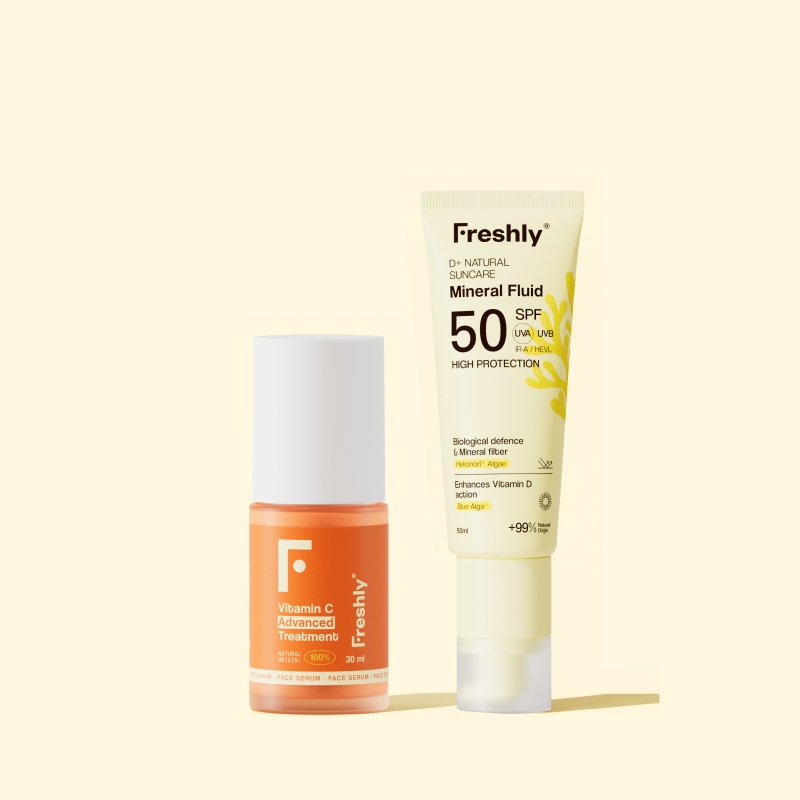
Protect, illuminate, and revitalise your skin every day with the most advanced natural technologies in photoprotection and antioxidation, free from chemical filters and harsh ingredients:
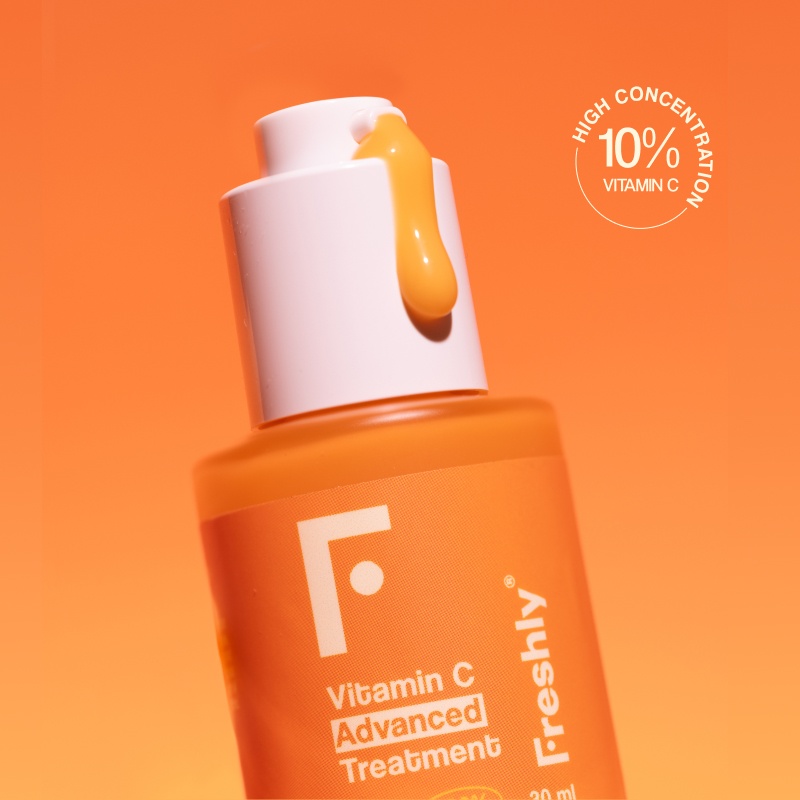
Advanced Vitamin C Treatment:
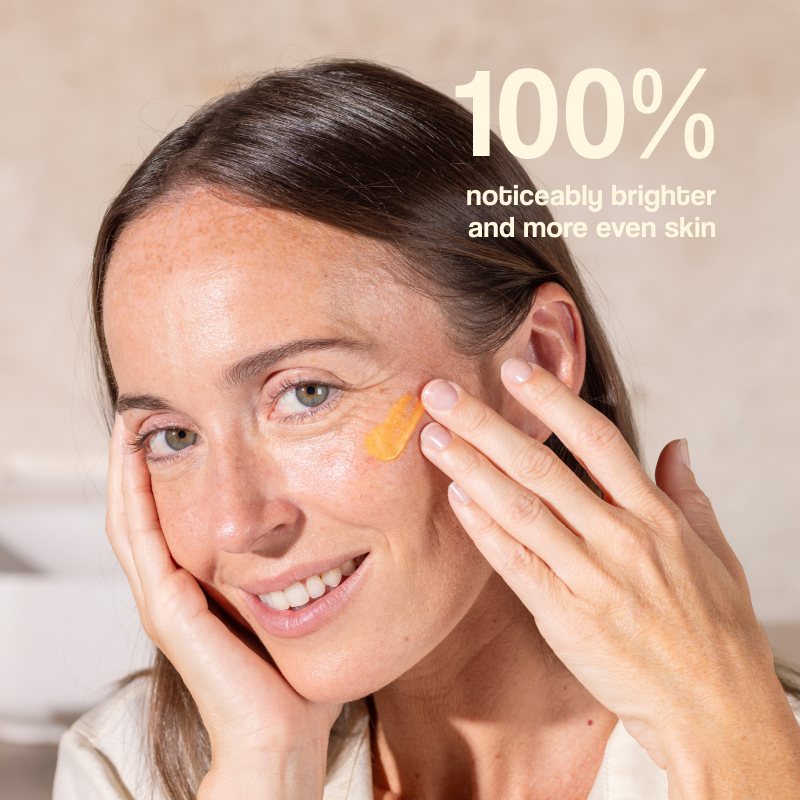
- Provides 15% more radiance to the skin
- Reduces skin roughness by 66%
- Prevents and reduces wrinkles by 28% in 42 days
- Improves collagen synthesis in the long term
- Antioxidant power 1,000 times superior to Coenzyme Q10
- Enhances antioxidant power through encapsulation technology
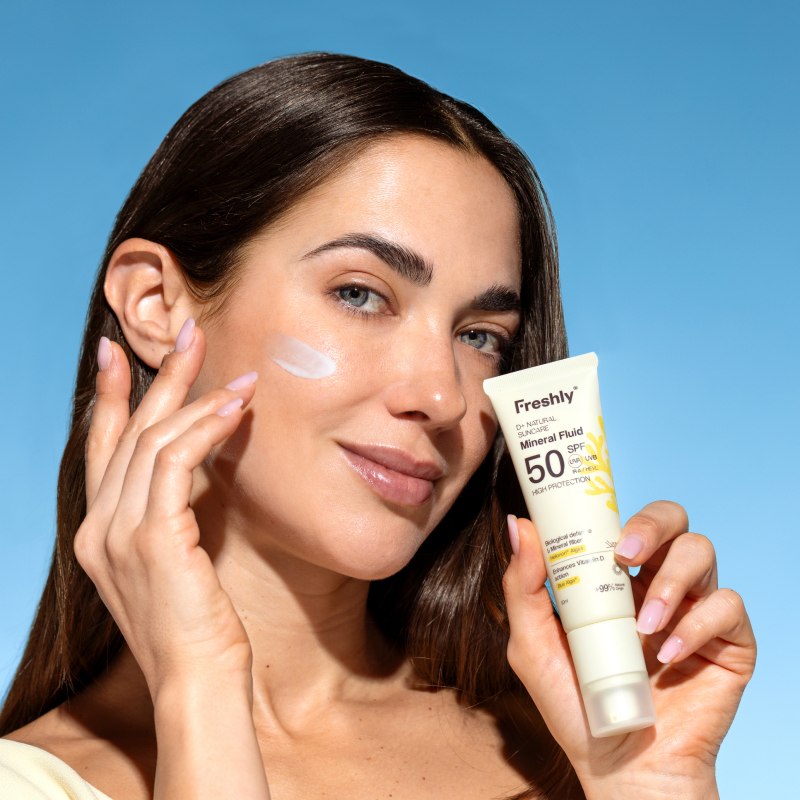
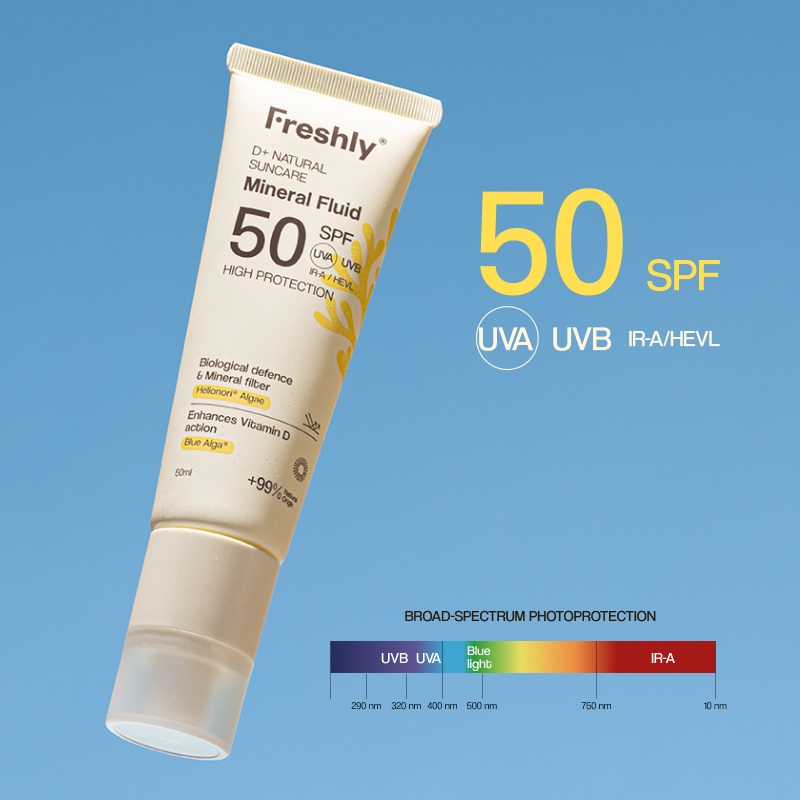
Facial Sunscreen SPF 50:
- High broad-spectrum protection (including blue light)
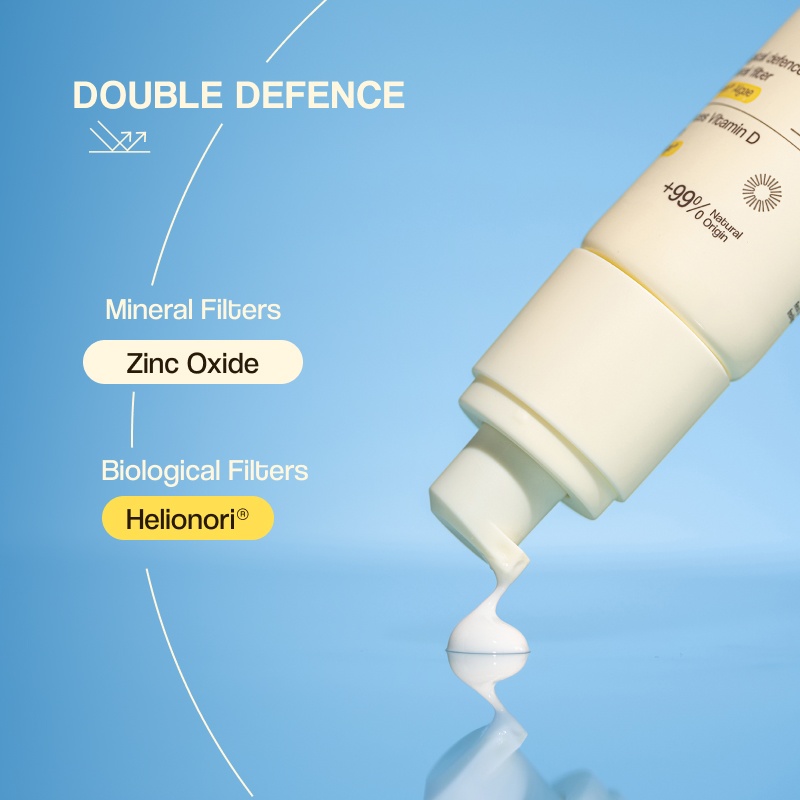
- Double defence: mineral (zinc oxide) and biological Helionori®
- Prevents cellular damage and reduces sun-induced spots
- Increases vitamin D absorption (+14%) with Blue Alga
- Boosts skin serotonin (+54%)
- Enhances hydration with a soothing sensation thanks to hyaluronic acid
- Strengthens the skin's natural defences
Triple dose of 100% natural vitamin C for your skin: on one hand, liposomal AA2G vitamin C –encapsulated– penetrates the deepest layers and is up to 20 times more effective; free AA2G vitamin C acts immediately on the surface, evening out skin tone and instantly boosting radiance; and Kakadu plum, with 100 times more vitamin C than an orange, stimulates collagen synthesis. All this combined with mineral and biological filters that protect your face from all solar radiation, including blue light. The ultimate routine to protect, illuminate, and strengthen your skin every day.
- 99% natural formulas
- Free from retinol, chemical filters, parabens, and synthetic fragrances
- Dermatologically tested on sensitive skin
- Suitable during pregnancy and breastfeeding
- Natural fragrance with Cosmos certification; free from endocrine disruptors, allergens and photosensitising ingredients
30 ml, 50 ml
-
Apply the advanced vitamin C treatment morning and night on completely clean and dry skin:
-
Shake the product well to mix its natural ingredients and homogenise it.
-
Apply 4 drops distributed between the forehead, cheeks, and chin.
-
Gently spread the product over the entire face, lightly massaging to allow the active ingredients to penetrate deeply and for the product to be fully absorbed.
-
We recommend continuing your routine with a moisturiser.
-
Then apply the sunscreen as the last step of your facial routine before sun exposure. It is advisable to use it every day of the year and reapply it every 2 hours if you remain exposed to the sun.
*Ingredients from organic farming
**Derived from natural essential oils

Extraction: Aloe Vera is a perennial plant native to warm climates. The gel contained in its leaves is commonly used in skin treatments due to its many beneficial properties.
Benefits: Known as an astringent, this plant also has moisturizing, regenerating, rejuvenating and antibacterial properties. These properties are perfect for revitalizing skin. It also functions as a deep cleansing agent, opening pores and eliminating toxins that cause the disruptions in the skin’s normal functioning. It also benefits the hair by restoring shine and helping to eliminate excess dandruff and scalp irritations. It is used especially effective for treating skin irritations, blemishes and acne.
Extraction: water is an element present in most cosmetic products and is the most important raw material. In the cosmetics industry, purified water is used in a process to eliminate any solid particle that may contain water in order to achieve a higher degree of purity and quality.
Benefits: water helps to cleanse the body. Hydrates and improves the effect of other active ingredients, provides softness and delays premature aging of the skin.
Sourcing: Ascorbyl glucoside is the result of the union of a sugar molecule (glucose) with a vitamin C molecule (ascorbic acid) by means of an enzymatic reaction, thus managing to protect the -OH group from oxidation. Obtained by a biotechnological process.
Benefits: It is a natural derivative of vitamin C, which has the same functions as ascorbic acid but without the disadvantages, it is a more stable molecule and is suitable for sensitive skin. It acts as a depigmenting antioxidant and promotes collagen synthesis to reduce wrinkles and expression lines.
Extraction: it is harvested from plants (soy or coconut oil for example) by hydrolysis of fats and by fermenting sugars. Glycerol is found naturally in skin and is considered a self-healing compound.
Benefits: it is one of the many substances in the skin that helps maintain the outer barrier and prevents dryness and peeling. It leaves skin feeling nourished and works to treat acne. It also prevents the accumulation of fat and improves the appearance of hair. Vegetable glycerin can be used as a diluent and as an alcohol substitute when preparing herbal extracts.
Extraction: natural pentylene glycol is obtained from renewable plant-based sources such as sugar cane or maize.
Benefits: commonly used in moisturising creams and lotions for its hydrating properties, which help retain moisture in the skin. It also has antibacterial and preservative effects, helping other active ingredients act better on the skin.
Extraction: arginine is an amino acid obtained by biofermentation. It is one of the main components of hair keratin. Acts as a source of nitrogen for proper cell function, generating a vasodilator effect that improves blood circulation.
Benefits: used in many formulas as a natural stabiliser, much safer than conventional alkaline agents, it is known for its effectiveness in fighting hair loss. It is biodegradable.
Extraction: tea is obtained by drying its leaves, then the active ingredient is extracted from the fermentation of these leaves. It is very rich in fatty acids and B vitamins.
Benefits: it reduces the roughness of the skin thanks to its lipo-filling effect, helping to fill wrinkles and expression lines. It also gives luminosity and vitality.
Extraction: a vegetable ingredient obtained from coconut.
Benefits: presents a high level of biocompatibility with skin and therefore has the ability to penetrate deep and help skin to repair itself. It acts as an emollient and provides skin with incredible softness.
Extraction: jojoba oil is extracted from the jojoba (Simmondsia chinensis) nut (seed). Actually, it functions more like a wax that is liquid at room temperature than an oil. 96% of its composition consists of ceramides.
Benefits: highly moisturizing and nourishing. Ceramides cover the cells of the epidermis and to help regulate and intensify hydration. They are very similar to human skin, which is why they are absorbed and act quickly and are not oily to the touch. Jojoba oil also contains linoleic acid which is a very effective at restructuring and regenerating natural skin. Its vitamin E content also helps to rejuvenate skin and provides defence against free radicals. In addition, it is ideal for oily and acne-prone skin because it absorbs accumulated sebum and helps minimise breakouts.
Extraction: corozo oil is extracted from the Elaeis oil palm. This ingredient is certified according to RSPO standards following the principles and criteria of sustainability in extraction.
Benefits: has emollient and anti-oxidant properties. It is rich in vitamins E and K. It also has calming and regenerating effects, making it a very versatile ingredient for skin treatment.
Extraction: this oil is col-pressed extracted from cotton seeds. The result is a light yellow oil, delicate and nice. This oil is gossypol-free and GMO-free.
Benefits: cotton seed oil adds a great nourishing to the skin. It’s a Vitamin E rich oil, with a high linoleic acid, palmitic acid, calcium, magnesium, phosphor and iron content, among others. That is why it’s a perfect oil, adding nourishing and softness to babies’ skin.
Extraction: the low molecular weight hyaluronic acid has plant-derived origins and is obtained by a biotechnological process. It is naturally found in the dermis of the skin, so the application of this acid on our skin will not irritate or damage it.
Benefits: works on the tight joints between cells. It protects the synthesis of collagen and elastin, and stimulates the vascularisation process to increase the supply of nutrients and oxygen to cells. This is reflected in a noticeable increase in the firmness of the skin, giving it a youthful and healthy appearance.
Extraction: organic hyaluronic acid of vegetable origin. It is found naturally in the skin so the application of this acid will not irritate or damage it.
Benefits: increases skin’s hydration and provides firmness and elasticity. Penetrates skin deep down with its anti-aging action.
Extraction: cranberries grow from a shrub half a meter in height that produces dark, bluish or reddish berries. It is classified as a super fruit for its high rich antioxidant and nutritional properties.
Benefits: cranberries nurture the skin and are rich in both vitamin B and C. It are also rich in antioxidant polyphenols that work to combat the oxidative damage caused by solar radiation. They are a powerful rejuvenator that reduces the appearance of wrinkles and also improves the formation of collagen.
Extraction: Kakadu plum is the richest plant-derived source in vitamin C that exists. It is originally from northern Australia and is about the size of an olive. Traditionally it was used as antiseptic and calming agent.
Benefits: this superfruit contains polyphenols and vitamin C, becoming a perfect instantaneous and long-lasting antioxidant. It acts on free radicals and oxidative stress. Facilitates and induces the transport and action of vitamin C and other antioxidants, helping to increase the synthesis of collagen and hyaluronic acid. It gives radiant, tonified and even skin.
Extraction: Bidens Pilosa is a species of the Asteraceae family, originating in South America. In cosmetics it is known for its action as bio-retinol.
Benefits: treats the effects of skin ageing and photoaging. It is also popularly used to treat acne and psoriasis. It provides skin calming, illuminating and sebum-regulating effects.
Extraction: extracted from the freshwater microalga Haematococcus pluvialis. It is the primary food source for flamingos, salmon and prawns, hence their characteristic reddish color.
Benefits: it is the most powerful antioxidant that exists in nature. It has antioxidant power 1,000 times stronger than that of Coenzyme Q10 and 65 times stronger than Vitamin C. This carotenoid is used for repairing skin damage and to prevent premature ageing. It is a natural anti-inflammatory, promotes hydration and protects against solar radiation.
Extraction: safflower is a herbaceous plant of the Asteraceae family. The oil obtained from the cold pressing of its seeds is used as food and natural colouring.
Benefits: it contains a high concentration of linoleic acid and vitamin K, which help to treat irritated or tired skin. It is a dry oil, which penetrates quickly into the skin, hydrating it without greasing it.
Extraction: it is a plant-derived oil extracted from flax seeds by a cold pressing process after being dried. It is very appreciated by experts for its skin care benefits.
Benefits: it has anti-inflammatory and softening properties, it reduces the appearance of expression lines and softens wrinkles. It is especially beneficial for dry skin and its high fatty acid content contributes to reduce redness and irritation caused by skin disorders. It is also used as an aromatic agent.
Sourcing: of plant origin, from sugar, this is an ester of stearic acid and sucrose.
Benefits: It is highly biocompatible with our skin, which is why it is able to penetrate. It acts as an emollient and provides skin with an incredible softness.
Obtención: El aceite de almendras está compuesto por grasas monoinsaturadas (grasas saludables que se encuentran en alimentos de plantas), ácido oleico y ácidos linoleicos (como el Omega 3 y 6). El color es casi transparente, con toques amarillos o dorados, no tiene un aroma muy fuerte.
Beneficios: Actúa como estimulante en la formación de colágeno y elastina dando firmeza y elasticidad a los tejidos. Mejora y previene las arrugas y las estrías, de ahí que el aceite de almendras sea recomendado en diversos tratamientos anti-celulitis. Es antiinflamatorio, reparador y cicatrizante, protege la barrea cutánea, frena el envejecimiento y protege de los rayos UV, contiene vitamina E.
Sourcing: vegetable, obtained from soya pods.
Benefits: lipids, very similar to those in the skin's lipid barrier, helps skin regeneration.
Extraction: natural polysaccharide of high natural weight derived from the fermentation of carbohydrates such as glucose or corn syrup.
Benefits: it is used as a binder, emulsion stabilizer and skin conditioning agent in a wide variety of cosmetics and personal care products. 1% of xanthan gum is used for cosmetic formulations.
Sourcing: of plant origin, from sugar, this is an ester of stearic acid and sucrose.
Benefits: It is highly biocompatible with our skin, which is why it is able to penetrate. It acts as an emollient and provides skin with an incredible softness.
Extraction: fatty alcohol obtained from coconut, therefore it is natural harvested.
Benefits: it is used as emollient, emulsifier, thickener and conductor for other ingredients in cosmetic solutions. It also works to allow the product more coverage and to be easily spread and blended into skin.
Extraction: Rice starch is a natural polymeric carbohydrate. It is the main component of rice, and is composed of amylose and amylopectin. When isolated from the rest of components, it comes in the form of a white powder.
Benefits: It is used as a natural alternative to talc. It has a very soft and pleasant touch, and absorbs the excess of sebum to achieve a matte finish. It helps to fix the makeup, which remains more time intact on skin.
Extraction: tocopherol or vitamin E, is naturally found in vegetable fats and oils, cereals, nuts and green and yellow leafy vegetables.
Benefits: it is used in cosmetics for its antioxidant properties and also acts as a skin conditioning agent. Reduces the appearance of stretch marks, helps improve skin tone, moisturizes and helps keep skin firm. For hair care, Holy Basil helps improve the blood circulation in the scalp which stimulates hair growth and helps to condition hair and provide shine.
Obtaining: Heptylglycerin is obtained from the combination of plant-derived glycerin with a seven-carbon lipid chain (heptyl). This union creates an ""amphiphilic"" molecule (with affinity for both water and oils), which is very useful for integrating homogeneously into emulsions and aqueous formulas.
Benefits: It provides a conditioning and softening effect, enhancing the feeling of comfort on the skin. Additionally, it helps to reinforce the formula's protection against microorganisms, acting as a support for the preservative system and contributing to keeping the product in good condition. It is particularly interesting in cleansing and moisturizing cosmetics due to its good balance between sensorial and functionality.
Sourcing: Natural, extracted from trees, seaweed or mushrooms.
Benefits: Moisturises, strengthens the skin barrier and regulates scalp desquamation.
Extraction: it is a polysaccharide composed of glucose monomers which are produced by the filamentous bacterium Sclerotium rolfssii via fermentation processes.
Benefit: it is a very versatile ingredient that improves the texture of cosmetic products. It is used as a thickening agent and has a gel texture. It also acts as a natural moisturizer and works to soften skin.
Extraction: gluconic acid ester obtained via bio-fermentation.
Benefits: a composed of multiple hydroxyl groups that attract water, leading to increased skin hydration. In other words, it acts as a humectant.
Obtaining: Natural perfume that combines the vibrant freshness of orange and peach with the sweet and youthful touch of bubblegum and melon. The warm vanilla at the base creates a soft and long-lasting fragrance, perfect for those seeking energy and sweetness in every use.
Benefits: Provides a refreshing and vibrant scent. This natural perfume is used in the Vitamin C Concentrate Serum.
Extraction: this is a polyglycerin ester consisting of an average of 10 units of lauric acid and glycerol.
Benefits: it is used as an emulsifier, surfactant and skin conditioner. It also serves as a solubiliser of perfumes and essential oils.
Extraction: citric acid is a weak organic acid found in fruits such as lemons and oranges. Lemon juice contains approximately 5-8% citric acid.
Benefits: citric acid and its salts: Diammonium, Potassium and Sodium help to preserve cosmetics since they are metal chelating agents. Citric acid and its salts are also added to cosmetics to help regulate the acid / base levels. Functions as a powerful antioxidant and helps to regulate and maintain skin’s hydration and elasticity.
Extraction: benzoic acid salt that is naturally found in blueberries, prunes, cinnamon and apple.
Benefits: it is used as a cosmetic preservative to prevent the growth and proliferation of fungi and bacteria in the products.
Extraction: is the potassium salt of sorbic acid that occurs naturally in mountain berries (Sorbus aucuparia).
Benefits: acts as a preservative, protecting cosmetics from deterioration by preventing or delaying the growth and reproduction of microorganisms. This compound is easily metabolized by the body and produces water and CO2, therefore it is completely harmless.
Sourcing: This salt is obtained from citric acid, an acid mainly found in citrus fruits such as orange and lemon.
Benefits: It helps to stabilise the pH of the formulation.
Extraction: Manufactured by fermentation of glucose syrup derived from the corn renewable raw material.
Benefits: It is a chelating agent that inactivates metal ions to prevent deterioration of cosmetic products
Extraction: sodium chloride is obtained from the mineral halite and is commonly known as table salt. It is a mineral essential for all biological organisms and is found in most tissues and body fluids.
Benefits: it is used to give flavour and to thicken the aqueous portion of beauty care products.
Extraction: Calcium salt from gluconic acid.
Benefits: It is used as a skin humectant and conditioning agent in cosmetic formulations.
Obtaining: it is obtained from the peel of the fruit of the Citrus aurantium tree, also known as the bitter orange tree, typical of Mediterranean countries.
Benefits: this essential oil is used in perfumes for its fresh and citrusy aroma, and is common in skincare and aromatherapy for its calming and relaxing properties.
Obtaining: Terpineol is an organic compound from the monoterpene family, naturally found in essential oils of various plants, such as pine, lavender, eucalyptus, and orange.
Benefits: It is known for its pleasant floral and slightly citrus aroma, and it has relaxing, antioxidant, and antimicrobial properties.
Extraction: monoterpene with floral aroma and a touch of menthol. This natural fragrance, is sweet and smooth. It is produced by a wide variety of plants such as mint, cinnamon, citrus fruits and birch trees.
Benefits: widely used to make fragrances and flavors. It is a main component of many essential oils.
Extraction: it is a monoterpene of natural origin that is found in many citrus fruits such as lemon. It is a colorless liquid with a light, fresh and sweet citrus aroma.
Benefits: widely used to make fragrances and flavors. It is a main component of many essential oils.
Obtaining: Vanillin is an aromatic organic compound that is responsible for the characteristic flavor and aroma of vanilla. It is naturally found in the pods of the vanilla plant.
Benefits: It is used in the production of fragrances and cosmetic products due to its pleasant aroma and antioxidant properties.
Extraction: water is an element present in most cosmetic products and is the most important raw material. In the cosmetics industry, purified water is used in a process to eliminate any solid particle that may contain water in order to achieve a higher degree of purity and quality.
Benefits: water helps to cleanse the body. Hydrates and improves the effect of other active ingredients, provides softness and delays premature aging of the skin.
Extraction: it is naturally extracted from the zincite, a mineral that contains 80% zinc oxide.
Benefits: zinc oxide is a natural motionless mineral that acts as a solar protector reflecting and scattering radiations. It acts on the skin in a superficial way as a mirror, adding an effective barrier against sun rays. Its protection power is highly effective against UVA radiations, visible lighting and IR.
It also adds benefits as seborgulator, improving oily skins and lowering acne chances, spots and reducing skin irritation and inflammation.
Obtaining:
It's a plant-based ester obtained by combining fatty alcohols from coconut with medium-chain fatty acids (caprylic, and often capric), usually derived from vegetable oils. The result is a very stable and lightweight ingredient, designed to provide a silky feel without a greasy sensation.
Benefits:
It functions as a ""silk effect"" emollient and is a classic in natural formulations because it helps achieve a very cosmetic sensory experience: it leaves the skin soft, flexible, and with a satin finish, improving the spreadability of creams and oils without heaviness. In hair products, it adds shine and softness, reduces the feeling of roughness, and helps the hair feel more ""polished"" without resorting to silicones, making it a popular natural alternative for achieving smoother application and a more pleasant feel.
Obtaining:
It is an ester obtained by esterification of adipic acid with butanol, resulting in a very stable oily liquid with low viscosity. In cosmetics, it is used as a ""light oil"" in formulations due to its excellent sensory properties and compatibility with many systems.
Benefits:
It acts as an emollient and sensory agent: it provides a soft, silky, and highly gliding feel, improves spreadability, and helps reduce the sticky sensation of some formulas, leaving a drier and more elegant finish. It is commonly found in sun care and body products because it can enhance application and the ""after-feel,"" and generally helps the formula feel more cosmetic and comfortable on the skin."
Obtaining:
It is an ester obtained by combining polyglycerin-6 (derived from glycerin, of vegetable origin) with stearic acid (a fatty acid found in vegetable oils and fats). The result is a non-ionic ingredient, widely used in ""natural"" formulations due to its good tolerance profile and versatility.
Benefits:
It primarily functions as an emulsifier and co-emulsifier in oil-in-water emulsions, helping to create creamy, smooth, and stable textures with a pleasant sensorial feel that is less ""waxy"" than other systems. It improves spreadability, provides a feeling of comfort, and can contribute to a silkier skin without leaving a heavy film.
Extraction: It is obtained through the polyesterification of ricinoleic acid, derived from castor oil.
Benefits: It enhances the stability of cosmetic emulsions, acts as an emulsifier and dispersing agent, providing smooth textures, improving the absorption of active ingredients, and increasing the efficacy of lipophilic formulations."
Obtaining:
It is a triglyceride (triester of glycerin) formed by three molecules of heptanoic acid attached to a glycerol backbone. In cosmetics, it is used as a light and very stable oil/ester, valued for its good compatibility in emulsions and oily systems.
Benefits:
On the skin, it primarily acts as an emollient and ""skin conditioning"": it improves softness and a silky feel, helps with spreadability (allowing the cream/oil to glide and distribute better) and can help reduce water loss through evaporation by forming a light film (supporting surface hydration). Additionally, it is used as a component of the oil phase to optimize texture and, in some formulas, as a vehicle/solvent for liposoluble ingredients, enhancing the sensorial experience without leaving a heavy greasy finish.
Extraction: esterified glycerin with a mixture of citric, lactic, linoleic and oleic acid. This ingredient is of vegetable origin.
Benefits: acts as a lubricant on the skin’s surface to give it a soft, smooth appearance. It also slows down water loss by forming a protective barrier. Furthermore, in terms of formulation, it helps to form oil-water emulsions by reducing the surface tension of the substances present.
Extraction: it is harvested from plants (soy or coconut oil for example) by hydrolysis of fats and by fermenting sugars. Glycerol is found naturally in skin and is considered a self-healing compound.
Benefits: it is one of the many substances in the skin that helps maintain the outer barrier and prevents dryness and peeling. It leaves skin feeling nourished and works to treat acne. It also prevents the accumulation of fat and improves the appearance of hair. Vegetable glycerin can be used as a diluent and as an alcohol substitute when preparing herbal extracts.
Extraction: alpha-bisabolol is a natural monocyclic sesquiterpene alcohol, originally from Brazil, found in plants such as chamomile or candeia argol.
Benefits: it is a powerful skin calming agent, which minimises redness induced by UV rays and also protects against other external aggressions and environmental stress. This natural active ingredient counteracts premature ageing. It is a great agent to fight inflammations and irritations of the most sensitive skins.
Extraction: this seaweed is one of the great riches of the Menor Sea. It contains the highest levels of protein and amino acids of its species. In addition, it has a high concentration of mycosporin-type amino acids, due to its great exposure to the sun's rays.
Benefits: improves the structure of the hair, considerably increasing the elasticity and resistance of hair fibers. It also provides protection against external aggressions, dehydration and frizz.
Obtaining:
This is an extract obtained from the seeds of Pongamia pinnata (Indian beech/Karanja). These types of extracts contain lipid fractions and characteristic compounds of the seed, such as pongamol and karanjin, which are part of the plant's phytochemical profile.
Benefits:
In cosmetics, it is mainly used for its antioxidant activity from Pongamia pinnata seed extracts, which aligns with its use as support against oxidative stress. It also supports UV protection/SPF boosting due to its content of certain seed compounds.
Extraction: cranberries grow from a shrub half a meter in height that produces dark, bluish or reddish berries. It is classified as a super fruit for its high rich antioxidant and nutritional properties.
Benefits: cranberries nurture the skin and are rich in both vitamin B and C. It are also rich in antioxidant polyphenols that work to combat the oxidative damage caused by solar radiation. They are a powerful rejuvenator that reduces the appearance of wrinkles and also improves the formation of collagen.
Extraction: organic hyaluronic acid of vegetable origin. It is found naturally in the skin so the application of this acid will not irritate or damage it.
Benefits: increases skin’s hydration and provides firmness and elasticity. Penetrates skin deep down with its anti-aging action.
Sourcing: The extract is obtained from Cystoseira seaweed. It’s native to the Mediterranean and mainly inhabits rocky substrates exposed to the sun and waves.
Benefits: It reduces excess melanin production and slows down the maturation of melanosomes to keep them from malfunctioning.
Obtaining: this extract is obtained from the root of the licorice plant. It is cultivated in many countries and has been used since ancient times as a condiment for its sweet-sour aniseed flavor.
Benefits: it contains saponins, flavonoids, coumarins and triterpenoids. It has immunostimulating, anti-inflammatory, antimicrobial and antioxidant properties. Protects against ageing and photoageing and has antiseptic properties.
Extraction: Lotus has always had special significance, even in ancient times. This flower, characteristic of the Nile, was appreciated by the pharaohs of Ancient Egypt. Later, it was taken to Syria and from there, its cultivation was transferred to India and China. It is widely used in traditional Ayurveda and Siddha medicine for the treatment of inflammations, and is also an aphrodisiac and a tonic.
Benefits: This lotus species is among of many variants of lotus and shares active properties with other and lotus extracts from Egypt. Its action inhibits the production of leptin, effectively reducing sebaceous hypersecretion. This is done by reducing the reducing the molecules involved in the sebum and inflammatory formation processes It reduces the amount of lipids present in sebum which are responsible for inflammation and acne. As a result, unwanted shine is decreased by 15%, imperfections by 41%, and fat synthesis by 44%.
Obtaining:
It is a polymer/oligomer derived from hydroxystearic acid (very often 12-hydroxystearic acid), which can be obtained from fat materials of vegetable origin, classically related to castor oil derivatives. Through polymerization/condensation processes, this ""longer"" molecule is obtained, with great affinity for oily phases and mineral powder surfaces.
Benefits:
In cosmetic formulation, it is mainly used as a dispersant and stabilizer of pigments and mineral filters: it helps to better wet and disperse powders such as titanium dioxide or zinc oxide in the oil phase, reducing clumping and improving application uniformity. This usually results in smoother and silkier textures, with better glide, and in mineral sunscreens, it can help reduce the ""paste"" feeling and optimize the finish (less drag/whitening, depending on the formula). Additionally, it contributes to the stability of anhydrous systems and emulsions with a high particle load, providing a more cosmetic sensory experience and better spreadability.
Sourcing: Polyglyceryl-6 Behenate is obtained by esterifying vegetable behenic acid, derived from oils such as moringa, with naturally sourced polyglycerin.
Benefits: It acts as a gentle emulsifier, improving the stability and texture of cosmetics. It hydrates without a greasy feel, making it ideal for sensitive skin. It facilitates the absorption of active ingredients and contributes to eco-friendly and biodegradable formulas, being a natural alternative to synthetic emulsifiers in skincare products.
Extraction: mixture of cetyl and stearic alcohols that are produced naturally in plants.
Benefits: these alcohols have the ability to prevent emulsions from separating between their oily and watery parts. These ingredients are also used to alter the thickness of liquid products, to increase foam capacity or to stabilize them.
Extraction: this ingredient is derived from glycerin and stearic acid, a fatty acid obtained from vegetable oils. It is found naturally in the human body so it will not damage skin.
Benefits: acts as a lubricant on the skin’s surface to give it a soft, smooth and light appearance. It also slows down water loss by forming a protective barrier and protects skin against the damage caused by free radicals. Furthermore, in terms of formulation, it helps to stabilize oil-water emulsions by reducing the surface tension of the substances present.
Extraction: natural ester of vegetable origin of glycerin and caprylic acid.
Benefits: acts as an emulsion stabilizer and a moisturizing agent.
Extraction: natural polysaccharide of high natural weight derived from the fermentation of carbohydrates such as glucose or corn syrup.
Benefits: it is used as a binder, emulsion stabilizer and skin conditioning agent in a wide variety of cosmetics and personal care products. 1% of xanthan gum is used for cosmetic formulations.
Obtainment: This ingredient is found naturally in the anise, an herb of the Apiaceae family native to South-West Asia and the eastern Mediterranean basin, and therefore, it is 100% plant-based.
Benefits: It is an innovative natural preservative, acts as a flavouring agent, preservative and and masks unpleasant odours.
Extraction: tocopherol or vitamin E, is naturally found in vegetable fats and oils, cereals, nuts and green and yellow leafy vegetables.
Benefits: it is used in cosmetics for its antioxidant properties and also acts as a skin conditioning agent. Reduces the appearance of stretch marks, helps improve skin tone, moisturizes and helps keep skin firm. For hair care, Holy Basil helps improve the blood circulation in the scalp which stimulates hair growth and helps to condition hair and provide shine.
Floral aldehydic perfume of natural origin, obtained from natural raw materials through extraction and distillation processes for cosmetic use. Its bright opening of neroli, verbena, and aldehydes provides a clean and sophisticated sensation; in the heart, orange blossom, lilac, and jasmine bloom, enveloping the skin in delicate and feminine elegance. In the base, notes of hawthorn, violet, and talc leave a soft, powdery, and comforting veil that conveys freshness, care, and distinction.
Extraction: benzoic acid salt that is naturally found in blueberries, prunes, cinnamon and apple.
Benefits: it is used as a cosmetic preservative to prevent the growth and proliferation of fungi and bacteria in the products.
Extraction: is the potassium salt of sorbic acid that occurs naturally in mountain berries (Sorbus aucuparia).
Benefits: acts as a preservative, protecting cosmetics from deterioration by preventing or delaying the growth and reproduction of microorganisms. This compound is easily metabolized by the body and produces water and CO2, therefore it is completely harmless.
Extraction: Calcium salt from gluconic acid.
Benefits: It is used as a skin humectant and conditioning agent in cosmetic formulations.
Extraction: gluconic acid ester obtained via bio-fermentation.
Benefits: a composed of multiple hydroxyl groups that attract water, leading to increased skin hydration. In other words, it acts as a humectant.
Extraction: citric acid is a weak organic acid found in fruits such as lemons and oranges. Lemon juice contains approximately 5-8% citric acid.
Benefits: citric acid and its salts: Diammonium, Potassium and Sodium help to preserve cosmetics since they are metal chelating agents. Citric acid and its salts are also added to cosmetics to help regulate the acid / base levels. Functions as a powerful antioxidant and helps to regulate and maintain skin’s hydration and elasticity.
 4.6
4.6

Thousands of people discover Freshly thanks to reviews like yours. Also, share your experience on Trustpilot and help us grow together.
SHARE ON TRUSTPILOTReviews like yours help us improve every day. Our team will review your case to assist you.
⚠️ The comment could not be added.
Siero poi fantastico
Ottima la crema solare! Non è pesante, non unge.
How can I use it?
NULLNatural actives with proven efficacy
INCI (Ingredients List)
Advanced Antiox Suncare Routine
*Ingredients from organic farming
**Derived from natural essential oils
INCI (Ingredients List) Vitamin C Advanced Treatment:
Aloe Barbadensis Leaf Juice * , Aqua , Ascorbyl Glucoside , Glycerin , Pentylene Glycol , Arginine , Saccharomyces/Xylinum/Black Tea Ferment , Coco-Caprylate/Caprate , Simmondsia Chinensis Seed Oil * , Elaeis Guineensis Oil , Gossypium Herbaceum Seed Oil , Hydrolyzed Hyaluronic Acid , Sodium Hyaluronate , Vaccinium Vitis-Idaea Fruit Extract , Terminalia Ferdinandiana Fruit Extract , Bidens Pilosa Extract , Astaxanthin , Carthamus Tinctorius Seed Oil , Linum Usitassimum Seed Oil , Sucrose Stearate , Prunus Amygdalus Dulcis Oil , Phosphatidylcholine , Xanthan Gum , Sucrose Distearate , Cetyl Alcohol , Oryza Sativa Starch , Tocopherol , Heptylglycerin , Mannitol , Sclerotium Gum , Gluconolactone , Parfum , Polyglyceryl-10 Laurate , Citric acid , Sodium Benzoate , Potassium Sorbate , Sodium Citrate , Sodium Gluconate , Sodium Chloride , Calcium Gluconate , Citrus Aurantium Peel Oil , Terpineol ** , Linalool ** , Limonene ** , Vanillin
INCI (Ingredients List) D+ Natural Suncare Mineral Fluid:
Aqua , Zinc Oxide , COCO-CAPRYLATE , Dibutyl Adipate , POLYGLYCERYL-6 STEARATE , Polyricinoleic Acid , Triheptanoin , Glyceryl Citrate/Lactate/Linoleate/Oleate , Glycerin , Bisabolol , Porphyra Umbilicalis Extract , Pongamia Pinnata Seed Extract , Vaccinium Vitis-Idaea Fruit Extract , Sodium Hyaluronate , Cystoseira Tamariscifolia Extract , Glycyrrhiza Glabra Root Extract * , Nelumbo Nucifera Flower Extract , POLYHYDROXYSTEARIC ACID , Polyglyceryl-6 Behenate , Cetearyl Alcohol , Glyceryl Stearate , Glyceryl Caprylate , Xanthan Gum , p-Anisic Acid , Tocopherol , Parfum , Sodium Benzoate , Potassium Sorbate , Calcium Gluconate , Gluconolactone , Citric acid
At Freshly, we're constantly innovating and improving our formulas. That’s why the list of ingredients is updated regularly and may differ slightly from the label on the product depending on the time of purchase.
What don’t we include and why?
Thousands of ingredients are left out of our formulas: parabens, silicones, sulfates, phthalates, plastic particles… Start a routine free from irritants, pollutants, animal-derived ingredients, or anything associated with adverse effects. We only include nutrients that bring real value to your skin's health.