





close
(0 items)
|
TOTAL
Shipping
30,00 €

[2][/2] has been added to your wishlist. See your wishlist
[2][/2] has been removed from your wishlist. See your wishlist
close
Log in
close
Join the Freshly Club
- Exclusive discounts and gifts
- Order tracking
- Free returns management
- 100% free registration
close


 You'll receive your order between tomorrow and Friday 02/10
Tan-Enhancing Sunscreen
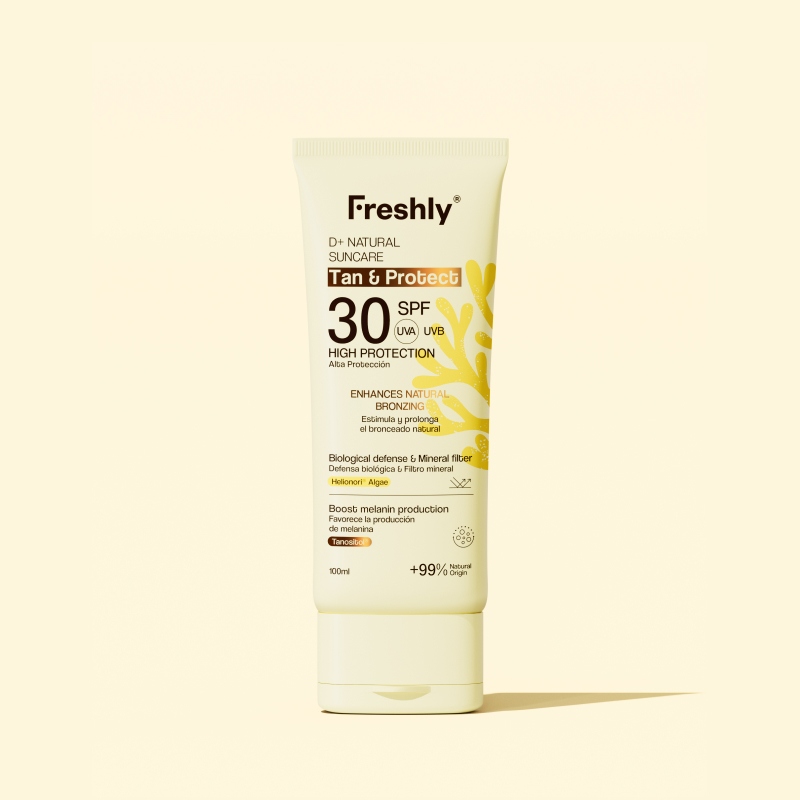
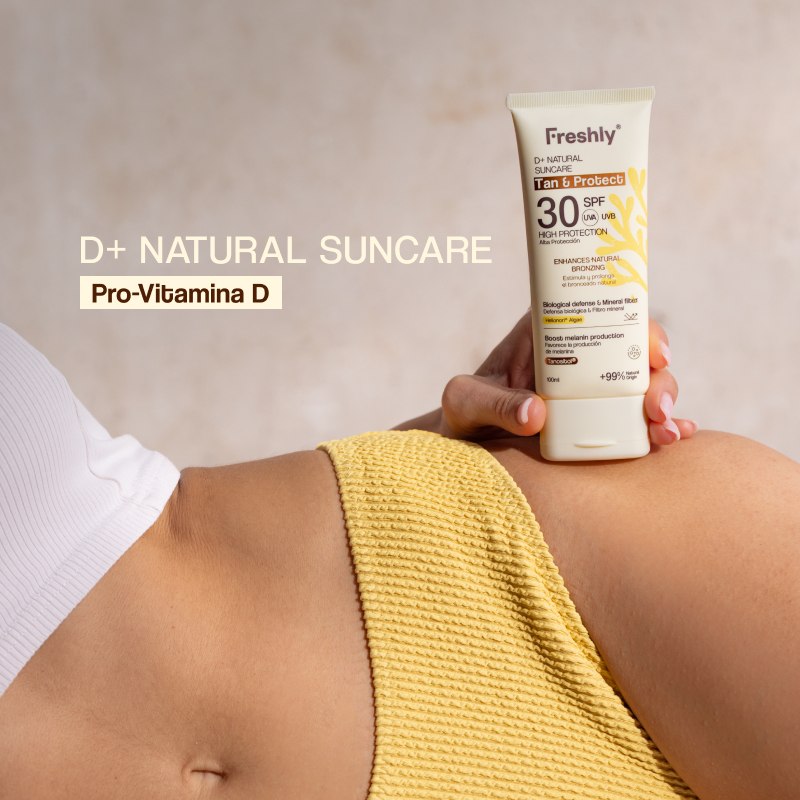
D+ Natural Suncare Tan & Protect SPF 30
29,95 €
0ml
·

see
25
reviews
Mineral Protection SPF 30 | Boosts Tanning | Pro Vitamin D
Protect your skin from solar radiation with a 99% natural sunscreen, free from endocrine disruptors and nanoparticles, while activating your tan. In addition to offering SPF 30 protection with mineral and biological filters, this formula stimulates the function of melanocytes – the cells that produce melanin – through Tanositol™. This accelerates, prolongs, and intensifies a natural and even tan. Furthermore, it enhances vitamin D absorption with the patented technology Blue Alga.
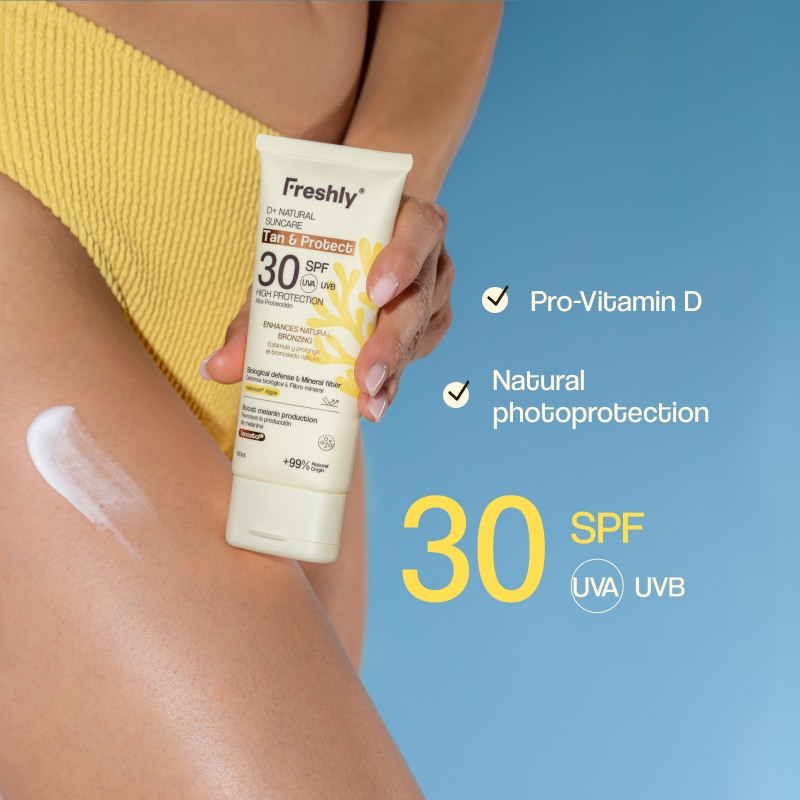
- High protection SPF 30 against UVA and UVB radiation
- Activates, intensifies, and prolongs the tan
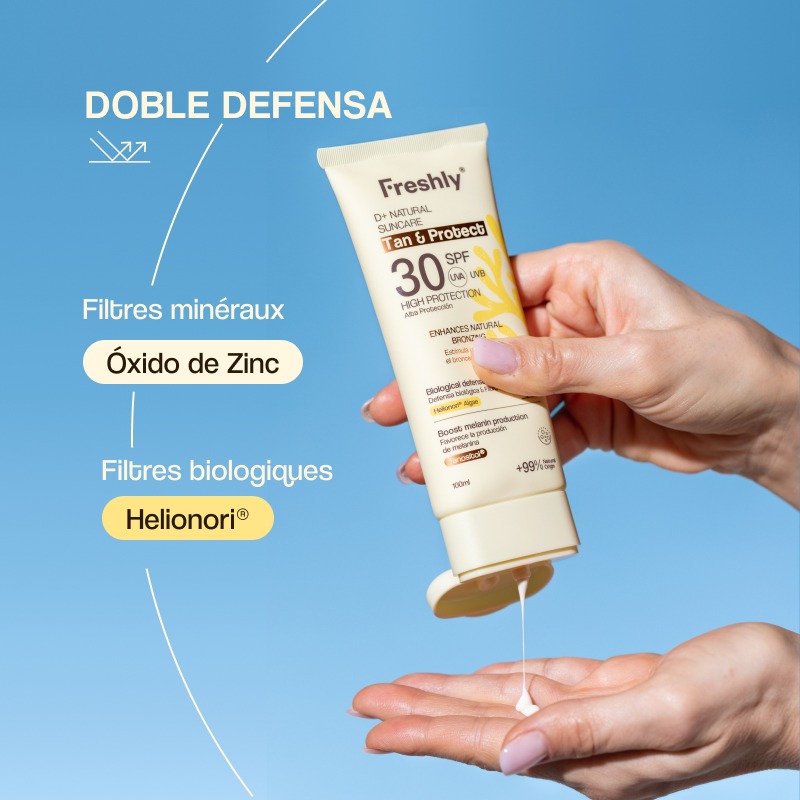
- Mineral and biological filters
- Enhances vitamin D absorption with Blue Alga
- Moisturises and protects cellular DNA with Bisabolol
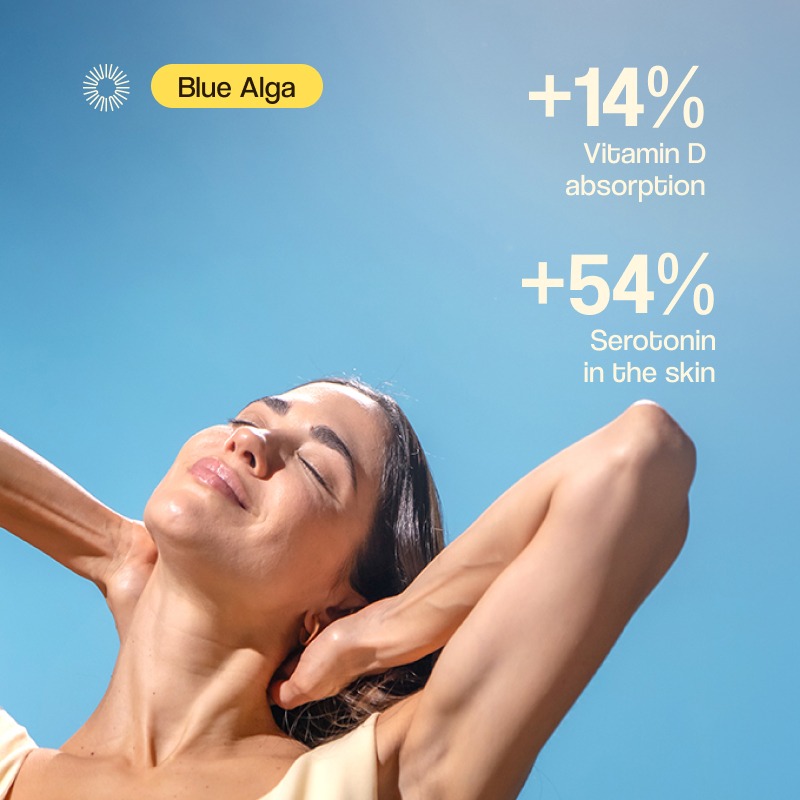
How is vitamin D reception enhanced? The Blue Alga complex can interact with the VDRs – the vitamin D receptors in the skin – increasing them (+14%) and making them more efficient. Thus, Blue Alga enhances the skin's ability to respond to the available vitamin D. These biological mechanisms indirectly increase skin serotonin by 54%, providing well-being and balance. Thanks to this technology, D+ Natural Suncare strengthens three skin barriers: the physical, the immunological, and the neurosensory (reducing itching and increasing comfort).
- 99% natural formula
- Fluid texture and fast absorption, no white residue
- Free from chemical filters like oxybenzone or benzophenones, and titanium dioxide
- Suitable for daily use, during pregnancy and breastfeeding
- Dermatologically tested on sensitive and atopic skin
- Biodegradable and respectful of marine ecosystems
- Natural fragrance with Cosmos certification; free from endocrine disruptors, allergens and photosensitising ingredients
-
Shake and apply before sun exposure, and reapply every 2 hours or after sweating, swimming, or towel drying.
-
Apply a generous amount all over the body; remember that reducing this amount decreases the level of protection.
-
Bisabolol™Protects against external aggressions, and reduces inflammation, irritation, and redness caused by UV radiation, providing calm and comfort to the skin.
-
Blue Alga (Patented)Increases the skin's vitamin D receptors (VDR) by up to 14% and enhances its sensitivity to healthy sunlight. Thus, it boosts the skin's serotonin by up to 54%, providing well-being and balance. Strengthens the skin's three barriers: the physical, immunological, and neurosensory.
-
Helionori®Protects against UVA rays and safeguards cellular DNA by inhibiting UVA-induced breaks in the DNA chain of melanocytes. It achieves this thanks to MMAs: molecules used by seaweed to protect themselves from solar radiation. Thus, it helps enhance the benefits of healthy sunlight.
-
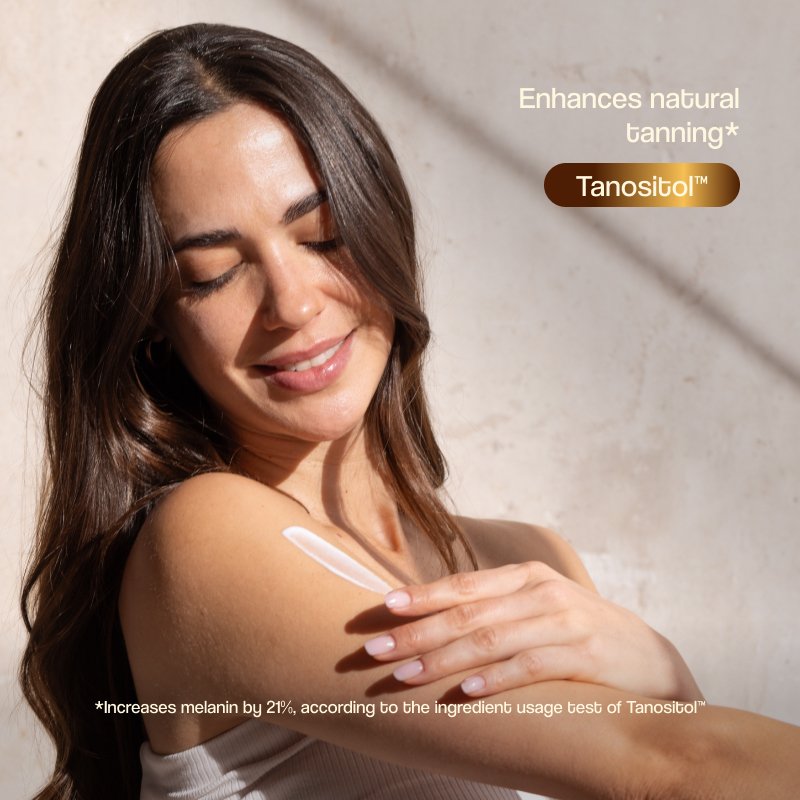
Tanositol™Activates, intensifies, and prolongs tanning. To do this, it stimulates the functioning of melanocytes, increasing melanin by 21% to achieve a natural and even tan.
D+ Natural Suncare Tan & Protect SPF 30
*Ingredients from organic farming
**Derived from natural essential oils
,
,
,
,
,
,
,
,
,
,
,
,
,
,
,
,
,
,
,
,
,
,
,
,
,
,
close
WATER
Extraction: water is an element present in most cosmetic products and is the most important raw material. In the cosmetics industry, purified water is used in a process to eliminate any solid particle that may contain water in order to achieve a higher degree of purity and quality.
Benefits: water helps to cleanse the body. Hydrates and improves the effect of other active ingredients, provides softness and delays premature aging of the skin.
close
ZINC OXIDE
Extraction: it is naturally extracted from the zincite, a mineral that contains 80% zinc oxide.
Benefits: zinc oxide is a natural motionless mineral that acts as a solar protector reflecting and scattering radiations. It acts on the skin in a superficial way as a mirror, adding an effective barrier against sun rays. Its protection power is highly effective against UVA radiations, visible lighting and IR.
It also adds benefits as seborgulator, improving oily skins and lowering acne chances, spots and reducing skin irritation and inflammation.
close
COCO-CAPRYLATE / CAPRATE
Extraction: a vegetable ingredient obtained from coconut.
Benefits: presents a high level of biocompatibility with skin and therefore has the ability to penetrate deep and help skin to repair itself. It acts as an emollient and provides skin with incredible softness.
close
DIBUTYL ADIPATE
Obtaining:
It is an ester obtained by esterification of adipic acid with butanol, resulting in a very stable oily liquid with low viscosity. In cosmetics, it is used as a ""light oil"" in formulations due to its excellent sensory properties and compatibility with many systems.
Benefits:
It acts as an emollient and sensory agent: it provides a soft, silky, and highly gliding feel, improves spreadability, and helps reduce the sticky sensation of some formulas, leaving a drier and more elegant finish. It is commonly found in sun care and body products because it can enhance application and the ""after-feel,"" and generally helps the formula feel more cosmetic and comfortable on the skin."
close
VEGETABLE GLYCERIN
Extraction: it is harvested from plants (soy or coconut oil for example) by hydrolysis of fats and by fermenting sugars. Glycerol is found naturally in skin and is considered a self-healing compound.
Benefits: it is one of the many substances in the skin that helps maintain the outer barrier and prevents dryness and peeling. It leaves skin feeling nourished and works to treat acne. It also prevents the accumulation of fat and improves the appearance of hair. Vegetable glycerin can be used as a diluent and as an alcohol substitute when preparing herbal extracts.
close
POLYGLYCERYL-6 STEARATE
Obtaining:
It is an ester obtained by combining polyglycerin-6 (derived from glycerin, of vegetable origin) with stearic acid (a fatty acid found in vegetable oils and fats). The result is a non-ionic ingredient, widely used in ""natural"" formulations due to its good tolerance profile and versatility.
Benefits:
It primarily functions as an emulsifier and co-emulsifier in oil-in-water emulsions, helping to create creamy, smooth, and stable textures with a pleasant sensorial feel that is less ""waxy"" than other systems. It improves spreadability, provides a feeling of comfort, and can contribute to a silkier skin without leaving a heavy film.
close
POLYRICINOLEIC ACID
Extraction: It is obtained through the polyesterification of ricinoleic acid, derived from castor oil.
Benefits: It enhances the stability of cosmetic emulsions, acts as an emulsifier and dispersing agent, providing smooth textures, improving the absorption of active ingredients, and increasing the efficacy of lipophilic formulations."
close
COCO-CAPRYLATE
Obtaining:
It's a plant-based ester obtained by combining fatty alcohols from coconut with medium-chain fatty acids (caprylic, and often capric), usually derived from vegetable oils. The result is a very stable and lightweight ingredient, designed to provide a silky feel without a greasy sensation.
Benefits:
It functions as a ""silk effect"" emollient and is a classic in natural formulations because it helps achieve a very cosmetic sensory experience: it leaves the skin soft, flexible, and with a satin finish, improving the spreadability of creams and oils without heaviness. In hair products, it adds shine and softness, reduces the feeling of roughness, and helps the hair feel more ""polished"" without resorting to silicones, making it a popular natural alternative for achieving smoother application and a more pleasant feel.
close
TRIHEPTANOIN
Obtaining:
It is a triglyceride (triester of glycerin) formed by three molecules of heptanoic acid attached to a glycerol backbone. In cosmetics, it is used as a light and very stable oil/ester, valued for its good compatibility in emulsions and oily systems.
Benefits:
On the skin, it primarily acts as an emollient and ""skin conditioning"": it improves softness and a silky feel, helps with spreadability (allowing the cream/oil to glide and distribute better) and can help reduce water loss through evaporation by forming a light film (supporting surface hydration). Additionally, it is used as a component of the oil phase to optimize texture and, in some formulas, as a vehicle/solvent for liposoluble ingredients, enhancing the sensorial experience without leaving a heavy greasy finish.
close
POLYHYDROXYSTEARIC ACID
Obtaining:
It is a polymer/oligomer derived from hydroxystearic acid (very often 12-hydroxystearic acid), which can be obtained from fat materials of vegetable origin, classically related to castor oil derivatives. Through polymerization/condensation processes, this ""longer"" molecule is obtained, with great affinity for oily phases and mineral powder surfaces.
Benefits:
In cosmetic formulation, it is mainly used as a dispersant and stabilizer of pigments and mineral filters: it helps to better wet and disperse powders such as titanium dioxide or zinc oxide in the oil phase, reducing clumping and improving application uniformity. This usually results in smoother and silkier textures, with better glide, and in mineral sunscreens, it can help reduce the ""paste"" feeling and optimize the finish (less drag/whitening, depending on the formula). Additionally, it contributes to the stability of anhydrous systems and emulsions with a high particle load, providing a more cosmetic sensory experience and better spreadability.
close
INOSITOL
Extraction: It is obtained from carob pulp. Fruit of Ceratonia siliqua L., an evergreen tree growning in warm Mediterranean regions with calcareous soils and subspontaneous in dry and stony places not far from the sea.
Benefits: It is a low molecular weight molecule, with a structure close to glucose and which is involved in numerous cellular processes. When inositol comes into contact with a melanocyte, this active stimulates melanin production by increasing the synthesis of the main second messenger of melanin generation, DAG. Stimulating the natural tanning process of the skin.
close
ALGA NORI
Extraction: this seaweed is one of the great riches of the Menor Sea. It contains the highest levels of protein and amino acids of its species. In addition, it has a high concentration of mycosporin-type amino acids, due to its great exposure to the sun's rays.
Benefits: improves the structure of the hair, considerably increasing the elasticity and resistance of hair fibers. It also provides protection against external aggressions, dehydration and frizz.
close
CYSTOSEIRA SEAWEED
Sourcing: The extract is obtained from Cystoseira seaweed. It’s native to the Mediterranean and mainly inhabits rocky substrates exposed to the sun and waves.
Benefits: It reduces excess melanin production and slows down the maturation of melanosomes to keep them from malfunctioning.
close
PONGAMIA EXTRACT
Obtaining:
This is an extract obtained from the seeds of Pongamia pinnata (Indian beech/Karanja). These types of extracts contain lipid fractions and characteristic compounds of the seed, such as pongamol and karanjin, which are part of the plant's phytochemical profile.
Benefits:
In cosmetics, it is mainly used for its antioxidant activity from Pongamia pinnata seed extracts, which aligns with its use as support against oxidative stress. It also supports UV protection/SPF boosting due to its content of certain seed compounds.
close
LIQUORICE (ROOT)

Obtaining: this extract is obtained from the root of the licorice plant. It is cultivated in many countries and has been used since ancient times as a condiment for its sweet-sour aniseed flavor.
Benefits: it contains saponins, flavonoids, coumarins and triterpenoids. It has immunostimulating, anti-inflammatory, antimicrobial and antioxidant properties. Protects against ageing and photoageing and has antiseptic properties.
close
SACRED LOTUS
Extraction: Lotus has always had special significance, even in ancient times. This flower, characteristic of the Nile, was appreciated by the pharaohs of Ancient Egypt. Later, it was taken to Syria and from there, its cultivation was transferred to India and China. It is widely used in traditional Ayurveda and Siddha medicine for the treatment of inflammations, and is also an aphrodisiac and a tonic.
Benefits: This lotus species is among of many variants of lotus and shares active properties with other and lotus extracts from Egypt. Its action inhibits the production of leptin, effectively reducing sebaceous hypersecretion. This is done by reducing the reducing the molecules involved in the sebum and inflammatory formation processes It reduces the amount of lipids present in sebum which are responsible for inflammation and acne. As a result, unwanted shine is decreased by 15%, imperfections by 41%, and fat synthesis by 44%.
close
BISABOLOL
Extraction: alpha-bisabolol is a natural monocyclic sesquiterpene alcohol, originally from Brazil, found in plants such as chamomile or candeia argol.
Benefits: it is a powerful skin calming agent, which minimises redness induced by UV rays and also protects against other external aggressions and environmental stress. This natural active ingredient counteracts premature ageing. It is a great agent to fight inflammations and irritations of the most sensitive skins.
close
BENZYL ALCOHOL
Extraction: benzyl alcohol is a mild preservative widely used in cosmetics for products with an aqueous base. It is produced by fermenting sugary plant solutions and is approved by the certifier “Ecocert”.
Benefits: prevents cosmetics and personal care products from deteriorating and becoming contaminated by preventing the growth and reproduction of microorganisms. It works as an antiseptic, astringent and freshener.
close
POLYGLYCERYL-6 BEHENATE
Sourcing: Polyglyceryl-6 Behenate is obtained by esterifying vegetable behenic acid, derived from oils such as moringa, with naturally sourced polyglycerin.
Benefits: It acts as a gentle emulsifier, improving the stability and texture of cosmetics. It hydrates without a greasy feel, making it ideal for sensitive skin. It facilitates the absorption of active ingredients and contributes to eco-friendly and biodegradable formulas, being a natural alternative to synthetic emulsifiers in skincare products.
close
CETEARYL ALCOHOL
Extraction: mixture of cetyl and stearic alcohols that are produced naturally in plants.
Benefits: these alcohols have the ability to prevent emulsions from separating between their oily and watery parts. These ingredients are also used to alter the thickness of liquid products, to increase foam capacity or to stabilize them.
close
GLYCERYL STEARATE
Extraction: this ingredient is derived from glycerin and stearic acid, a fatty acid obtained from vegetable oils. It is found naturally in the human body so it will not damage skin.
Benefits: acts as a lubricant on the skin’s surface to give it a soft, smooth and light appearance. It also slows down water loss by forming a protective barrier and protects skin against the damage caused by free radicals. Furthermore, in terms of formulation, it helps to stabilize oil-water emulsions by reducing the surface tension of the substances present.
close
PERFUME D+ NATURAL SUNCARE
Fruity floral perfume of natural origin, obtained from natural raw materials through extraction and distillation processes for cosmetic use. Its raspberry and peony top notes provide a juicy, delicate, and luminous sensation; at the heart, cherry blossom, carrot, and iris notes create a soft and elegant floral accord, with a velvety and distinctive nuance. At the base, carrot seed and white musk envelop the fragrance in a creamy, clean, and comforting halo, leaving a feeling of care, femininity, and sophisticated freshness.
close
DEHYDROACETIC ACID
Extraction: dehydroacetic acid is a mild preservative widely used in cosmetics for products.
Benefits: prevents cosmetics and personal care products from deteriorating and becoming contaminated by preventing the growth and reproduction of microorganisms.
close
XANTHAN GUM
Extraction: natural polysaccharide of high natural weight derived from the fermentation of carbohydrates such as glucose or corn syrup.
Benefits: it is used as a binder, emulsion stabilizer and skin conditioning agent in a wide variety of cosmetics and personal care products. 1% of xanthan gum is used for cosmetic formulations.
close
VITAMIN E
Extraction: tocopherol or vitamin E, is naturally found in vegetable fats and oils, cereals, nuts and green and yellow leafy vegetables.
Benefits: it is used in cosmetics for its antioxidant properties and also acts as a skin conditioning agent. Reduces the appearance of stretch marks, helps improve skin tone, moisturizes and helps keep skin firm. For hair care, Holy Basil helps improve the blood circulation in the scalp which stimulates hair growth and helps to condition hair and provide shine.
close
SODIUM BENZOATE
Extraction: benzoic acid salt that is naturally found in blueberries, prunes, cinnamon and apple.
Benefits: it is used as a cosmetic preservative to prevent the growth and proliferation of fungi and bacteria in the products.
close
POTASSIUM SORBATE
Extraction: is the potassium salt of sorbic acid that occurs naturally in mountain berries (Sorbus aucuparia).
Benefits: acts as a preservative, protecting cosmetics from deterioration by preventing or delaying the growth and reproduction of microorganisms. This compound is easily metabolized by the body and produces water and CO2, therefore it is completely harmless.
At Freshly, we're constantly innovating and improving our formulas. That’s why the list of ingredients is updated regularly and may differ slightly from the label on the product depending on the time of purchase.
Thousands of ingredients are left out of our formulas: parabens, silicones, sulfates, phthalates, plastic particles… Start a routine free from irritants, pollutants, animal-derived ingredients, or anything associated with adverse effects. We only include nutrients that bring real value to your skin's health.
Enhance its benefits with complementary actives!
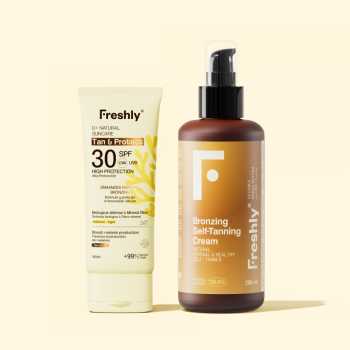
Natural Tanning Routine with SPF 30 - 100 ml, 200 ml
Price
From
Regular price
54,95 €
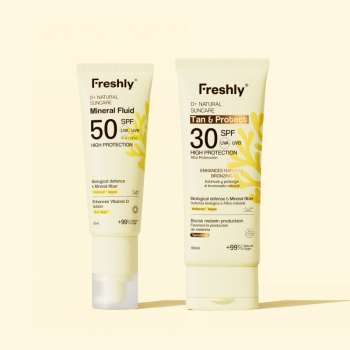
SPF 50 Sun Protection and Tanning Routine - 50 ml, 100 ml
Price
From
Regular price
49,95 €
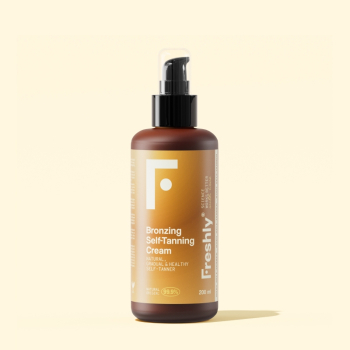
Bronzing Radiance Self-Tanning Cream
Body Tanning Cream - 200 ml
Price
From
Regular price
29,95 €

Instant Facial Bronzer with Vitamin C - 28ml
Price
From
Regular price
36,95 €
 4.4
4.4
25 reviews
D+ Natural Suncare Tan & Protect SPF 30
Filters
Ratings

close
Thank you very much for sharing your experience with Freshly!
Thousands of people discover Freshly thanks to reviews like yours. Also, share your experience on Trustpilot and help us grow together.
SHARE ON TRUSTPILOTclose
Thank you very much for sharing your experience with Freshly!
Reviews like yours help us improve every day. Our team will review your case to assist you.
close
⚠️ The comment could not be added.
09/15/2026
adoro a textura. faz realmente o que diz, proteja e bronzeia. recomendo
08/28/2026
Es una auténtica pasada. Se aplica super fácil, huele increíble. Proteje genial. No he necesitado reaplicar. Repito seguro
08/25/2026
Protege, no pica la piel ni deja residuo blanco. Tampoco huele mal.
Realmente deja un tono dorado muy natural y duradero
Realmente deja un tono dorado muy natural y duradero
close
FAQs
The fragrances we use at Freshly are of natural origin, comply with ISO 16128 standards and are Cosmos certified. This means they do not include any ingredients classified as potential endocrine disruptors, which are often found in conventional fragrances, and they are also free from allergens and photosensitising ingredients. Therefore, the product is suitable for all skin types (including atopic and very sensitive skin) and is formulated to integrate into a skincare routine that respects both the skin and long-term health.
Yes: this SPF 30 sunscreen protects against UVB and UVA radiation, offering a safeguard to enjoy the sun more safely, for example, for outdoor activities where the radiation is not too intense or very direct. For more direct or prolonged exposure, we recommend using a broad-spectrum natural sunscreen with SPF 50, such as the D+ Natural Suncare Mineral Fluid, which also protects against visible light, blue light, and infrared. Therefore, this natural tanning lotion with SPF 30 is ideal for those looking to accelerate, intensify, and prolong their tan safely, combining sun protection with skincare.
Opting for mineral and biological sun protection instead of chemical filters is choosing a more skin-friendly and environmentally respectful protection. In the case of mineral filters, they act on the skin's surface, reflecting UVA, UVB, IR-A, and blue light, without penetrating or altering its natural functions, making them safe for long-term use, and especially suitable for sensitive skin. Biological filters differ from traditional chemical filters in how they interact with the skin and sunlight. While many chemical filters work by absorbing radiation and transforming it into heat after penetrating the skin, biological filters are inspired by natural photoprotection mechanisms, like those used by marine algae to protect themselves from the sun. These actives reinforce the skin's natural defenses, help neutralize oxidative stress, and modulate interaction with sunlight, without aggressively interfering with the skin's biological processes. Moreover, biological filters like Helionori® act complementarily to minerals: they do not replace physical protection but optimize it, improving skin tolerance and promoting a safer sun exposure. physiological. By not requiring penetration or intense chemical reactions to be effective, they are more respectful to sensitive skin and the marine environment, aligning with a more conscious, healthy, and sustainable sun protection.
Serotonin is a neurotransmitter well-known for its function in the brain, but it also exists in the skin. It is locally produced in keratinocytes and melanocytes, and it plays a role in processes such as: protection against oxidative stress, modulation of the cutaneous immune response, influence on pigmentation and cell proliferation, mood regulation (when it reaches the nervous system). As we explained above, the Blue Alga® complex increases the skin's vitamin D receptors, indirectly boosting the production of serotonin in the skin, thus enhancing the sun's benefits on the body.
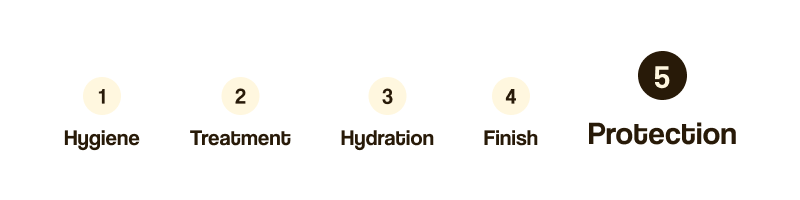
It should be applied as the final step in your facial or body care routine, after cleansing and applying serums or specific treatments, to ensure that the sunscreen actives form a continuous physical and biological barrier on the skin. This barrier prevents the photo-oxidation of collagen and elastin, protects cellular DNA from UV and HEV, and allows the melanogenesis mechanisms activated by Tanositol™ to develop optimally, promoting a gradual, even, and safe tan.
Developing a natural sunscreen with a fluid texture is one of the biggest challenges in solar cosmetics. For years, the most used ingredient in natural sun protection has been titanium dioxide, an effective filter but one that tends to create dense, thick textures that are difficult to spread. We ourselves have used it for a long time. However, advances in formulation have led us to... have allowed us to evolve towards more innovative technologies. That's why we've replaced titanium dioxide with zinc oxide, a broad-spectrum mineral filter that, when well formulated, provides effective protection with a much lighter and more pleasant texture. The result is a fluid mineral sunscreen, easy to apply and designed to significantly enhance the user experience without compromising on effectiveness or skin respect.
The Bronzing Radiance is a self-tanner that adds colour to the skin even without sun exposure, as it works by depositing a progressive tone through self-tanning actives. It does not protect against UV radiation. On the other hand, this SPF 30 sunscreen does not self-tan the skin without sun exposure. Its function is to protect against UVA and UVB radiation and enhance the natural tan when the skin is exposed to the sun, biologically stimulating melanin production with Tanositol™, to achieve a more even, long-lasting, and safe tan. To combine them, you can either apply the Bronzing first and then the sunscreen, or after sun exposure, after showering, apply the Bronzing following hydration.
How can I use it?
NULLNatural actives with proven efficacy
-
Bisabolol™
Protects against external aggressions, and reduces inflammation, irritation, and redness caused by UV radiation, providing calm and comfort to the skin.
-
Blue Alga (Patented)
Increases the skin's vitamin D receptors (VDR) by up to 14% and enhances its sensitivity to healthy sunlight. Thus, it boosts the skin's serotonin by up to 54%, providing well-being and balance. Strengthens the skin's three barriers: the physical, immunological, and neurosensory.
-
Helionori®
Protects against UVA rays and safeguards cellular DNA by inhibiting UVA-induced breaks in the DNA chain of melanocytes. It achieves this thanks to MMAs: molecules used by seaweed to protect themselves from solar radiation. Thus, it helps enhance the benefits of healthy sunlight.
-
Tanositol™
Activates, intensifies, and prolongs tanning. To do this, it stimulates the functioning of melanocytes, increasing melanin by 21% to achieve a natural and even tan.
INCI (Ingredients List)
D+ Natural Suncare Tan & Protect SPF 30
*Ingredients from organic farming
**Derived from natural essential oils
Aqua , Zinc Oxide , Coco-Caprylate/Caprate , Dibutyl Adipate , Glycerin , POLYGLYCERYL-6 STEARATE , Polyricinoleic Acid , COCO-CAPRYLATE , Triheptanoin , POLYHYDROXYSTEARIC ACID , Inositol , Porphyra Umbilicalis Extract , Cystoseira Tamariscifolia Extract , Pongamia Pinnata Seed Extract , Glycyrrhiza Glabra Root Extract * , Nelumbo Nucifera Flower Extract , Bisabolol , Benzyl Alcohol , Polyglyceryl-6 Behenate , Cetearyl Alcohol , Glyceryl Stearate , Parfum , Dehydroacetic Acid , Xanthan Gum , Tocopherol , Sodium Benzoate , Potassium Sorbate
At Freshly, we're constantly innovating and improving our formulas. That’s why the list of ingredients is updated regularly and may differ slightly from the label on the product depending on the time of purchase.
What don’t we include and why?
Thousands of ingredients are left out of our formulas: parabens, silicones, sulfates, phthalates, plastic particles… Start a routine free from irritants, pollutants, animal-derived ingredients, or anything associated with adverse effects. We only include nutrients that bring real value to your skin's health.
FAQs
DOES IT CONTAIN IRRITATING OR PHOTOSENSITISING FRAGRANCES?
The fragrances we use at Freshly are of natural origin, comply with ISO 16128 standards and are Cosmos certified. This means they do not include any ingredients classified as potential endocrine disruptors, which are often found in conventional fragrances, and they are also free from allergens and photosensitising ingredients. Therefore, the product is suitable for all skin types (including atopic and very sensitive skin) and is formulated to integrate into a skincare routine that respects both the skin and long-term health.
CAN I USE IT AS A SUNSCREEN?
Yes: this SPF 30 sunscreen protects against UVB and UVA radiation, offering a safeguard to enjoy the sun more safely, for example, for outdoor activities where the radiation is not too intense or very direct. For more direct or prolonged exposure, we recommend using a broad-spectrum natural sunscreen with SPF 50, such as the D+ Natural Suncare Mineral Fluid, which also protects against visible light, blue light, and infrared. Therefore, this natural tanning lotion with SPF 30 is ideal for those looking to accelerate, intensify, and prolong their tan safely, combining sun protection with skincare.
WHY CHOOSE MINERAL SUN PROTECTION?
Opting for mineral and biological sun protection instead of chemical filters is choosing a more skin-friendly and environmentally respectful protection. In the case of mineral filters, they act on the skin's surface, reflecting UVA, UVB, IR-A, and blue light, without penetrating or altering its natural functions, making them safe for long-term use, and especially suitable for sensitive skin. Biological filters differ from traditional chemical filters in how they interact with the skin and sunlight. While many chemical filters work by absorbing radiation and transforming it into heat after penetrating the skin, biological filters are inspired by natural photoprotection mechanisms, like those used by marine algae to protect themselves from the sun. These actives reinforce the skin's natural defenses, help neutralize oxidative stress, and modulate interaction with sunlight, without aggressively interfering with the skin's biological processes. Moreover, biological filters like Helionori® act complementarily to minerals: they do not replace physical protection but optimize it, improving skin tolerance and promoting a safer sun exposure. physiological. By not requiring penetration or intense chemical reactions to be effective, they are more respectful to sensitive skin and the marine environment, aligning with a more conscious, healthy, and sustainable sun protection.
CAN A SUNSCREEN INCREASE SEROTONIN?
Serotonin is a neurotransmitter well-known for its function in the brain, but it also exists in the skin. It is locally produced in keratinocytes and melanocytes, and it plays a role in processes such as: protection against oxidative stress, modulation of the cutaneous immune response, influence on pigmentation and cell proliferation, mood regulation (when it reaches the nervous system). As we explained above, the Blue Alga® complex increases the skin's vitamin D receptors, indirectly boosting the production of serotonin in the skin, thus enhancing the sun's benefits on the body.
WHAT SHOULD BE APPLIED FIRST: MOISTURISER OR SUNSCREEN?
It should be applied as the final step in your facial or body care routine, after cleansing and applying serums or specific treatments, to ensure that the sunscreen actives form a continuous physical and biological barrier on the skin. This barrier prevents the photo-oxidation of collagen and elastin, protects cellular DNA from UV and HEV, and allows the melanogenesis mechanisms activated by Tanositol™ to develop optimally, promoting a gradual, even, and safe tan.
HOW DO YOU ACHIEVE NATURAL SUN PROTECTION WITH A LIGHT AND FLUID TEXTURE?
Developing a natural sunscreen with a fluid texture is one of the biggest challenges in solar cosmetics. For years, the most used ingredient in natural sun protection has been titanium dioxide, an effective filter but one that tends to create dense, thick textures that are difficult to spread. We ourselves have used it for a long time. However, advances in formulation have led us to... have allowed us to evolve towards more innovative technologies. That's why we've replaced titanium dioxide with zinc oxide, a broad-spectrum mineral filter that, when well formulated, provides effective protection with a much lighter and more pleasant texture. The result is a fluid mineral sunscreen, easy to apply and designed to significantly enhance the user experience without compromising on effectiveness or skin respect.
HOW DOES IT DIFFER FROM THE BRONZING RADIANCE SELF-TANNING CREAM? CAN I COMBINE THEM?
The Bronzing Radiance is a self-tanner that adds colour to the skin even without sun exposure, as it works by depositing a progressive tone through self-tanning actives. It does not protect against UV radiation. On the other hand, this SPF 30 sunscreen does not self-tan the skin without sun exposure. Its function is to protect against UVA and UVB radiation and enhance the natural tan when the skin is exposed to the sun, biologically stimulating melanin production with Tanositol™, to achieve a more even, long-lasting, and safe tan. To combine them, you can either apply the Bronzing first and then the sunscreen, or after sun exposure, after showering, apply the Bronzing following hydration.