Body oil for stretch marks and scars 100/200 ml
20,96 €
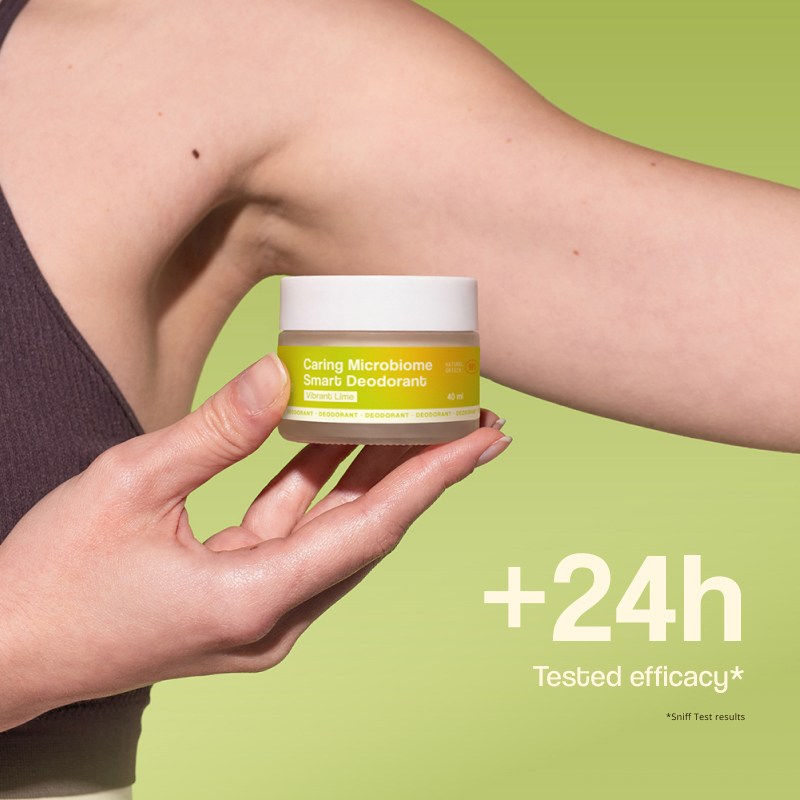
24-48 hours efficacy | Free from endocrine disruptors | Respects the microbiome
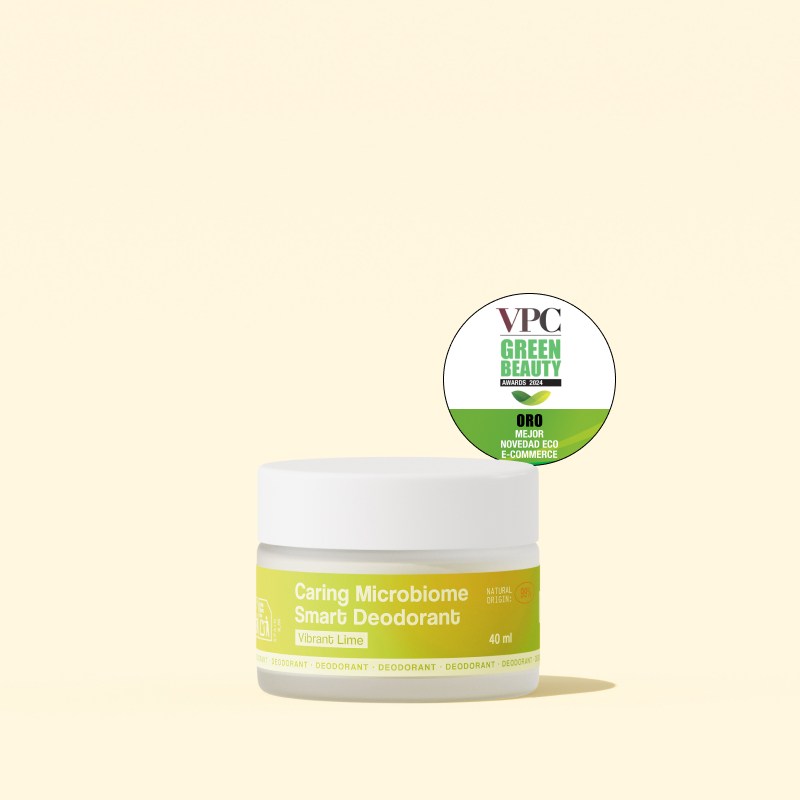
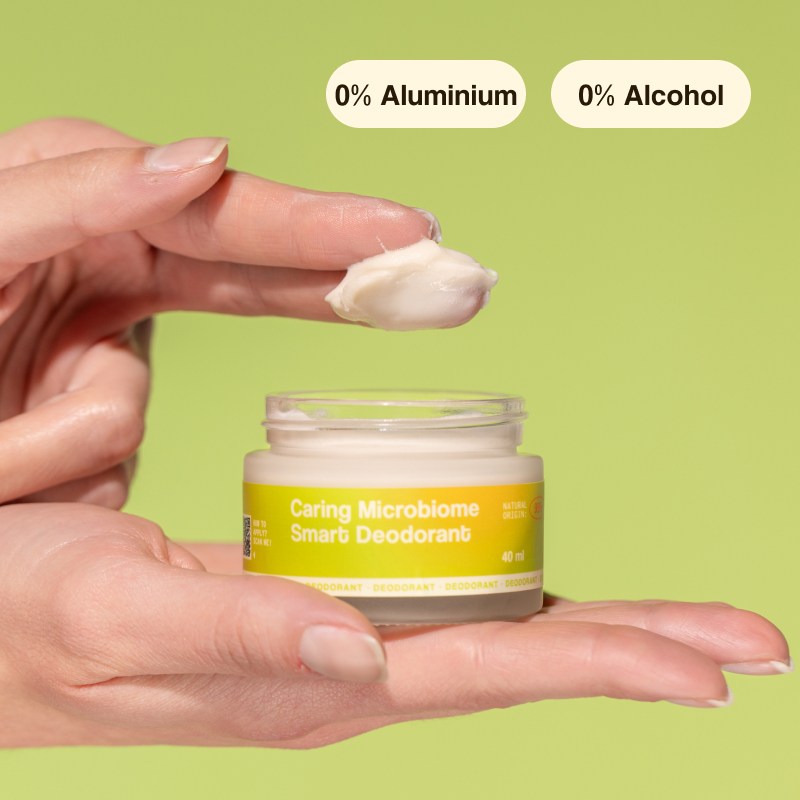
Take care of your skin and control body odour with this natural deodorant. It absorbs excess moisture, inhibits the enzymes responsible for bad odour, and selectively controls the bacteria that cause it, while respecting natural perspiration and caring for your skin's microbiome. Free from aluminium, alcohol, talc, and other irritating ingredients or those that may disrupt hormonal balance. Deodorant efficacy proven for 24h and 48h, dermatologically tested and suitable for sensitive skin. A deodorant as natural as the act of sweating.Benefits
Did you know that sweat doesn't smell? It is composed of 99% water and is odourless. The smell appears when the bacteria that naturally live on the skin — Staphylococcus, Corynebacterium, Cutibacterium — break down the fatty acids and proteins in underarm sweat, releasing the compounds we recognise as "body odour". In other words, it's not the sweat that smells, it's its reaction with the bacteria. And perspiration is a necessary function to regulate body temperature, eliminate toxins, and maintain the skin's pH as a barrier against germs. That's why, unlike conventional antiperspirants, this natural deodorant doesn't block: it absorbs sweat and acts on the bacteria that cause bad odour, for an effective, long-lasting and healthy action.
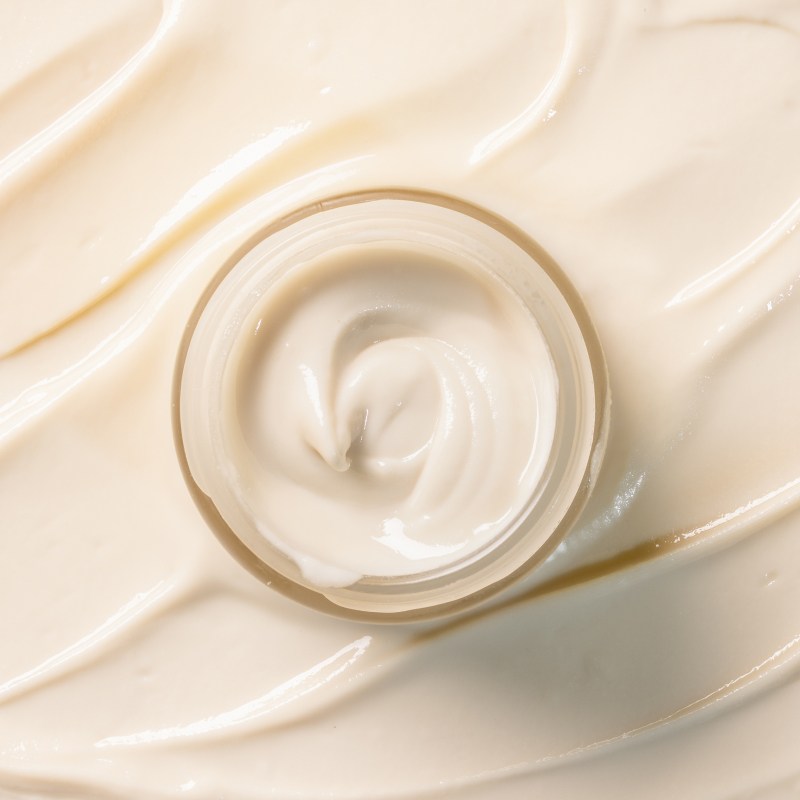
40ml | Glass container with a sustainable PP plastic lid
Tested efficacy
TIP! Exfoliate the armpit skin regularly (once a week) for greater effectiveness. Exfoliation removes dead skin cells and eliminates impurities. If you notice an odour, avoid synthetic fabrics like polyester. And remember: it's a transition. If it's your first time using a natural deodorant, your body will go through an adaptation process. Some people find it works from the first day, but others need a bit more time. If that's your case, you can use it during the first few weeks in a comfortable environment for you until your skin gets used to it.
*Ingredients from organic farming
**Derived from natural essential oils
Extraction: derived from Coconut Oil and Glycerin, is considered an excellent emollient and skin repairing agent. It is a mix of fatty acids. It is not considered a sensitizing agent.
Benefits: it repairs the surface of the skin and prevents the loss of moisture and also works to thicken skin. They are neutral oils that do not irritate the skin, are easy to apply and are quickly absorbed.
Extraction: it is the starch extracted from the manioc, also known as yucca. This tuber of tropical origin is also a highly-nutritious root.
Benefits: as it is a powder, it helps absorb sweat, respecting the body's natural perspiration. It also leaves a smooth finish on the skin. It is mainly used as a texturiser.
Sourcing: salt of mineral origin from Dead Sea salts.
Benefits: inhibits the production of bad odour by controlling the growth of odour-causing bacteria. It also has the ability to absorb sweat and sebum, leaving the skin dry and smooth.
Extraction: coconut is a tropical fruit obtained from the coconut tree. Cold pressing thExtraction: the coconut is a tropical fruit obtained from the coconut tree. The oil is obtained by pressing the pulp of the coconut which produces a fat-like substance from which the coconut oil is later extracted. This vegetable oil is composed 90% of saturated fatty acids.
Benefits: coconut oil is one of the star ingredients in any beauty routine. It is perfect for hair care, serving as a conditioner to repair and restructure dry and damaged hair and help prevent breakage. It is rich in fatty acids that nourish and moisturize hair and leaves hair feeling smooth and silky. It is also great for skin, working as a powerful moisturizer by hydrating dry, damaged skin and leaving it feeling smooth and refreshed. Additionally, it has remarkable restorative and antioxidative properties.nditioner, it repairs damaged hair and restructures it increasing its resistance. Rich in fatty acids, it nourishes and hydrates the hair. Combined with rinsing, it leaves a soft and silky effect.
Extraction: this combination of waxes is obtained from the respective trees Rhus Verniciflua and Rhus Succedanea, both originally from Asia.
Benefits: they are plant-derived substitutes of beeswax. They act as emollients, give consistency to the product and obtain an adequate texture and viscosity.
Extraction: Theobroma cocoa butter is extracted from the heart of cocoa seeds, a plant originally from the Amazon. It is one of the products that are extracted for the production of chocolate. It is the fat part of the cocoa seed and is separated after fermentation and roasting of the seeds.
Benefits: It is commonly used in pharmacy and food. It has moisturising properties, combating water loss in skin. It also provides vitamin E, polyphenols and flavonoids that prevent the dryness of the skin and promote the keratinisation of its tissues. It also has calming effects and relieves irritations, which make it very suitable for application on lips damaged by environmental factors.
Extraction: Rice extract is obtained directly from the rice grain unlike the rice oil which is obtained from the bran. Rice has been cultivated for more than 6500 years and is popularly used as an antidiarrheal, demulcent and anti-inflammatory. Nonetheless, rice is mostly known for its multiple beneficial properties is a useful ingredient in skin and hair care.
Benefits: This extract has excellent properties promoting the growth and strengthening of hair and nails. Its activity stimulates different keratin proteins responsible for helping nails growth and fortification.
Extraction: It is an ester of citric acid and is a colourless and odourless liquid.
Benefits: It is used as a natural deodorant, thanks to its ability to destroy the enzymes responsible for the decomposition of sweat, thus preventing the onset of bad odours.
Extraction: natural pentylene glycol is obtained from renewable plant-based sources such as sugar cane or maize.
Benefits: commonly used in moisturising creams and lotions for its hydrating properties, which help retain moisture in the skin. It also has antibacterial and preservative effects, helping other active ingredients act better on the skin.
Extraction: This plant-derived wax is obtained from rice bran, one of the brown rice parts that is separated in the process of obtaining white rice. It contains antioxidants, fiber and protein and is used in food and cosmetics.
Benefits: This emollient is a recognised softening ingredient. Reduces micro-relief and roughness of the skin surface. It also acts as a protector of environmental factors by keeping the skin in optimal condition.
Sourcing: Diatomaceous earth comes from sedimentary rocks composed of microporous fossilised siliceous skeletal remains of aquatic algae, known as diatoms.
Benefits: Due to its microporous structure, diatomaceous earth offers a high absorption power. Its unique microporous structure gives it unparalleled oil and water absorption properties that provide rapid absorption of sweat and impurities. It has a mattifying effect and reduces the feeling of dampness. Provides body odour control that improves over time
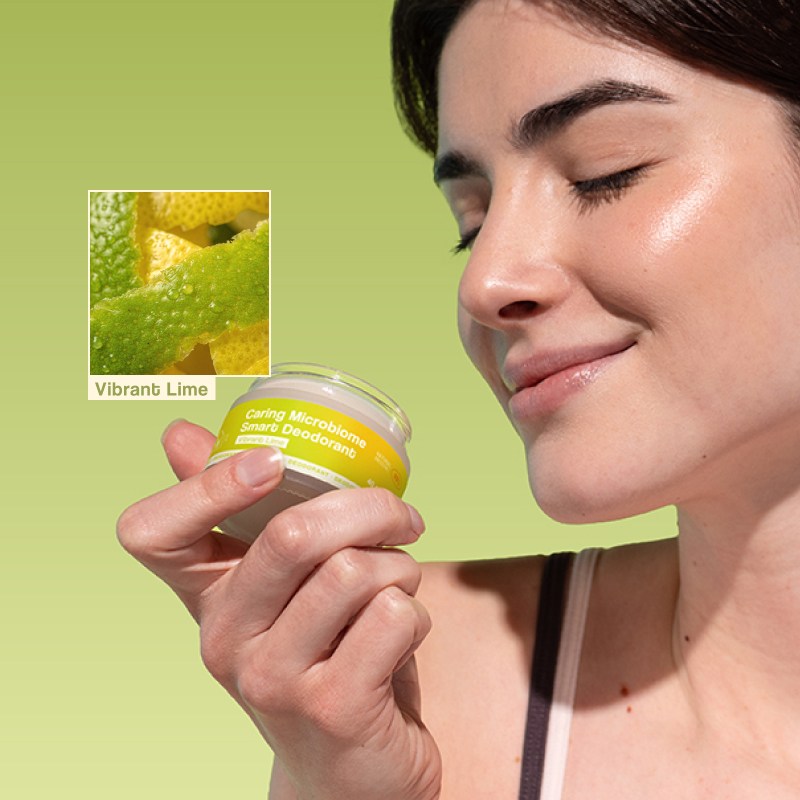
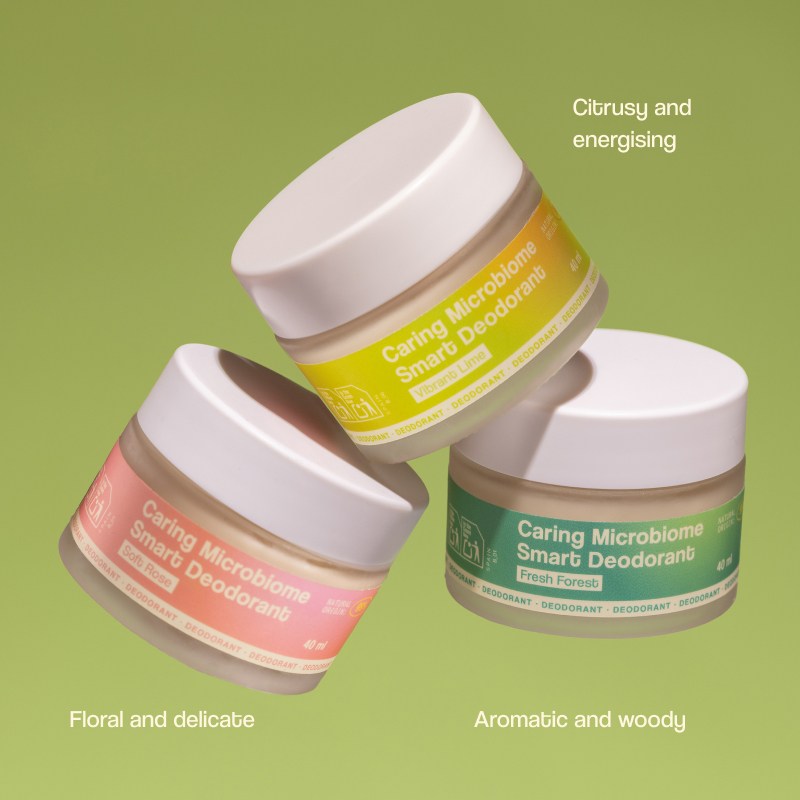
Fresh and citrusy scent, 100% of natural origin, with fruity notes of orange, tangerine, grapefruit, and lime.
Extraction: it is a monoterpene of natural origin that is found in many citrus fruits such as lemon. It is a colorless liquid with a light, fresh and sweet citrus aroma.
Benefits: widely used to make fragrances and flavors. It is a main component of many essential oils.
Obtenció: Aquesta cera vegetal s'obté del segó d'arròs, una de les parts de l'arròs integral que se separa en el procés d'obtenció de l'arròs blanc. Conté antioxidants, fibra i proteïna i s'utilitza en alimentació i cosmètica.
Beneficis: Aquest emolient és un reconegut ingredient suavitzant. Redueix el micro-relleu i rugositat de la superfície cutània. A més també actua com a protector de factors ambientals mantenint la pell en condicions òptimes.
Sourcing: Sodium bicarbonate is naturally present in minerals.
Benefits: Used in cosmetics for its exfoliating properties and antibacterial power.
Obtaining: it is an ester of xylitol, a 100% biodegradable molecule. It is obtained from the union of xylitol (which comes from corn) and Caprylic Acid (which comes from palm oil).
Benefits: It has antifungal and antimicrobial properties. Reduces body odour by eliminating odour-causing bacteria and preventing them from metabolising sweat components.
Extraction: this natural ingredient is extracted from zinc salts and ricionleic acid obtained from castor oil.
Benefits: ricinoleate zinc is a natural ingredient, capable of absorbing and neutralizing odor; therefore, it is essential ingredient for use in deodourants. It does not clog sweat glands like an antiperspirant nor does it interfere with the body’s healthy physiological microbiota.
Extraction: This wax is obtained from the Rhus Succedanea tree, known as the Japanese wax tree, native to the Asian continent.
Benefits: It is a plant-derived substitute for beeswax. It acts as an emollient, gives consistency to the product and achieves a suitable texture and viscosity.
Sourcing: an essential oil obtained by steam stripping the leaves and terminal branches of Melaleuca alternifolia Chell. (Mirtaceae), also known as Australian tea tree.
Benefits: It has antiseptic and antibacterial properties that make it ideal for preventing the degradation of sweat by bacteria and also for the treatment of acne. Because of these properties it can also be used as a natural preservative.
Extraction: It is obtained from the sage, a plant of the Lamiaceae family, which also has a high level of flavonoids.
Benefits: It is characterised by its antimicrobial properties, as it effectively fights the micro-organisms that cause bad odours. As a deodorant, it improves the purifying effect and helps to enhance the feeling of cleanliness.
Sourcing: salt of mineral origin produced from Dead Sea salts.
Benefits: inhibits the production of bad odour by controlling the growth of odour-causing bacteria. It also has the ability to absorb sweat and sebum, leaving the skin dry and smooth.
Obtaining: mixture of sodium salts obtained from the union of lactic acid esters with lauric and capric fatty acids.
Benefits: It is a natural emulsifier with antimicrobial properties.
Extraction: sal tree is originally from the Indian subcontinent. It is used in many fields, from construction to Ayurvedic medicine, from food to cosmetics.
Benefits: its resin has astringent properties, it is used for its ability to create the right viscosity in cosmetic products.
Sourcing: Derived from the fermentation of sugar cane, natural origin.
Benefits: Helps the skin to preserve natural moisture reserves, reducing water loss by increasing the synthesis of ceramides in the skin barrier.
Extraction: it is the hydrogenated version of squalene. It is an aliphatic triterpene extracted from rice bran, wheat germ and green olives. It has a 100% natural origin.
Benefits: it is a natural component of the skin and a good emollient and sebum restorer. It is used in regenerative treatments for dry skin. It has antioxidant properties and stimulates the immune system.
Extraction:The oil from the Citrus aurantium flower, also known as neroli, is obtained through steam distillation of the fresh blossoms of the bitter orange tree. This process preserves the delicate aromatic compounds present in the essential oil.
Benefits: It is characterised by its intense and refreshing floral aroma, with citrusy and slightly green undertones. It is valued for its calming effects, mood-balancing properties, and its antioxidant and skin-regenerating benefits.
Extraction: also known as geranial, is a natural compound with lemon citrus aroma. It comes from the essential oils of a series of plants that include: lemon grass, lemon myrtle, lemon and orange blossom.
Benefits: it is used in perfumes as a natural component of essential oils. It is refreshing, rich in vitamins, stimulates microcirculation and nurtures tissues.
Obtaining: Geranyl acetate is a monoterpenic ester naturally found in various essential oils, especially in citronella, palmarosa, geranium, yuzu, and carrot oils.
Benefits: It stands out for its soft, sweet, and floral fragrance, with fruity notes similar to rose or pear. It is frequently used in perfumery and cosmetics as an aromatic ingredient. In addition to its olfactory role, it has antimicrobial and repellent properties.
Extraction: Alpha-terpinene is a monoterpene naturally found in essential oils from plants such as tea tree, cumin, nutmeg, and marjoram. It is extracted through distillation from these plant sources.
Benefits: It has a gentle, herbal aroma with fresh notes and is valued for its antioxidant activity and antimicrobial properties. It also contributes to the olfactory profile of herbal and fresh fragrances.
Extraction: Terpinolene is a terpene hydrocarbon that is part of the composition of essential oils from various plants, such as pine, juniper, and sage. It is isolated through fractional distillation of these oils.
Benefits: It has a clean, fresh, and slightly citrusy aroma with hints of wood and herbs. It is attributed with antioxidant, deodorising, and purifying properties, and is also a key component in natural fragrances.
Obtaining: Pinene is a natural compound mainly obtained from essential oils derived from pine resins and needles, as well as from other aromatic plants such as rosemary and eucalyptus.
Benefits: In cosmetics, pinene provides antioxidant, soothing, and antimicrobial properties. Its use enhances the formulation of skin and hair products, helping to revitalize, protect, and calm, while also offering freshness and a natural aroma.
Extraction: derived from Coconut Oil and Glycerin, is considered an excellent emollient and skin repairing agent. It is a mix of fatty acids. It is not considered a sensitizing agent.
Benefits: it repairs the surface of the skin and prevents the loss of moisture and also works to thicken skin. They are neutral oils that do not irritate the skin, are easy to apply and are quickly absorbed.
Extraction: it is the starch extracted from the manioc, also known as yucca. This tuber of tropical origin is also a highly-nutritious root.
Benefits: as it is a powder, it helps absorb sweat, respecting the body's natural perspiration. It also leaves a smooth finish on the skin. It is mainly used as a texturiser.
Sourcing: salt of mineral origin from Dead Sea salts.
Benefits: inhibits the production of bad odour by controlling the growth of odour-causing bacteria. It also has the ability to absorb sweat and sebum, leaving the skin dry and smooth.
Extraction: coconut is a tropical fruit obtained from the coconut tree. Cold pressing thExtraction: the coconut is a tropical fruit obtained from the coconut tree. The oil is obtained by pressing the pulp of the coconut which produces a fat-like substance from which the coconut oil is later extracted. This vegetable oil is composed 90% of saturated fatty acids.
Benefits: coconut oil is one of the star ingredients in any beauty routine. It is perfect for hair care, serving as a conditioner to repair and restructure dry and damaged hair and help prevent breakage. It is rich in fatty acids that nourish and moisturize hair and leaves hair feeling smooth and silky. It is also great for skin, working as a powerful moisturizer by hydrating dry, damaged skin and leaving it feeling smooth and refreshed. Additionally, it has remarkable restorative and antioxidative properties.nditioner, it repairs damaged hair and restructures it increasing its resistance. Rich in fatty acids, it nourishes and hydrates the hair. Combined with rinsing, it leaves a soft and silky effect.
Extraction: This plant wax is obtained from the fruit peel of Rhus verniciflua, known as the lacquer tree, which is native to Asia.
Benefits: It is a plant-based alternative to beeswax. It acts as an emollient, adds body to the product and helps achieve the right texture and viscosity.
Extraction: It is an ester of citric acid and is a colourless and odourless liquid.
Benefits: It is used as a natural deodorant, thanks to its ability to destroy the enzymes responsible for the decomposition of sweat, thus preventing the onset of bad odours.
Extraction: natural pentylene glycol is obtained from renewable plant-based sources such as sugar cane or maize.
Benefits: commonly used in moisturising creams and lotions for its hydrating properties, which help retain moisture in the skin. It also has antibacterial and preservative effects, helping other active ingredients act better on the skin.
Extraction: This plant-derived wax is obtained from rice bran, one of the brown rice parts that is separated in the process of obtaining white rice. It contains antioxidants, fiber and protein and is used in food and cosmetics.
Benefits: This emollient is a recognised softening ingredient. Reduces micro-relief and roughness of the skin surface. It also acts as a protector of environmental factors by keeping the skin in optimal condition.
Sourcing: Diatomaceous earth comes from sedimentary rocks composed of microporous fossilised siliceous skeletal remains of aquatic algae, known as diatoms.
Benefits: Due to its microporous structure, diatomaceous earth offers a high absorption power. Its unique microporous structure gives it unparalleled oil and water absorption properties that provide rapid absorption of sweat and impurities. It has a mattifying effect and reduces the feeling of dampness. Provides body odour control that improves over time
Sourcing: Sodium bicarbonate is naturally present in minerals.
Benefits: Used in cosmetics for its exfoliating properties and antibacterial power.
Obtaining: it is an ester of xylitol, a 100% biodegradable molecule. It is obtained from the union of xylitol (which comes from corn) and Caprylic Acid (which comes from palm oil).
Benefits: It has antifungal and antimicrobial properties. Reduces body odour by eliminating odour-causing bacteria and preventing them from metabolising sweat components.
Fresh and aromatic scent of natural origin, with citrus notes of bergamot, lemon and mandarin, a heart of lavender, geranium and cedarwood, and a woody base of moss, patchouli and vetiver.
Extraction: this natural ingredient is extracted from zinc salts and ricionleic acid obtained from castor oil.
Benefits: ricinoleate zinc is a natural ingredient, capable of absorbing and neutralizing odor; therefore, it is essential ingredient for use in deodourants. It does not clog sweat glands like an antiperspirant nor does it interfere with the body’s healthy physiological microbiota.
Extraction: This wax is obtained from the Rhus Succedanea tree, known as the Japanese wax tree, native to the Asian continent.
Benefits: It is a plant-derived substitute for beeswax. It acts as an emollient, gives consistency to the product and achieves a suitable texture and viscosity.
Extraction: It is obtained from the sage, a plant of the Lamiaceae family, which also has a high level of flavonoids.
Benefits: It is characterised by its antimicrobial properties, as it effectively fights the micro-organisms that cause bad odours. As a deodorant, it improves the purifying effect and helps to enhance the feeling of cleanliness.
Sourcing: salt of mineral origin produced from Dead Sea salts.
Benefits: inhibits the production of bad odour by controlling the growth of odour-causing bacteria. It also has the ability to absorb sweat and sebum, leaving the skin dry and smooth.
Obtaining: mixture of sodium salts obtained from the union of lactic acid esters with lauric and capric fatty acids.
Benefits: It is a natural emulsifier with antimicrobial properties.
Extraction: sal tree is originally from the Indian subcontinent. It is used in many fields, from construction to Ayurvedic medicine, from food to cosmetics.
Benefits: its resin has astringent properties, it is used for its ability to create the right viscosity in cosmetic products.
Extraction: it is the hydrogenated version of squalene. It is an aliphatic triterpene extracted from rice bran, wheat germ and green olives. It has a 100% natural origin.
Benefits: it is a natural component of the skin and a good emollient and sebum restorer. It is used in regenerative treatments for dry skin. It has antioxidant properties and stimulates the immune system.
Sourcing: Derived from the fermentation of sugar cane, natural origin.
Benefits: Helps the skin to preserve natural moisture reserves, reducing water loss by increasing the synthesis of ceramides in the skin barrier.
Obtaining: Geranyl acetate is a monoterpenic ester naturally found in various essential oils, especially in citronella, palmarosa, geranium, yuzu, and carrot oils.
Benefits: It stands out for its soft, sweet, and floral fragrance, with fruity notes similar to rose or pear. It is frequently used in perfumery and cosmetics as an aromatic ingredient. In addition to its olfactory role, it has antimicrobial and repellent properties.
Obtaining: Linalyl acetate is a natural ester obtained primarily from essential oils of plants such as lavender, cilantro, bergamot, and clary sage. This compound is responsible for the floral and fresh aromatic properties of many essential oils.
Benefits: This ingredient has calming and relaxing properties, widely used in aromatherapy; it is also soothing and antimicrobial. Its fresh and soft scent makes it a widely used ingredient.
Sourcing: Oregano essential oil is obtained by steam distillation of the leaves of oregano (Origanum vulgare), an aromatic Mediterranean plant from the mint family (Lamiaceae). It is rich in phenolic compounds such as carvacrol and thymol.
Benefits: Thanks to its carvacrol and thymol content, it stands out for its purifying and antioxidant properties. It helps keep skin clean and balanced while supporting its defence against oxidative stress. It also lends formulas a distinctive herbal, spicy scent.
Sourcing: an essential oil obtained by steam stripping the leaves and terminal branches of Melaleuca alternifolia Chell. (Mirtaceae), also known as Australian tea tree.
Benefits: It has antiseptic and antibacterial properties that make it ideal for preventing the degradation of sweat by bacteria and also for the treatment of acne. Because of these properties it can also be used as a natural preservative.
Sourcing: It is an essential oil usually obtained by steam distillation of the aerial parts (leaves and stems) of Pelargonium graveolens (geranium).
Benefits: It is primarily used as a fragrance to add a floral, rosy and slightly green note to cosmetics. On a sensory level, it contributes to a more “botanical” and premium experience.
Obtaining: Beta-Caryophyllene is a sesquiterpene naturally found in essential oils of various aromatic plants, such as clove (Syzygium aromaticum), black pepper (Piper nigrum), or rosemary. It is primarily obtained through steam distillation of plant parts rich in this compound.
Benefits: It has a warm, spicy, and slightly woody aroma, with dry and persistent notes. It is valued for its calming and balancing properties, helping to relieve discomfort on the skin. Additionally, it is attributed with antioxidant and purifying activity, making it an interesting ingredient in formulations intended for sensitive or irritation-prone skin, as well as in natural and enveloping aromatic compositions.
Sourcing: Patchouli essential oil is obtained by steam distillation of the dried leaves of patchouli (Pogostemon cablin), an aromatic plant from the mint family (Lamiaceae) native to Southeast Asia. Its main component is patchouli alcohol (patchoulol).
Benefits: It stands out for its rich, woody and earthy scent, highly prized in perfumery for its ability to fix fragrances and make them last longer. In skincare, it helps purify and soothe the skin and keep it balanced.ç
Obtaining: Virginia cedarwood oil is obtained from the wood of the red cedar tree (Juniperus Virginiana), cultivated in this region of the United States.
Benefits: the wood of Virginia cedar is aromatic and rich in essential oils, making it commonly used in perfumes with aromatherapy and therapeutic properties.
Obtaining: Lavender oil or extract is primarily obtained from Lavandula angustifolia, through steam distillation of its fresh flowers or by extracting its soluble compounds. There are different species and chemotypes that influence the final aromatic profile.
Benefits: Its aroma is soft, floral, and herbaceous, with a slightly sweet undertone. It is known for its calming, healing, and antiseptic properties, making it suitable for sensitive, acne-prone, or irritated skin. It is also used in relaxing formulations due to its aromatherapeutic effect on the nervous system.
Sourcing: Ylang-ylang essential oil is obtained by steam distillation of the fresh flowers of ylang-ylang (Cananga odorata), a tropical tree from the custard apple family (Annonaceae) native to Southeast Asia. It is rich in aromatic compounds such as linalool and benzyl acetate.
Benefits: It stands out for its sweet, floral and enveloping scent, much loved in perfumery and associated with a sense of calm and well-being. In cosmetics, it has traditionally been used in skin and hair care, as it helps keep both balanced.
Obtaining: it is obtained from the peel of the fruit of the Citrus aurantium tree, also known as the bitter orange tree, typical of Mediterranean countries.
Benefits: this essential oil is used in perfumes for its fresh and citrusy aroma, and is common in skincare and aromatherapy for its calming and relaxing properties.
Extraction: it is a monoterpene of natural origin that is found in many citrus fruits such as lemon. It is a colorless liquid with a light, fresh and sweet citrus aroma.
Benefits: widely used to make fragrances and flavors. It is a main component of many essential oils.
Extraction: monoterpene with floral aroma and a touch of menthol. This natural fragrance, is sweet and smooth. It is produced by a wide variety of plants such as mint, cinnamon, citrus fruits and birch trees.
Benefits: widely used to make fragrances and flavors. It is a main component of many essential oils.
Extraction: colorless oily liquid with a light floral scent with hints of rose that occurs naturally in some plants. It is a monoterpene that is part of the natural essential oils.
Benefits: it forms part of the natural fragrances found in cosmetics and personal care products.
Extraction: It is a monoterpene that is found in natural essential oils. It is found naturally in plants such as geranium and lemon.
Benefits: it is widely used as an ingredient of fragrances due to its rose-like scent. It is also used in many products to generate grapefruit, plum, pineapple, peach, lemon and cranberry scents.
Extraction: also known as geranial, is a natural compound with lemon citrus aroma. It comes from the essential oils of a series of plants that include: lemon grass, lemon myrtle, lemon and orange blossom.
Benefits: it is used in perfumes as a natural component of essential oils. It is refreshing, rich in vitamins, stimulates microcirculation and nurtures tissues.
Extraction:
Coumarin is a compound that naturally occurs in certain plants such as cinnamon, tonka bean and sweet clover.
Benefits:
It is widely used to create fragrances and flavours. It forms part of the composition of many essential oils.
Extraction: derived from Coconut Oil and Glycerin, is considered an excellent emollient and skin repairing agent. It is a mix of fatty acids. It is not considered a sensitizing agent.
Benefits: it repairs the surface of the skin and prevents the loss of moisture and also works to thicken skin. They are neutral oils that do not irritate the skin, are easy to apply and are quickly absorbed.
Extraction: it is the starch extracted from the manioc, also known as yucca. This tuber of tropical origin is also a highly-nutritious root.
Benefits: as it is a powder, it helps absorb sweat, respecting the body's natural perspiration. It also leaves a smooth finish on the skin. It is mainly used as a texturiser.
Sourcing: salt of mineral origin from Dead Sea salts.
Benefits: inhibits the production of bad odour by controlling the growth of odour-causing bacteria. It also has the ability to absorb sweat and sebum, leaving the skin dry and smooth.
Extraction: coconut is a tropical fruit obtained from the coconut tree. Cold pressing thExtraction: the coconut is a tropical fruit obtained from the coconut tree. The oil is obtained by pressing the pulp of the coconut which produces a fat-like substance from which the coconut oil is later extracted. This vegetable oil is composed 90% of saturated fatty acids.
Benefits: coconut oil is one of the star ingredients in any beauty routine. It is perfect for hair care, serving as a conditioner to repair and restructure dry and damaged hair and help prevent breakage. It is rich in fatty acids that nourish and moisturize hair and leaves hair feeling smooth and silky. It is also great for skin, working as a powerful moisturizer by hydrating dry, damaged skin and leaving it feeling smooth and refreshed. Additionally, it has remarkable restorative and antioxidative properties.nditioner, it repairs damaged hair and restructures it increasing its resistance. Rich in fatty acids, it nourishes and hydrates the hair. Combined with rinsing, it leaves a soft and silky effect.
Extraction: This plant wax is obtained from the fruit peel of Rhus verniciflua, known as the lacquer tree, which is native to Asia.
Benefits: It is a plant-based alternative to beeswax. It acts as an emollient, adds body to the product and helps achieve the right texture and viscosity.
Extraction: It is an ester of citric acid and is a colourless and odourless liquid.
Benefits: It is used as a natural deodorant, thanks to its ability to destroy the enzymes responsible for the decomposition of sweat, thus preventing the onset of bad odours.
Extraction: natural pentylene glycol is obtained from renewable plant-based sources such as sugar cane or maize.
Benefits: commonly used in moisturising creams and lotions for its hydrating properties, which help retain moisture in the skin. It also has antibacterial and preservative effects, helping other active ingredients act better on the skin.
Extraction: This plant-derived wax is obtained from rice bran, one of the brown rice parts that is separated in the process of obtaining white rice. It contains antioxidants, fiber and protein and is used in food and cosmetics.
Benefits: This emollient is a recognised softening ingredient. Reduces micro-relief and roughness of the skin surface. It also acts as a protector of environmental factors by keeping the skin in optimal condition.
Sourcing: Diatomaceous earth comes from sedimentary rocks composed of microporous fossilised siliceous skeletal remains of aquatic algae, known as diatoms.
Benefits: Due to its microporous structure, diatomaceous earth offers a high absorption power. Its unique microporous structure gives it unparalleled oil and water absorption properties that provide rapid absorption of sweat and impurities. It has a mattifying effect and reduces the feeling of dampness. Provides body odour control that improves over time
Sourcing: Sodium bicarbonate is naturally present in minerals.
Benefits: Used in cosmetics for its exfoliating properties and antibacterial power.
Obtaining: it is an ester of xylitol, a 100% biodegradable molecule. It is obtained from the union of xylitol (which comes from corn) and Caprylic Acid (which comes from palm oil).
Benefits: It has antifungal and antimicrobial properties. Reduces body odour by eliminating odour-causing bacteria and preventing them from metabolising sweat components.
Extraction: this natural ingredient is extracted from zinc salts and ricionleic acid obtained from castor oil.
Benefits: ricinoleate zinc is a natural ingredient, capable of absorbing and neutralizing odor; therefore, it is essential ingredient for use in deodourants. It does not clog sweat glands like an antiperspirant nor does it interfere with the body’s healthy physiological microbiota.
Floral and fruity scent of natural origin, with notes of strawberry, bergamot and green accents, a heart of rose and peony, and a woody base of sandalwood and cedarwood.
Extraction: This wax is obtained from the Rhus Succedanea tree, known as the Japanese wax tree, native to the Asian continent.
Benefits: It is a plant-derived substitute for beeswax. It acts as an emollient, gives consistency to the product and achieves a suitable texture and viscosity.
Extraction: It is obtained from the sage, a plant of the Lamiaceae family, which also has a high level of flavonoids.
Benefits: It is characterised by its antimicrobial properties, as it effectively fights the micro-organisms that cause bad odours. As a deodorant, it improves the purifying effect and helps to enhance the feeling of cleanliness.
Sourcing: salt of mineral origin produced from Dead Sea salts.
Benefits: inhibits the production of bad odour by controlling the growth of odour-causing bacteria. It also has the ability to absorb sweat and sebum, leaving the skin dry and smooth.
Obtaining: mixture of sodium salts obtained from the union of lactic acid esters with lauric and capric fatty acids.
Benefits: It is a natural emulsifier with antimicrobial properties.
Extraction: sal tree is originally from the Indian subcontinent. It is used in many fields, from construction to Ayurvedic medicine, from food to cosmetics.
Benefits: its resin has astringent properties, it is used for its ability to create the right viscosity in cosmetic products.
Extraction: it is the hydrogenated version of squalene. It is an aliphatic triterpene extracted from rice bran, wheat germ and green olives. It has a 100% natural origin.
Benefits: it is a natural component of the skin and a good emollient and sebum restorer. It is used in regenerative treatments for dry skin. It has antioxidant properties and stimulates the immune system.
Sourcing: Derived from the fermentation of sugar cane, natural origin.
Benefits: Helps the skin to preserve natural moisture reserves, reducing water loss by increasing the synthesis of ceramides in the skin barrier.
Obtaining: Vanillin is an aromatic organic compound that is responsible for the characteristic flavor and aroma of vanilla. It is naturally found in the pods of the vanilla plant.
Benefits: It is used in the production of fragrances and cosmetic products due to its pleasant aroma and antioxidant properties.
Obtaining: Linalyl acetate is a natural ester obtained primarily from essential oils of plants such as lavender, cilantro, bergamot, and clary sage. This compound is responsible for the floral and fresh aromatic properties of many essential oils.
Benefits: This ingredient has calming and relaxing properties, widely used in aromatherapy; it is also soothing and antimicrobial. Its fresh and soft scent makes it a widely used ingredient.
Sourcing: Oregano essential oil is obtained by steam distillation of the leaves of oregano (Origanum vulgare), an aromatic Mediterranean plant from the mint family (Lamiaceae). It is rich in phenolic compounds such as carvacrol and thymol.
Benefits: Thanks to its carvacrol and thymol content, it stands out for its purifying and antioxidant properties. It helps keep skin clean and balanced while supporting its defence against oxidative stress. It also lends formulas a distinctive herbal, spicy scent.
Sourcing: an essential oil obtained by steam stripping the leaves and terminal branches of Melaleuca alternifolia Chell. (Mirtaceae), also known as Australian tea tree.
Benefits: It has antiseptic and antibacterial properties that make it ideal for preventing the degradation of sweat by bacteria and also for the treatment of acne. Because of these properties it can also be used as a natural preservative.
Obtaining: Geranyl acetate is a monoterpenic ester naturally found in various essential oils, especially in citronella, palmarosa, geranium, yuzu, and carrot oils.
Benefits: It stands out for its soft, sweet, and floral fragrance, with fruity notes similar to rose or pear. It is frequently used in perfumery and cosmetics as an aromatic ingredient. In addition to its olfactory role, it has antimicrobial and repellent properties.
Obtaining: Virginia cedarwood oil is obtained from the wood of the red cedar tree (Juniperus Virginiana), cultivated in this region of the United States.
Benefits: the wood of Virginia cedar is aromatic and rich in essential oils, making it commonly used in perfumes with aromatherapy and therapeutic properties.
Sourcing: It is an essential oil usually obtained by steam distillation of the aerial parts (leaves and stems) of Pelargonium graveolens (geranium).
Benefits: It is primarily used as a fragrance to add a floral, rosy and slightly green note to cosmetics. On a sensory level, it contributes to a more “botanical” and premium experience.
Obtaining: Beta-Caryophyllene is a sesquiterpene naturally found in essential oils of various aromatic plants, such as clove (Syzygium aromaticum), black pepper (Piper nigrum), or rosemary. It is primarily obtained through steam distillation of plant parts rich in this compound.
Benefits: It has a warm, spicy, and slightly woody aroma, with dry and persistent notes. It is valued for its calming and balancing properties, helping to relieve discomfort on the skin. Additionally, it is attributed with antioxidant and purifying activity, making it an interesting ingredient in formulations intended for sensitive or irritation-prone skin, as well as in natural and enveloping aromatic compositions.
Extraction: colorless oily liquid with a light floral scent with hints of rose that occurs naturally in some plants. It is a monoterpene that is part of the natural essential oils.
Benefits: it forms part of the natural fragrances found in cosmetics and personal care products.
Extraction: monoterpene with floral aroma and a touch of menthol. This natural fragrance, is sweet and smooth. It is produced by a wide variety of plants such as mint, cinnamon, citrus fruits and birch trees.
Benefits: widely used to make fragrances and flavors. It is a main component of many essential oils.
Extraction: It is a monoterpene that is found in natural essential oils. It is found naturally in plants such as geranium and lemon.
Benefits: it is widely used as an ingredient of fragrances due to its rose-like scent. It is also used in many products to generate grapefruit, plum, pineapple, peach, lemon and cranberry scents.
Thousands of people discover Freshly thanks to reviews like yours. Also, share your experience on Trustpilot and help us grow together.
SHARE ON TRUSTPILOTReviews like yours help us improve every day. Our team will review your case to assist you.
⚠️ The comment could not be added.
All of our Freshly products can be used from the age of three, meaning that they are 100% safe for kids of this age.
All of our products are unisex as they have been formulated for all skin types. Their benefits and properties are the same regardless of gender!
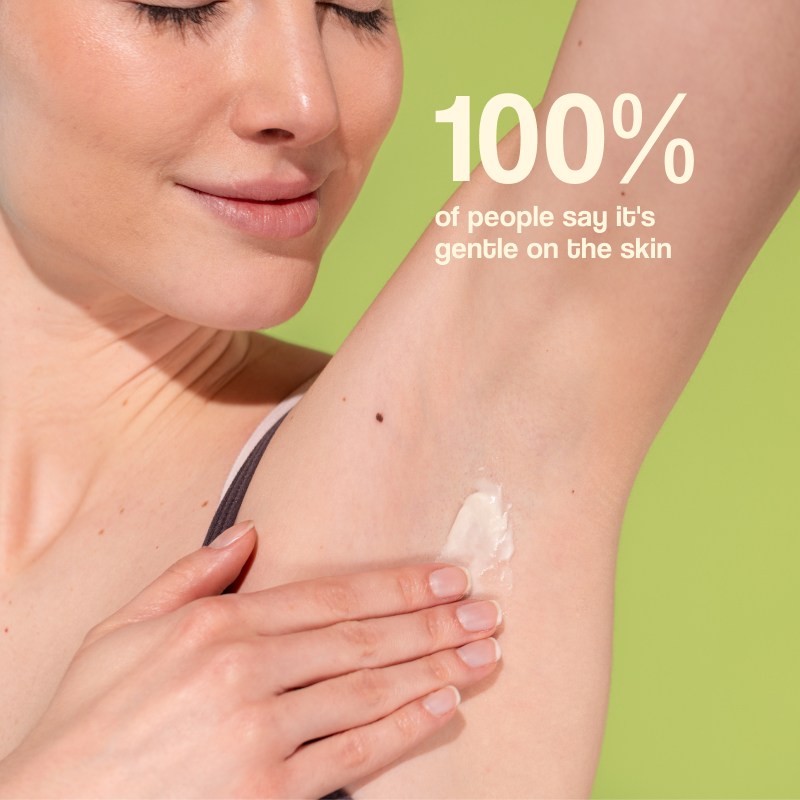
Yes, Caring Microbiome can be used daily, so, in order to feel its effectiveness, it has to be applied to clean, dry skin every day. Using your fingers, get a pea-sized amount of the product and apply it to your underarm, and you're done!
If you are using a natural deodorant for the first time, your body will go through a period of adjustment, which can vary from person to person, but the end result will always be the same. An underarm that has been using antiperspirants for many years carries aluminium residues and other compounds that can take several weeks to be flushed out of the body. So in this process, you may notice that you sweat more, as the Caring Microbiome will not stop you from sweating - it's natural - but it will absorb sweat and stop you from smelling, regulating the microbiome, and inhibiting the bacteria that cause unpleasant smells.
No, it doesn't contain aluminium or alcohol, but it is formulated with natural active ingredients such as Diatomaceous Earth or the Enzyme Inhibitor. Antiperspirants contain aluminium salts, which work to reduce the amount of sweat by forming temporary plugs in the pores. The Caring Microbiome will not stop us from sweating - it's natural - but it will prevent unpleasant smells by inhibiting the bacteria that cause them, and it will absorb sweat, for fresh, healthy skin.
TAG + ALUMINIUM TOP
GLASS BOTTLE

5 tips for an incredibly pleasant experience with Freshly's smart deodorant!
Before the first use, exfoliate the area to remove impurities and eliminate toxins with a natural, gentle exfoliant suitable for the skin, avoiding application on irritated skin.
Cleanse with a soap that protects the skin barrier, like the Citrus Nourishing Shower Gel.
Apply daily to clean, dry skin, an amount of cream deodorant equivalent to the size of a pea.
Spread with your fingers, covering the entire surface of the armpit.
TIP! Exfoliate the armpit skin regularly (once a week) for greater effectiveness. Exfoliation removes dead skin cells and eliminates impurities. If you notice an odour, avoid synthetic fabrics like polyester. And remember: it's a transition. If it's your first time using a natural deodorant, your body will go through an adaptation process. Some people find it works from the first day, but others need a bit more time. If that's your case, you can use it during the first few weeks in a comfortable environment for you until your skin gets used to it.
ENZYME INHIBITOR ACTIVE (TRIETHYL CITRATE)
100% plant-based active ingredient approved by ECOCERT GREENLIFE under the COSMOS standard. It inhibits the enzymatic breakdown of sweat components, tackling the source of bad odour before it forms.
MARINE SALT COMPLEX (MAGNESIUM HYDROXIDE / MAGNESIUM CARBONATE HYDROXIDE)
Mineral complex with long-lasting and proven effectiveness in reducing body odour. It removes antibacterial agents and absorbs excess sweat, maintaining a fresh feeling throughout the day.
ULTRAMICROPOROUS DIATOMACEOUS EARTH
Algae-derived biotechnology with a microporous structure that absorbs perspiration with high efficiency. It dries quickly, leaving a naked skin feeling and an instantly soft touch.
ZINC RICINOLEATE
Zinc salt of ricinoleic acid, a highly effective deodorant that absorbs bad odour without blocking perspiration. It respects the skin's natural flora, avoiding the occlusive feeling typical of antiperspirants.
VEGETABLE UPCYCLED ANTIMICROBIAL COMPLEX (XYLITYL SESQUICAPRYLATE)
Plant-based antimicrobial active obtained from sustainable xylitol and caprylic acid. It eliminates 99.9% of odour-causing microorganisms, biodegradable and skin-friendly.
COCONUT OIL (COCOS NUCIFERA OIL)
From organic farming, it provides antibacterial and antifungal power that helps improve the skin's natural microbiome, thanks to its high lauric acid content. Additionally, it hydrates and softens the underarm area.
*Ingredients from organic farming
**Derived from natural essential oils
INCI (Ingredients List) Caring Microbiome Smart Deodorant - Vibrant Lime:
Caprylic / Capric Triglyceride , Tapioca Starch , Magnesium Hydroxide , Cocci Nucifera Oil , Rhus Verniciflua Peel Cera , Theobroma Cacao Seed Butter , Oryza Sativa Bran Oil , Triethyl Citrate , Pentylene Glycol , Oryza Sativa Bran Wax , Diatomaceous Earth , Parfum , Limonene ** , Oryza Sativa Cera , Sodium Bicarbonate , Xylityl Sesquicaprylate , Zinc Ricinoleate , Rhus Succedanea Fruit Cera , Melaleuca Alternifolia Leaf Oil , Salvia Officinalis Oil , Magnesium Carbonate Hydroxide , Sodium Caproyl/Lauroyl Lactylate , Shorea Robusta Resin , Anhydroxylitol , Squalene , Citrus Aurantium Flower Oil ** , Citral ** , GERANYL ACETATE ** , Alpha-terpinene ** , Terpinolene ** , Pinene **
INCI (Ingredients List) Caring Microbiome Smart Deodorant - Fresh Forest:
Caprylic / Capric Triglyceride , Tapioca Starch , Magnesium Hydroxide , Cocci Nucifera Oil , Rhus Verniciflua Peel Cera , Triethyl Citrate , Pentylene Glycol , Oryza Sativa Bran Wax , Diatomaceous Earth , Sodium Bicarbonate , Xylityl Sesquicaprylate , Parfum , Zinc Ricinoleate , Rhus Succedanea Fruit Cera , Salvia Officinalis Oil , Magnesium Carbonate Hydroxide , Sodium Caproyl/Lauroyl Lactylate , Shorea Robusta Resin , Squalene , Anhydroxylitol , GERANYL ACETATE ** , Linalyl acetate , Origanum Vulgare Leaf Oil , Melaleuca Alternifolia Leaf Oil , Pelargonium Graveolens Oil , Beta-Caryophyllene ** , Pogostemon Cablin Oil , Juniperus Virginiana Oil ** , Lavandula Oil/ Extract , Cananga Odorata Oil/Extract , Citrus Aurantium Peel Oil , Limonene ** , Linalool ** , Citronellol ** , Geraniol ** , Citral ** , Coumarin **
INCI (Ingredients List) Caring Microbiome Smart Deodorant - Soft Rose:
Caprylic / Capric Triglyceride , Tapioca Starch , Magnesium Hydroxide , Cocci Nucifera Oil , Rhus Verniciflua Peel Cera , Triethyl Citrate , Pentylene Glycol , Oryza Sativa Bran Wax , Diatomaceous Earth , Sodium Bicarbonate , Xylityl Sesquicaprylate , Zinc Ricinoleate , Parfum , Rhus Succedanea Fruit Cera , Salvia Officinalis Oil , Magnesium Carbonate Hydroxide , Sodium Caproyl/Lauroyl Lactylate , Shorea Robusta Resin , Squalene , Anhydroxylitol , Vanillin , Linalyl acetate , Origanum Vulgare Leaf Oil , Melaleuca Alternifolia Leaf Oil , GERANYL ACETATE ** , Juniperus Virginiana Oil ** , Pelargonium Graveolens Oil , Beta-Caryophyllene ** , Citronellol ** , Linalool ** , Geraniol **
At Freshly, we're constantly innovating and improving our formulas. That’s why the list of ingredients is updated regularly and may differ slightly from the label on the product depending on the time of purchase.
Thousands of ingredients are left out of our formulas: parabens, silicones, sulfates, phthalates, plastic particles… Start a routine free from irritants, pollutants, animal-derived ingredients, or anything associated with adverse effects. We only include nutrients that bring real value to your skin's health.
All of our Freshly products can be used from the age of three, meaning that they are 100% safe for kids of this age.
All of our products are unisex as they have been formulated for all skin types. Their benefits and properties are the same regardless of gender!
Yes, Caring Microbiome can be used daily, so, in order to feel its effectiveness, it has to be applied to clean, dry skin every day. Using your fingers, get a pea-sized amount of the product and apply it to your underarm, and you're done!
If you are using a natural deodorant for the first time, your body will go through a period of adjustment, which can vary from person to person, but the end result will always be the same. An underarm that has been using antiperspirants for many years carries aluminium residues and other compounds that can take several weeks to be flushed out of the body. So in this process, you may notice that you sweat more, as the Caring Microbiome will not stop you from sweating - it's natural - but it will absorb sweat and stop you from smelling, regulating the microbiome, and inhibiting the bacteria that cause unpleasant smells.
No, it doesn't contain aluminium or alcohol, but it is formulated with natural active ingredients such as Diatomaceous Earth or the Enzyme Inhibitor. Antiperspirants contain aluminium salts, which work to reduce the amount of sweat by forming temporary plugs in the pores. The Caring Microbiome will not stop us from sweating - it's natural - but it will prevent unpleasant smells by inhibiting the bacteria that cause them, and it will absorb sweat, for fresh, healthy skin.
TAG + ALUMINIUM TOP
GLASS BOTTLE

5 tips for an incredibly pleasant experience with Freshly's smart deodorant!