





close
(0 items)
|
TOTAL
Shipping
30,00 €

[2][/2] has been added to your wishlist. See your wishlist
[2][/2] has been removed from your wishlist. See your wishlist
close
Log in
close
Join the Freshly Club
- Exclusive discounts and gifts
- Order tracking
- Free returns management
- 100% free registration
close


 You'll receive your order between tomorrow and Friday 25/09
Hair fall routine. No rebound effect.
Strength & Growth Pack
33,71 €
44,95 €
-25%
ml
·
You are saving 11,24 €

see
162
reviews
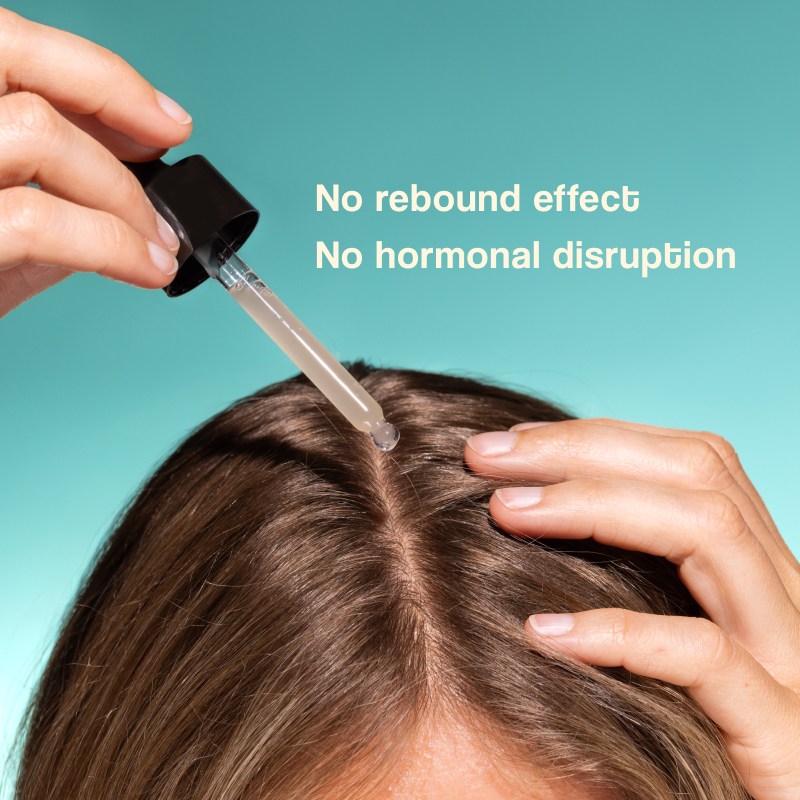
99% natural formula | No rebound effect | Suitable during pregnancy, breastfeeding, and postpartum
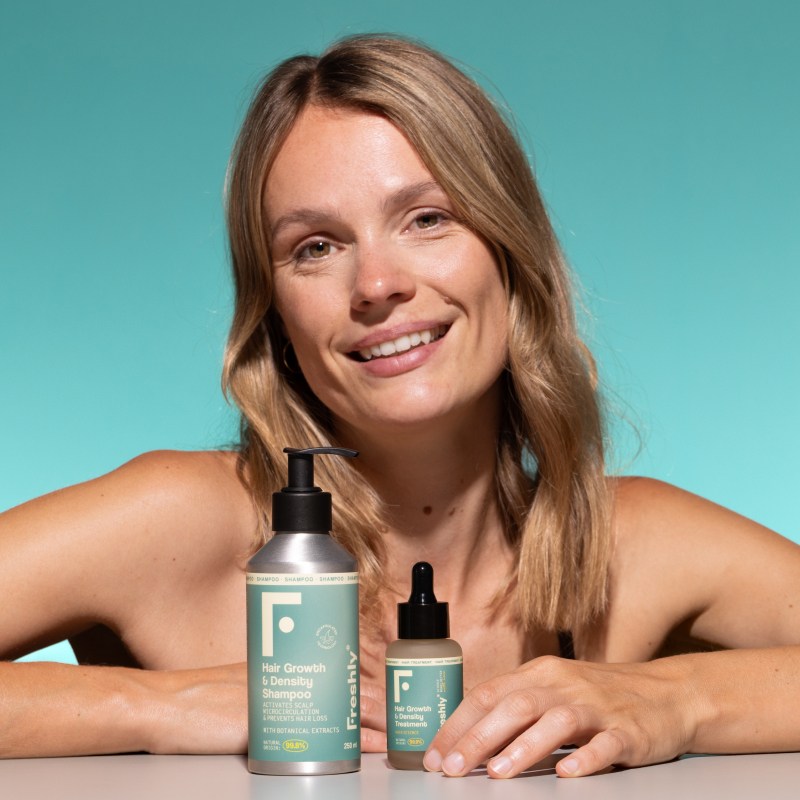
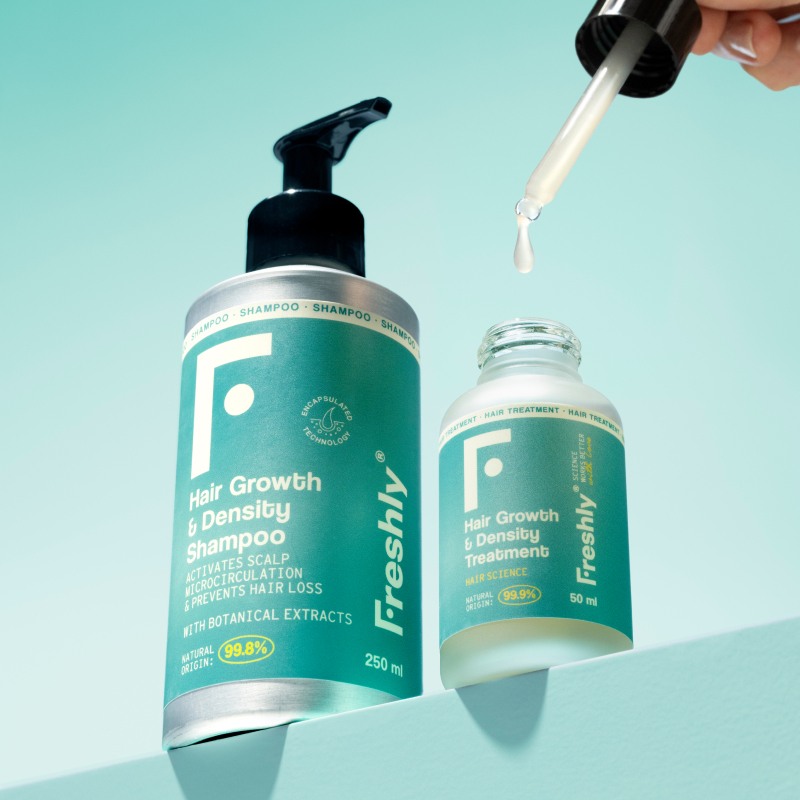
Worried about hair loss? Boost your anti-hair loss results with this shampoo and serum pack. The Hair Growth & Density Shampoo deeply cleanses the scalp, creating an optimal environment for the Hair Growth & Density Treatment to penetrate more effectively into the hair follicle, thus enhancing hair growth.
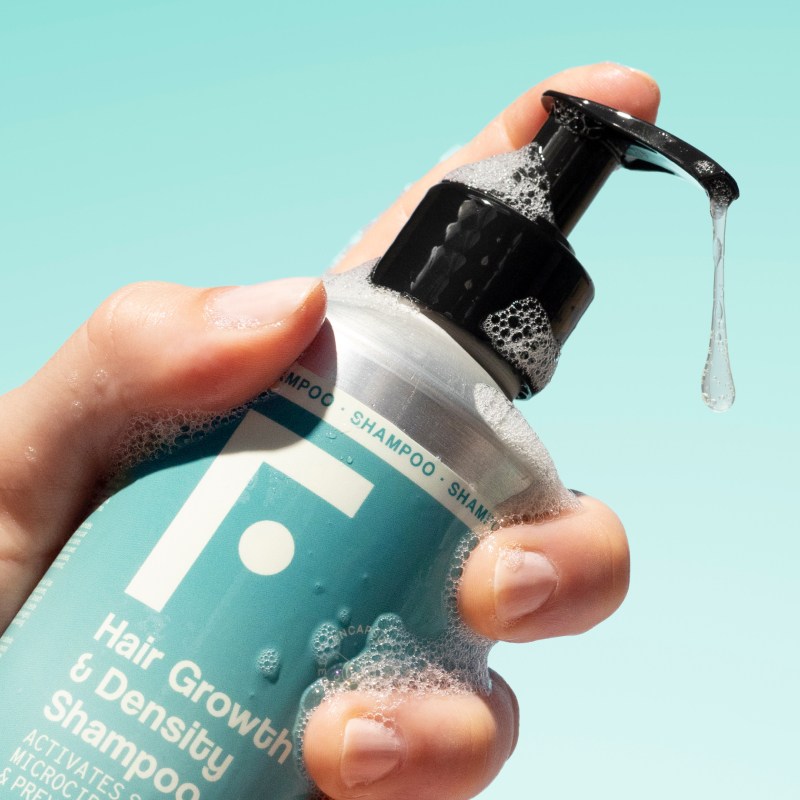
Hair Growth & Density Shampoo
- Deeply cleanses without irritating the scalp
- Stimulates hair growth
- Reduces hair loss
- Increases hair density
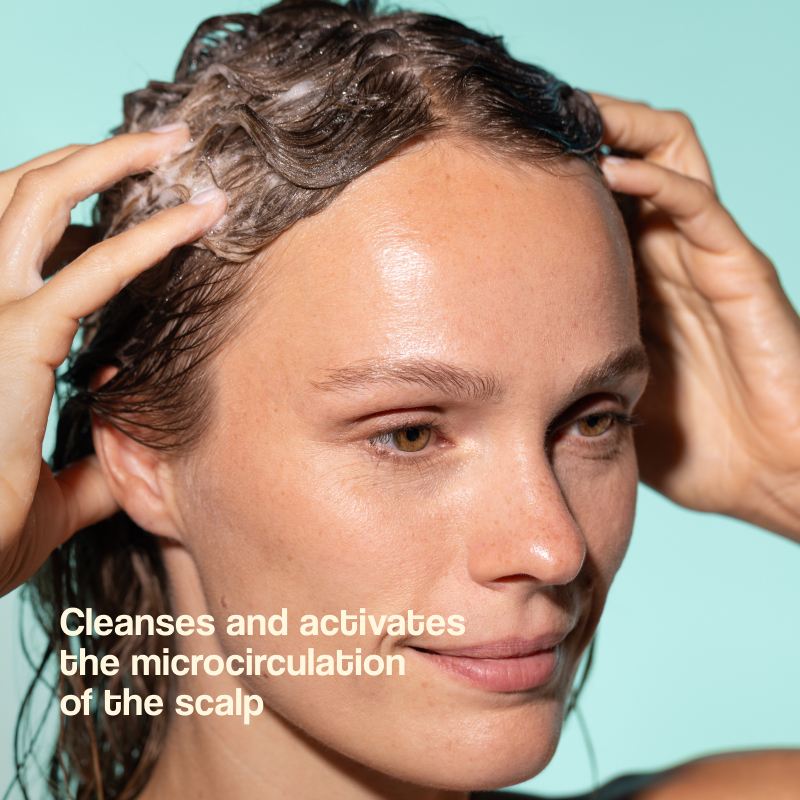
- Promotes microcirculation, improving the function of the hair bulb
Hair Growth & Density Treatment
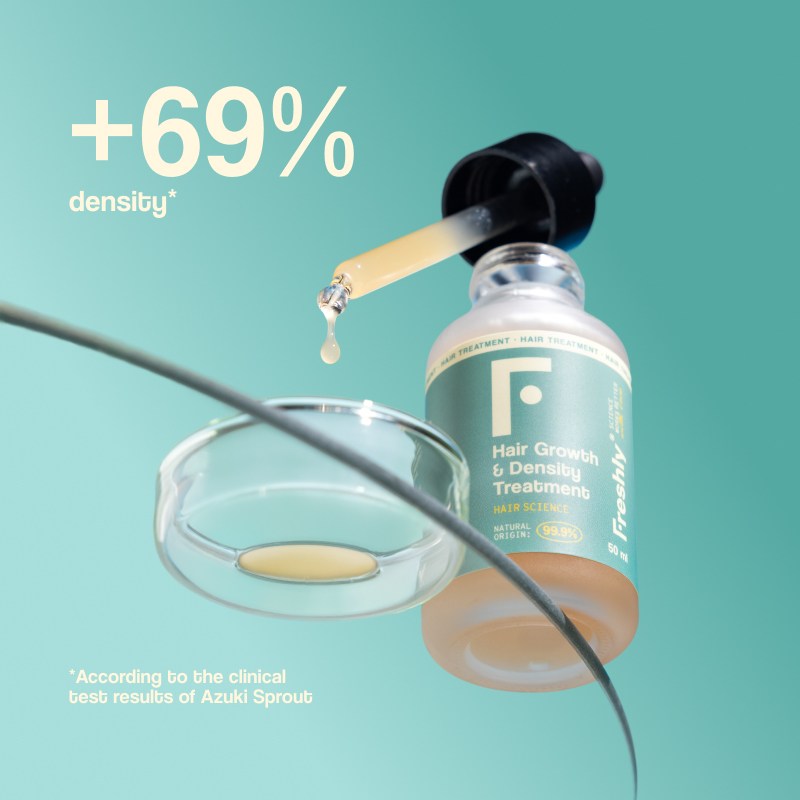
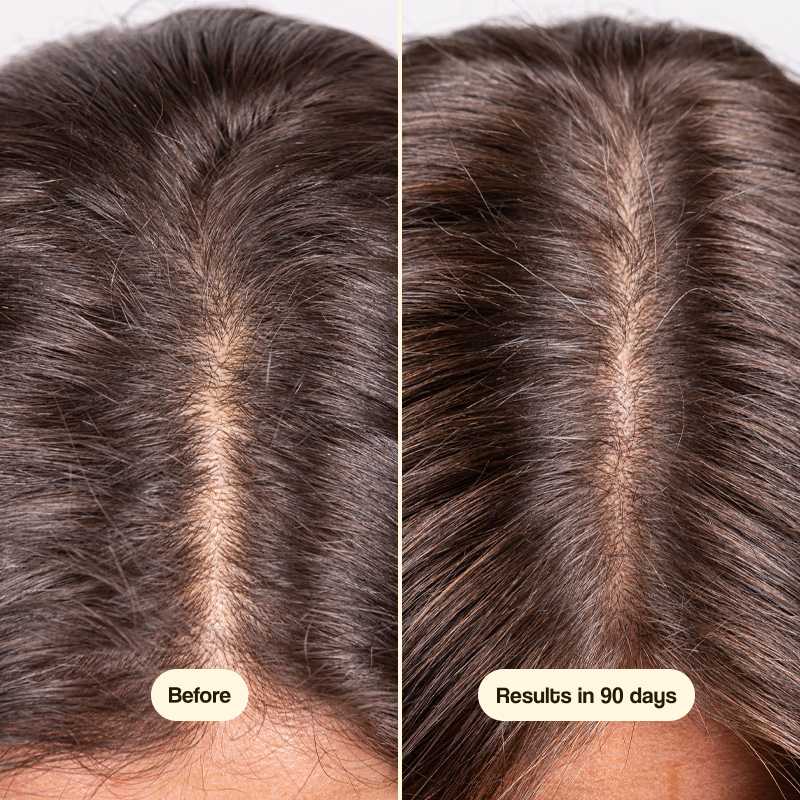
- Reduces hair loss by 57% (Turmeric Peptide) and increases hair density by 69% (Azuki Sprout).
- Targets the three main causes of hair loss: hormonal imbalance, stress, and lack of scalp circulation.
- Strengthens hair anchorage by 31% (Amla) for a more resilient root.
- Stimulates hair growth by activating the dermal papilla (Turmeric Peptide and AnaGain)
- Restores the altered hair cycle for healthy and strong growth
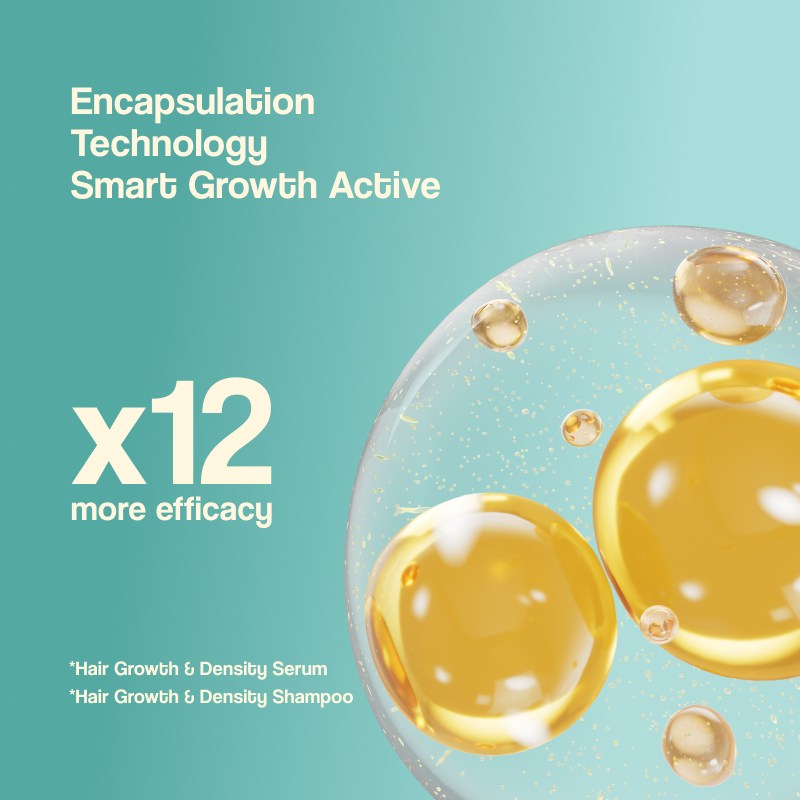
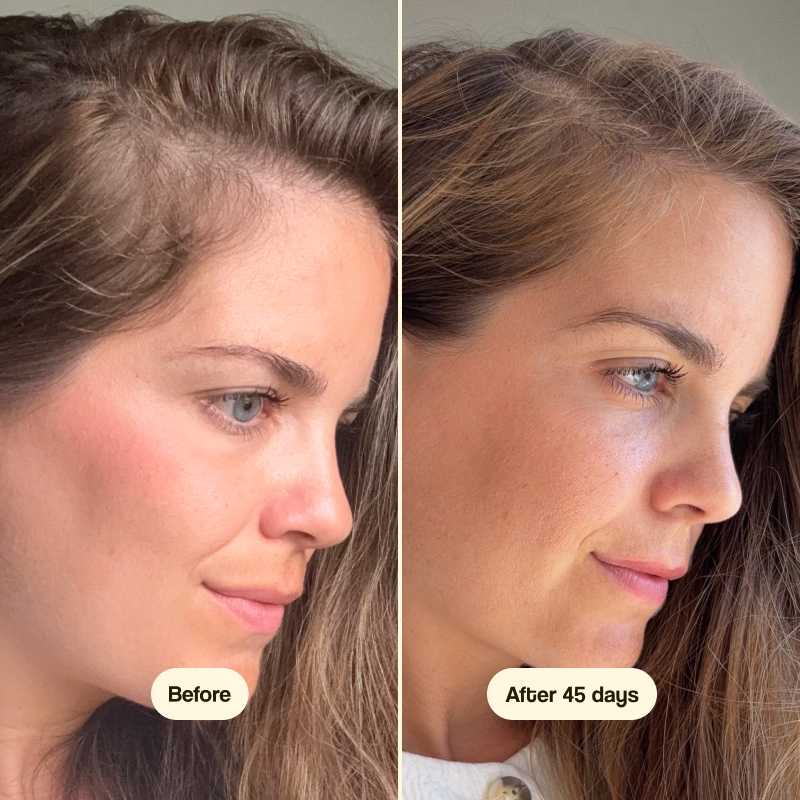
Boost your hair's natural growth. Free from sulfates, silicones, and parabens, this routine reduces hair loss caused by hormonal imbalances, poor circulation, stress impact on the follicle, and the use of harsh products on the scalp. Thanks to its Smart Growth Activator encapsulation technology, the active ingredient penetrates intact and is released directly into the hair follicle, reducing hair loss and increasing hair density in 90 days. Results are enhanced with the Hair Growth shampoo, as it cleanses the scalp's surface and allows the serum to work more effectively. Additionally, being formulated with over 99% natural ingredients, this anti-hair loss pack does not cause rebound effects and does not interfere with the hormonal process, making it suitable for pregnancy, breastfeeding, and postpartum.
Remember! When switching to a natural shampoo, a transition period is necessary for your hair to shed all types of residues (silicones, sulfates...). Give it time (about 15 days) and you'll start to notice it feeling cleaner, stronger, and healthier. Choosing a shampoo without silicones or sulfates is a commitment to your hair's health, and even though it needs a few days to adapt, it's worth it.
- Formulas 99%+ natural
- Dermatologically tested
- Suitable for pregnant women, postpartum, and breastfeeding
- Suitable for sensitive and oily scalps
- For daily use and no rebound effect
- Free from sulfates, silicones, and parabens
- Does not contain steroids, synthetic prostaglandins, finasteride, bimatoprost, minoxidil, or isopropyl cloprostenol
250 ml, 50 ml | Natural fragrance (only in the shampoo) | Glass bottle (serum) and sustainable aluminium packaging (shampoo)
In the shower
- Apply the Hair Growth & Density Shampoo to damp hair and rinse.
- Repeat and massage, stimulating scalp circulation. Leave it on for 2-3 minutes.
- Then rinse with plenty of cold or lukewarm water. Remember to avoid hot water!
TIP! Apply a natural conditioner after the shampoo to help detangle your hair and give it hydration and shine.
At night
- Shake the Hair Growth & Density Treatment before use to blend the natural ingredients well.
- Every night, before going to sleep and on dry hair, fill a full pipette (1 ml) and distribute it in drops over different points of your scalp, parting your hair so the drops penetrate the hair follicle.
- Gently massage to spread the product well with your fingers, stimulating microcirculation and promoting full absorption. Remember! No rinsing needed.
Strength & Growth Pack
*Ingredients from organic farming
**Derived from natural essential oils
INCI (Ingredients List) Hair Growth & Density Treatment:
,
,
,
,
,
,
,
,
,
,
,
,
,
,
,
,
,
,
,
,
,
,
,
,
,
,
,
,
,
,
,
,
,
,
,
,
,
,
,
,
,
,
,
close
WATER
Extraction: water is an element present in most cosmetic products and is the most important raw material. In the cosmetics industry, purified water is used in a process to eliminate any solid particle that may contain water in order to achieve a higher degree of purity and quality.
Benefits: water helps to cleanse the body. Hydrates and improves the effect of other active ingredients, provides softness and delays premature aging of the skin.
close
PENTYLENE GLYCOL
Extraction: natural pentylene glycol is obtained from renewable plant-based sources such as sugar cane or maize.
Benefits: commonly used in moisturising creams and lotions for its hydrating properties, which help retain moisture in the skin. It also has antibacterial and preservative effects, helping other active ingredients act better on the skin.
close
PROPANEDIOL
Extraction: 100% natural ingredient obtained from sugarcane and approved by Ecocert. It is biodegradable, making it the perfect natural alternative to petroleum glycols.
Benefits: it is used in cosmetics as a moisturizing agent, solvent and emollient. Its sensory properties help reduce skin irritations. They also control viscosity.
close
ISOMALT
Sourcing: vegetable origin.
Benefits: it is an excipient of the formulation, specifically a humectant, it maintains the water content of the formulation.
close
VEGETABLE GLYCERIN
Extraction: it is harvested from plants (soy or coconut oil for example) by hydrolysis of fats and by fermenting sugars. Glycerol is found naturally in skin and is considered a self-healing compound.
Benefits: it is one of the many substances in the skin that helps maintain the outer barrier and prevents dryness and peeling. It leaves skin feeling nourished and works to treat acne. It also prevents the accumulation of fat and improves the appearance of hair. Vegetable glycerin can be used as a diluent and as an alcohol substitute when preparing herbal extracts.
close
PANTHENOL
Extraction: Panthenol is derived from vitamin B5, obtained from pantothenic acid, which is found in foods like vegetables and cereals.
Benefits: Panthenol deeply hydrates, improves elasticity, and repairs both hair and skin. It strengthens the hair fibre, reduces frizz, and soothes irritations. Additionally, on the skin, it promotes cell regeneration, providing softness, shine, and protection against external aggressions.
close
ARGININE
Extraction: arginine is an amino acid obtained by biofermentation. It is one of the main components of hair keratin. Acts as a source of nitrogen for proper cell function, generating a vasodilator effect that improves blood circulation.
Benefits: used in many formulas as a natural stabiliser, much safer than conventional alkaline agents, it is known for its effectiveness in fighting hair loss. It is biodegradable.
close
MANNITOL
Sourcing: Natural, extracted from trees, seaweed or mushrooms.
Benefits: Moisturises, strengthens the skin barrier and regulates scalp desquamation.
close
SCLEROTIUM GUM
Extraction: it is a polysaccharide composed of glucose monomers which are produced by the filamentous bacterium Sclerotium rolfssii via fermentation processes.
Benefit: it is a very versatile ingredient that improves the texture of cosmetic products. It is used as a thickening agent and has a gel texture. It also acts as a natural moisturizer and works to soften skin.
close
CONDITIONING MEDIUM OF TURMERIC"
Extraction: turmeric is a tropical and subtropical plant, characterised by its orange rhizomes, highly branched and cylindrical. This rhizome is a modified root, which acts as a storage and resistance organ.
Benefits: it is used for the prevention and reduction of hair loss, achieving an increase in density. It is also an important stimulator of follicular activity, optimising the hair cycle and providing improvements in the density, strength and health of the hair.
close
MACA ROOT EXTRACT
Sourcing: maca tuber root extract.
Benefits: repairing, strengthening and protecting the hair fibre, while increasing its elasticity and reducing hair loss.
close
EPIGALLOCATECHIN GALLATE
Sourcing: Epigallocatechin gallate (EGCG) is a natural polyphenol extracted from the leaves of green tea (Camellia sinensis), where it is the most abundant and active catechin.
Benefits: EGCG stands out for its powerful antioxidant capacity: it neutralises free radicals (ROS) and limits lipid peroxidation, helping to protect the skin against oxidative stress and the damage associated with premature ageing. It also helps to attenuate pro-inflammatory mediators, supporting calmer, more balanced skin, and provides protection against environmental stressors.
close
PISUM SATIVUM SPORUT EXTRACT
Sourcing: Optained by soaking organic pea seeds in water and then transferring them to rotating containers that provide drainage, light, aeration and agitation.
Benefits: increase the coefficient of hair growth, by activation in the dermal papilla of specific signal molecules that are required to initiate the growth of new hair.
close
AMLA FRUIT
Extraction: also known as the Indian gooseberry, the Amla is a small tree of the euphorbiaceae family. It is found in tropical and subtropical regions of Asia.
Benefits: plant derived, it maintains the skin in optimal conditions and acts as a moisturiser.
close
SOYBEAN GERM EXTRACT
Extraction: soy is an herbaceous plant of the leguminous family whose seeds have a great nutritional value. Its extract is highly valued in cosmetics for its properties.
Benefits: it has moisturising, regenerating, protective and softening properties. Soy is also a rich source of protein and other essential nutrients such as potassium or zinc. It is a powerful antioxidant agent due to its isoflavone content.
close
WHEAT GERM EXTRACT
Extraction: it is obtained from the wheat germ, that belongs to the family of grasses, providing vitamin E.
Benefits: it has an outstanding antioxidant property and a huge cell regeneration and healing capacity. It improves blood circulation and gives a healthier appearance to the skin. Its antioxidant properties delay skin ageing, preventing wrinkles and providing greater skin firmness.
close
BAIKAL SKULLCAP ROOT EXTRACT
Extraction: it is extracted from the root of the Scutellaria Baicalensis, a plant from the Lamiaceae family that is part of the 50 essential herbs used in traditional Chinese medicine.
Benefits: several bioactive compunds, such as flavonoids, are extarcted from its root. They have important anti-inflammatiry and antieczematous properties, in addition to numerous pharmacological properties.
close
MUNG BEAN SPROUTS AND RED CLOVER
Extraction: the mung bean is one of the most nutritious varieties of legumes, characterised by its easy digestion. In the case of red clover, also a member of the legume family, it is a plant found in Europe, Africa, or Asia, being one of the most important sources of isoflavones.
Benefits: it has demonstrated its functionality in the recovery of the health of the follicular cycle, as well as in generating an increase in hair density.
close
GINKGO BILOBA LEAF EXTRACT
Sourcing: Ginkgo Biloba leaves.
Benefits: Increases microcirculation in the scalp favouring the arrival of nutrients to the hair.
close
ZINC PCA
Extraction: Zinc PCA is the zinc salt of pyrrolidone carboxylic acid (PCA) of natural origin.
Benefits: It is important for various functions of the dermis, specifically those with oily scalp and skin. Participates in the control of the sebum production of sebaceous glands, reduces the accumulation of yeast, bacteria and fungi that can cause itching, inflammation and discomfort. It has astringent, antibacterial and sebum-regulating effects. It is known for its effectiveness in eliminating dandruff, as it controls and prevents its spread
close
VITAMIN B6 (PYRIDOXINE HYDROCHLORIDE)
ORAL
A B-group vitamin, supplied as pyridoxine hydrochloride, key to amino acid metabolism. Vitamin B6 contributes to normal cysteine synthesis, to normal protein metabolism and to the normal functioning of the nervous system.
close
SERENOA SERRULATA FRUIT EXTRACT
Sourcing: Extract from the fruit of the Serenoa Serrulata palm tree.
Benefits: Anti-inflammatory and moisturising activity.
close
FOSFATIDILCOLINA
Sourcing: vegetable, obtained from soya pods.
Benefits: lipids, very similar to those in the skin's lipid barrier, helps skin regeneration.
close
PHOSPHOLIPIDS
Obtainment: It is a type of lipids present in plant cells that are obtained through biotechnological process from soy.
Benefits: Phospholipids are essential natural components of cell membranes and, for this reason, they reinforce the skin barrier when they are included in a cosmetic formula. They also act as moisturising agents.
close
MELATONIN
Source: melatonin is a molecule naturally present in both plants and animals. The one used in cosmetics can be obtained synthetically or be of botanical origin, for example from grapes (Vitis vinifera).
Benefits: it is a powerful antioxidant that helps neutralise the free radicals (ROS) generated by oxidative stress, protecting cells against premature ageing. As it is linked to the body's biological rhythms, it is also associated with the skin's repair and renewal processes that take place overnight.
close
AZELAIC ACID
Extraction: It is a linear chain dicharboxylic acid found in cereals such as wheat, rye and barley.
Benefits: It helps the skin to renew itself more quickly, thus reducing the appearance of pimples and blackheads. It also has proven effects on acne and rosacea.
close
CETYL ALCOHOL
Extraction: fatty alcohol obtained from coconut, therefore it is natural harvested.
Benefits: it is used as emollient, emulsifier, thickener and conductor for other ingredients in cosmetic solutions. It also works to allow the product more coverage and to be easily spread and blended into skin.
close
SORBITAN OLEATE
Sourcing: vegetable origin
Benefits: its function is to help mix the aqueous phase with the oil in the formulation.
close
STERAMINE
Sourcing: synthetic.
Benefits: Reduces static electricity and acts as a hair conditioner.
close
GLUCONOLACTONE
Extraction: gluconic acid ester obtained via bio-fermentation.
Benefits: a composed of multiple hydroxyl groups that attract water, leading to increased skin hydration. In other words, it acts as a humectant.
close
DIMIRISTOIL FOSFATIDILCOLINE
Sourcing: vegetable, obtained from soya pods.
Benefits: lipids very similar to those in the lipid barrier of the skin.
close
LACTOBACILLUS FERMENT
Extraction: This probiotic-based ingredient is obtained from the fermentation of Lactobacillus. This lactic acid microorganism is used in the diet of different cultures. In Korea, they are derived from the cabbage.
Benefits: It has a broad spectrum of antimicrobial protection. It is a natural and safe alternative to synthetic products.
close
XANTHAN GUM
Extraction: natural polysaccharide of high natural weight derived from the fermentation of carbohydrates such as glucose or corn syrup.
Benefits: it is used as a binder, emulsion stabilizer and skin conditioning agent in a wide variety of cosmetics and personal care products. 1% of xanthan gum is used for cosmetic formulations.
close
LACTIC ACID
Extraction: Lactic acid is obtained from the natural fermentation of sugars and is used to adjust the pH of cosmetic products due to its acidic nature.
Benefits: This ingredient allows cosmetics to be milder for skin and hair.
close
POLYGLYCERYL-4 LAURATE/SEBACATE
Extraction: lauric acid ester, a saturated fatty acid with antibacterial properties, and Polyglycerin-4. It is a natural, biodegradable ingredient approved by Ecocert.
Benefits: acts as a skin conditioner, emollient, solubilizer and emulsifying agent.
close
POLYGLYCERYL-6 CAPRYLATE / CAPRATE
Extraction: caprylic acid monoester, a saturated fatty acid with antifungal properties, and Polyglycerin-6. It is a natural, biodegradable ingredient approved by Ecocert.
Benefits: acts as a skin conditioner, emollient, solubilizer and emulsifying agent.
close
POLYGLYCERIN-6
Sourcing: Glycerine polymer.
Benefits: Acts as a moisturiser, solubiliser and skin conditioning agent.
close
PHYTIC ACID
Extraction: it is an organic acid that contains phosphorous present in plants, especially in seeds and fibre.
Benefits: it reduces wrinkles that are extinguished by the underlying layer of the skin. In the same way, it hydrates and accelerates the natural peeling process of the skin, exfoliating deeply. It is also a chelating agent.
close
POTASSIUM SORBATE
Extraction: is the potassium salt of sorbic acid that occurs naturally in mountain berries (Sorbus aucuparia).
Benefits: acts as a preservative, protecting cosmetics from deterioration by preventing or delaying the growth and reproduction of microorganisms. This compound is easily metabolized by the body and produces water and CO2, therefore it is completely harmless.
close
CITRIC ACID
Extraction: citric acid is a weak organic acid found in fruits such as lemons and oranges. Lemon juice contains approximately 5-8% citric acid.
Benefits: citric acid and its salts: Diammonium, Potassium and Sodium help to preserve cosmetics since they are metal chelating agents. Citric acid and its salts are also added to cosmetics to help regulate the acid / base levels. Functions as a powerful antioxidant and helps to regulate and maintain skin’s hydration and elasticity.
close
SODIUM BENZOATE
Extraction: benzoic acid salt that is naturally found in blueberries, prunes, cinnamon and apple.
Benefits: it is used as a cosmetic preservative to prevent the growth and proliferation of fungi and bacteria in the products.
close
SODIUM GLUCONATE
Extraction: Manufactured by fermentation of glucose syrup derived from the corn renewable raw material.
Benefits: It is a chelating agent that inactivates metal ions to prevent deterioration of cosmetic products
close
CALCIUM GLUCONATE
Extraction: Calcium salt from gluconic acid.
Benefits: It is used as a skin humectant and conditioning agent in cosmetic formulations.
close
SODIUM CHLORIDE
Extraction: sodium chloride is obtained from the mineral halite and is commonly known as table salt. It is a mineral essential for all biological organisms and is found in most tissues and body fluids.
Benefits: it is used to give flavour and to thicken the aqueous portion of beauty care products.
INCI (Ingredients List) Hair Growth & Density Shampoo:
,
,
,
,
,
,
,
,
,
,
,
,
,
,
,
,
,
,
,
,
,
,
,
,
,
,
,
,
,
,
,
,
,
,
,
,
,
,
,
,
,
,
,
,
,
,
,
,
,
,
,
,
,
,
,
,
,
close
ALOE VERA JUICE

Extraction: Aloe Vera is a perennial plant native to warm climates. The gel contained in its leaves is commonly used in skin treatments due to its many beneficial properties.
Benefits: Known as an astringent, this plant also has moisturizing, regenerating, rejuvenating and antibacterial properties. These properties are perfect for revitalizing skin. It also functions as a deep cleansing agent, opening pores and eliminating toxins that cause the disruptions in the skin’s normal functioning. It also benefits the hair by restoring shine and helping to eliminate excess dandruff and scalp irritations. It is used especially effective for treating skin irritations, blemishes and acne.
close
WATER
Extraction: water is an element present in most cosmetic products and is the most important raw material. In the cosmetics industry, purified water is used in a process to eliminate any solid particle that may contain water in order to achieve a higher degree of purity and quality.
Benefits: water helps to cleanse the body. Hydrates and improves the effect of other active ingredients, provides softness and delays premature aging of the skin.
close
COCO GLUCOSIDE
Extraction: non-ionic surfactant and co-surfactant of vegetable origin, biodegradable and very suitable for use in shampoos and shower gels. It is obtained from renewable raw materials such as coconut oil and the sugar found in fruits.
Benefits: it reduces the potential for irritation caused by surfactants and improves hair styling, in addition to softening it.
close
DECYL GLUCOSIDE
Extraction: natural non-ionic surfactant derived from coconut oil and glucose.
Benefits: used in the formulation of personal hygiene products in which abundant foam is desired. It also works as a mild cleanser and maintains skin’s natural pH balance. It is 100% biodegradable, making it environmentally friendly and suitable for all skin types.
close
DISODIUM COCOYL GLUTAMATE
Extraction: It is obtained from coconut oil and fermented sugar. This surfactant is one of the most gentle and respectful to the skin so it is tolerated by all types of skins.
Benefits: In addition to being an excellent cleaner and foam generator, it is also eco-friendly.
close
PLANT GLYCOLIPIDS
Obtainment: it comes from sugar cane, so it is a 100% natural and biodegradable product.
Benefits: It has a great cleansing power, superior to the most common solubilizers. It generates a creamy foam highly compatible with the skin, able to remove even the most stubborn makeup residues. It is used as a biodegradable and biocompatible alternative to synthetic surfactants.
close
CAPRYLYL / CAPRYL GLUCOSIDE
Extraction: solubilizer and non-ionic surfactant obtained from raw vegetable materials such as coconut.
Benefits: it is a mild ingredient that allows cosmetics products to obtain the desired foamy effect. It acts as a surfactant by helping water mix with oil and remove dirt.
close
VEGETABLE GLYCERIN
Extraction: it is harvested from plants (soy or coconut oil for example) by hydrolysis of fats and by fermenting sugars. Glycerol is found naturally in skin and is considered a self-healing compound.
Benefits: it is one of the many substances in the skin that helps maintain the outer barrier and prevents dryness and peeling. It leaves skin feeling nourished and works to treat acne. It also prevents the accumulation of fat and improves the appearance of hair. Vegetable glycerin can be used as a diluent and as an alcohol substitute when preparing herbal extracts.
close
PCA GLYCERYL OLEATE
Extraction: this ester is obtained from the saponification (transformation of a fatty body into soap) and esterification of vegetable oils and sugars of natural origin.
Benefits: excellent conditioner used in hair care products given its ability to improve wet styling and reduce frizz. This ingredient adheres to the cuticles and renews the lipid layer of the hair.
close
VEGETABLE INULIN
Extraction: a fructose polysaccharide extracted from plants. It is ideal for the production of shampoos. It is usually extracted from chicory (vegetable) root, but it is also present in other types of vegetables and also in garlic, onion, wheat, asparagus, artichoke...
Benefits: excellent moisturizer for skin and hair. It smooths skin and hair and acts as a natural non-ionic hair conditioner to smoothen hair fibres. Suitable for all hair and skin types.
close
MALTOOLIGOSYL GLUCOSIDE
Extraction: It is a carbohydrate polysaccharide that is naturally derived and then combined with a starch.
Benefits: It has multiple functions in cosmetics, including binding agent, emulsifier, moisturiser, texture enhancer, and film-forming agent. Sometimes used as an alternative to glycerine, maltooligosyl glycoside gives cosmetic products a smooth feel and has soothing properties.
close
SODIUM COCOYL GLUTAMATE
Extraction: sodium salt of cocoyl-glutamic acid. This natural ingredient is extracted directly from coconut oil.
Benefits: surfactant and cleaning agent.
close
PROPANEDIOL
Extraction: 100% natural ingredient obtained from sugarcane and approved by Ecocert. It is biodegradable, making it the perfect natural alternative to petroleum glycols.
Benefits: it is used in cosmetics as a moisturizing agent, solvent and emollient. Its sensory properties help reduce skin irritations. They also control viscosity.
close
LACTIC ACID
Extraction: Lactic acid is obtained from the natural fermentation of sugars and is used to adjust the pH of cosmetic products due to its acidic nature.
Benefits: This ingredient allows cosmetics to be milder for skin and hair.
close
HYDROLYZED WHEAT PROTEIN
Extraction: it comes from the controlled enzymatic hydrolysis of wheat and is gluten free. It is rich in proteins and amino acids, essential elements for a healthy metabolism.
Benefits: it increases skin’s firmness and helps to form a film to retain moisture and provide luminosity. It prevents the skin from drying out and diminishes the appearance of wrinkles. It nourishes and repairs hair, detangles, provides shine and hydration.
close
HIDROLIZADO DE ALMIDÓN DE MAÍZ HIDROGENADO
Extraction: it is produced by partial hydrolysis of corn, wheat or potato starch.
Benefits: It is used in cosmetics as a moisturiser to keep water in products, as well as on the skin.
close
MACA ROOT EXTRACT
Sourcing: maca tuber root extract.
Benefits: repairing, strengthening and protecting the hair fibre, while increasing its elasticity and reducing hair loss.
close
MANNITOL
Sourcing: Natural, extracted from trees, seaweed or mushrooms.
Benefits: Moisturises, strengthens the skin barrier and regulates scalp desquamation.
close
FOSFATIDILCOLINA
Sourcing: vegetable, obtained from soya pods.
Benefits: lipids, very similar to those in the skin's lipid barrier, helps skin regeneration.
close
ROSEMARY
Extraction: rosemary is an aromatic, woody, evergreen shrub with many small branches. It can grow up to 2 meters in height. It grows on all types of soils, preferably dry, somewhat sandy and permeable soils. Its extract is obtained from the rosemary leaves via a maceration process.
Benefits: this rosemary extract provides significant anti-inflammatory and antibacterial properties thanks to its high concentration of rosmarinic acid, which is used to treat sensitive and irritated skin. On the other hand, its carnosic acid and carnosol content act as antimicrobial agents, protecting against gram-positive and gram-negative bacteria. In general, this extract has a remarkable antiseptic and astringent properties which help to repair and strengthen hair growth from root to tip.
close
CONDITIONING MEDIUM OF TURMERIC"
Extraction: turmeric is a tropical and subtropical plant, characterised by its orange rhizomes, highly branched and cylindrical. This rhizome is a modified root, which acts as a storage and resistance organ.
Benefits: it is used for the prevention and reduction of hair loss, achieving an increase in density. It is also an important stimulator of follicular activity, optimising the hair cycle and providing improvements in the density, strength and health of the hair.
close
BAIKAL SKULLCAP ROOT EXTRACT
Extraction: it is extracted from the root of the Scutellaria Baicalensis, a plant from the Lamiaceae family that is part of the 50 essential herbs used in traditional Chinese medicine.
Benefits: several bioactive compunds, such as flavonoids, are extarcted from its root. They have important anti-inflammatiry and antieczematous properties, in addition to numerous pharmacological properties.
close
STINGING NETTLE
Obtaining: the stinging nettle or major nettle is a perennial herbaceous plant. Its leaf contains chlorophyll, carotene, vitamins, minerals, acids and flavonoids.
Benefits: this plant offers high antioxidant protection. It soothes irritation, cleanses the pores and stimulates cell regeneration, regulating the production of sebum.
close
SALVIA OFFICINALIS
Extraction: sage leaf extract is widely used in cosmetics. It is known for its aroma and its great refreshing and calming effect.
Benefits: composed of pentacyclic triterpenes, flavonoids, rosmarinic acid and carnosol. It has great antiseptic and antioxidant properties. It is ideal for mature and devitalized skin, as well as for the treatment of various affections of the hair and scalp.
close
BIRCH
Extraction: the birch is a large tree of the Betulaceae family, originally from Eurasia. Its leaves have a slightly aromatic smell, and are rich in saponins, tannins and flavonoids.
Benefits: it is very popular for its astringent properties. It heals and calms the skin, helping to fight various disorders. It also helps to improve the elasticity of the skin, having a conditioning and firming effect on skin.
close
LIME TREE
Obtaining: the lime tree is a tree species of the Malvaceae family, common in the forests of Europe. Its flowers are yellowish-white. Its main active ingredients are flavonoids and mucilage.
Benefits: It has important decongestant properties and is very refreshing. It is used in cosmetic products that moisturise and soothe skin.
close
HORSE TAIL
Extraction: equistem, commonly known as horsetail, is part of the vascular plant family and resembles alfalfa. Silica absorption is not usual among plants that grow on Earth, but horsetail is an exception.
Benefits: it is known for its anti-inflammatory properties, is an antioxidant and antiseptic and has antimicrobial and healing properties, making it beneficial for the body. It purifies skin deep down, helps to improve acne and is an excellent natural remedy to fight against stretch marks. This ingredient helps improve hair growth, treats dandruff and acts as a natural conditioner.
close
ARGININE
Extraction: arginine is an amino acid obtained by biofermentation. It is one of the main components of hair keratin. Acts as a source of nitrogen for proper cell function, generating a vasodilator effect that improves blood circulation.
Benefits: used in many formulas as a natural stabiliser, much safer than conventional alkaline agents, it is known for its effectiveness in fighting hair loss. It is biodegradable.
close
IRISH MOSS
Extraction: Irish moss extract is a mucilage extracted from Chondrus crispus algae. Later, it is dried and pulverized. When rehydrated this extract is very versatile, it can be used as a thickening agent or for the production of resistant films.
Benefits: excellent moisturizing agent. Copolymers are typically used in hair products to form transparent gels. Irish moss extract an excellent natural alternative. It gently cleans and sooths skin and hair. It also has anti-inflammatory properties.
close
PERFUME
Perfume
close
GLYCERYL OLEATE
Extraction: natural monoester derived from glycerol and oleic acid. Creates water-oil emulsions where water is the most abundant compound, but it can also be used as a co-emulsifier and thickener for formulations where the composition is mostly oil.
Benefits: it is used as an emulsifier and non-ionic co-surfactant in various skin and hair care products. Leaves the skin feeling soft and smooth.
close
SORBITAN OLEATE
Sourcing: vegetable origin
Benefits: its function is to help mix the aqueous phase with the oil in the formulation.
close
PENTYLENE GLYCOL
Extraction: natural pentylene glycol is obtained from renewable plant-based sources such as sugar cane or maize.
Benefits: commonly used in moisturising creams and lotions for its hydrating properties, which help retain moisture in the skin. It also has antibacterial and preservative effects, helping other active ingredients act better on the skin.
close
SOYBEAN GERM EXTRACT
Extraction: soy is an herbaceous plant of the leguminous family whose seeds have a great nutritional value. Its extract is highly valued in cosmetics for its properties.
Benefits: it has moisturising, regenerating, protective and softening properties. Soy is also a rich source of protein and other essential nutrients such as potassium or zinc. It is a powerful antioxidant agent due to its isoflavone content.
close
WHEAT GERM EXTRACT
Extraction: it is obtained from the wheat germ, that belongs to the family of grasses, providing vitamin E.
Benefits: it has an outstanding antioxidant property and a huge cell regeneration and healing capacity. It improves blood circulation and gives a healthier appearance to the skin. Its antioxidant properties delay skin ageing, preventing wrinkles and providing greater skin firmness.
close
STERAMINE
Sourcing: synthetic.
Benefits: Reduces static electricity and acts as a hair conditioner.
close
XANTHAN GUM
Extraction: natural polysaccharide of high natural weight derived from the fermentation of carbohydrates such as glucose or corn syrup.
Benefits: it is used as a binder, emulsion stabilizer and skin conditioning agent in a wide variety of cosmetics and personal care products. 1% of xanthan gum is used for cosmetic formulations.
close
VITAMIN E
Extraction: tocopherol or vitamin E, is naturally found in vegetable fats and oils, cereals, nuts and green and yellow leafy vegetables.
Benefits: it is used in cosmetics for its antioxidant properties and also acts as a skin conditioning agent. Reduces the appearance of stretch marks, helps improve skin tone, moisturizes and helps keep skin firm. For hair care, Holy Basil helps improve the blood circulation in the scalp which stimulates hair growth and helps to condition hair and provide shine.
close
CETYL ALCOHOL
Extraction: fatty alcohol obtained from coconut, therefore it is natural harvested.
Benefits: it is used as emollient, emulsifier, thickener and conductor for other ingredients in cosmetic solutions. It also works to allow the product more coverage and to be easily spread and blended into skin.
close
DIMIRISTOIL FOSFATIDILCOLINE
Sourcing: vegetable, obtained from soya pods.
Benefits: lipids very similar to those in the lipid barrier of the skin.
close
SODIUM BENZOATE
Extraction: benzoic acid salt that is naturally found in blueberries, prunes, cinnamon and apple.
Benefits: it is used as a cosmetic preservative to prevent the growth and proliferation of fungi and bacteria in the products.
close
HYDROGENATED PALM GLYCERIDES CITRATE
Extraction: oily liquid derived from vegetable oils and citric acid.
Benefits: it is used as an antioxidant, emollient and skin conditioner.
close
POTASSIUM SORBATE
Extraction: is the potassium salt of sorbic acid that occurs naturally in mountain berries (Sorbus aucuparia).
Benefits: acts as a preservative, protecting cosmetics from deterioration by preventing or delaying the growth and reproduction of microorganisms. This compound is easily metabolized by the body and produces water and CO2, therefore it is completely harmless.
close
GLUCONOLACTONE
Extraction: gluconic acid ester obtained via bio-fermentation.
Benefits: a composed of multiple hydroxyl groups that attract water, leading to increased skin hydration. In other words, it acts as a humectant.
close
BENZYL ALCOHOL
Extraction: benzyl alcohol is a mild preservative widely used in cosmetics for products with an aqueous base. It is produced by fermenting sugary plant solutions and is approved by the certifier “Ecocert”.
Benefits: prevents cosmetics and personal care products from deteriorating and becoming contaminated by preventing the growth and reproduction of microorganisms. It works as an antiseptic, astringent and freshener.
close
PHYTIC ACID
Extraction: it is an organic acid that contains phosphorous present in plants, especially in seeds and fibre.
Benefits: it reduces wrinkles that are extinguished by the underlying layer of the skin. In the same way, it hydrates and accelerates the natural peeling process of the skin, exfoliating deeply. It is also a chelating agent.
close
DEHYDROACETIC ACID
Extraction: dehydroacetic acid is a mild preservative widely used in cosmetics for products.
Benefits: prevents cosmetics and personal care products from deteriorating and becoming contaminated by preventing the growth and reproduction of microorganisms.
close
SODIUM CHLORIDE
Extraction: sodium chloride is obtained from the mineral halite and is commonly known as table salt. It is a mineral essential for all biological organisms and is found in most tissues and body fluids.
Benefits: it is used to give flavour and to thicken the aqueous portion of beauty care products.
close
NATURAL MENTHOL
Extraction: menthol is an alcohol that is extracted from peppermint essential oil. Peppermint is considered the most precious of the mints.
Benefits: helps restore natural pH levels that are deteriorated via the use of conventional shampoos. It offers a delicate and deep cleaning action while removing grease without damaging the hair. It also strengthens hair follicles, refreshes and prevents scalp irritations. It provides both soothing and refreshing properties.
close
CITRIC ACID
Extraction: citric acid is a weak organic acid found in fruits such as lemons and oranges. Lemon juice contains approximately 5-8% citric acid.
Benefits: citric acid and its salts: Diammonium, Potassium and Sodium help to preserve cosmetics since they are metal chelating agents. Citric acid and its salts are also added to cosmetics to help regulate the acid / base levels. Functions as a powerful antioxidant and helps to regulate and maintain skin’s hydration and elasticity.
close
SODIUM PHYTATE
Extraction: sodium salt from phytic acid, a vegetable compound found in corn.
Benefits: it is used in cosmetic products as a chelating agent to prevent the heavy metals.
close
CALCIUM GLUCONATE
Extraction: Calcium salt from gluconic acid.
Benefits: It is used as a skin humectant and conditioning agent in cosmetic formulations.
close
NEROLI OIL
Obtaining: it is obtained from the peel of the fruit of the Citrus aurantium tree, also known as the bitter orange tree, typical of Mediterranean countries.
Benefits: this essential oil is used in perfumes for its fresh and citrusy aroma, and is common in skincare and aromatherapy for its calming and relaxing properties.
close
LEMON ESSENTIAL OIL
Extraction: this essential oil is obtained from the lemon, an acidic citrus fruit high in vitamins, especially in vitamin C.
Benefits: purifies oily skin, opens clogged pores and improves acne-prone skin. Like many scented oils, lemon oil has antioxidant and calming properties which benefit the skin. It also provides benefits on the hair: it increases capillary resistance prevents the scalp from over drying and treats dandruff.
close
LIMONENE
Extraction: it is a monoterpene of natural origin that is found in many citrus fruits such as lemon. It is a colorless liquid with a light, fresh and sweet citrus aroma.
Benefits: widely used to make fragrances and flavors. It is a main component of many essential oils.
close
Geranyl Acetate
Obtaining: Geranyl acetate is a monoterpenic ester naturally found in various essential oils, especially in citronella, palmarosa, geranium, yuzu, and carrot oils.
Benefits: It stands out for its soft, sweet, and floral fragrance, with fruity notes similar to rose or pear. It is frequently used in perfumery and cosmetics as an aromatic ingredient. In addition to its olfactory role, it has antimicrobial and repellent properties.
close
PINENE
Obtaining: Pinene is a natural compound mainly obtained from essential oils derived from pine resins and needles, as well as from other aromatic plants such as rosemary and eucalyptus.
Benefits: In cosmetics, pinene provides antioxidant, soothing, and antimicrobial properties. Its use enhances the formulation of skin and hair products, helping to revitalize, protect, and calm, while also offering freshness and a natural aroma.
close
LINALOOL
Extraction: monoterpene with floral aroma and a touch of menthol. This natural fragrance, is sweet and smooth. It is produced by a wide variety of plants such as mint, cinnamon, citrus fruits and birch trees.
Benefits: widely used to make fragrances and flavors. It is a main component of many essential oils.
At Freshly, we're constantly innovating and improving our formulas. That’s why the list of ingredients is updated regularly and may differ slightly from the label on the product depending on the time of purchase.
Thousands of ingredients are left out of our formulas: parabens, silicones, sulfates, phthalates, plastic particles… Start a routine free from irritants, pollutants, animal-derived ingredients, or anything associated with adverse effects. We only include nutrients that bring real value to your skin's health.
Enhance its benefits with complementary actives!
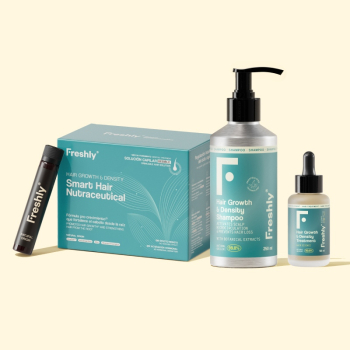
Complete routine for hair loss
Price
From
Regular price
59,96 €
79,95 €
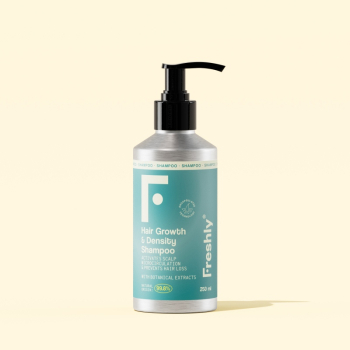
Anti-hair loss shampoo with no rebound effect. 250 ml
Price
From
Regular price
19,95 €
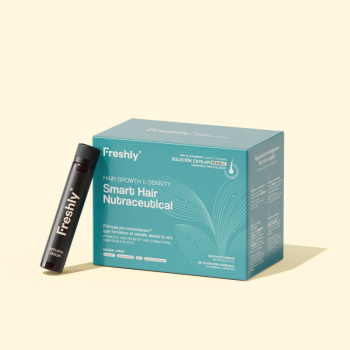
Hair Loss Drinkable Supplement - 28 vials of 25 ml

Price
From
Regular price
29,96 €
39,95 €

Heat protectant and detangler with plant-based keratin
Price
From
Regular price
19,95 €
 4.7
4.7
162 reviews
Strength & Growth Pack
Filters
Ratings
close
Thank you very much for sharing your experience with Freshly!
Thousands of people discover Freshly thanks to reviews like yours. Also, share your experience on Trustpilot and help us grow together.
SHARE ON TRUSTPILOTclose
Thank you very much for sharing your experience with Freshly!
Reviews like yours help us improve every day. Our team will review your case to assist you.
close
⚠️ The comment could not be added.
09/17/2026
Encantada con este pack funciona mui bn💯
09/11/2026
Tras una operación en Junio estoy atravesando el peor momento del efluvio telogeno, la pérdida de cabello y no sabía si este sérum iba a ser de ayuda y tras leer algunas reseñas me lancé a pedirlo y no exagero, tras dos noches utilizándolo, después de lavarme el pelo se me ha caído menos de la mitad de la gran cantidad que se me ha estado cayendo durante estos meses. Obviamente no la ha frenado del todo la caida pero estoy muy sorprendida porque ha sido utilizarlo y notar un cambio incluso en la luminosidad del pelo y la suavidad, ya que durante este periodo el cabello se sentía algo apagado también. Espero que siga dando resultado hasta frenarla del todo.
08/24/2026
Llevo poco tiempo usándolo, pero la verdad es que se me cae menos pelo, seguiré usándolo.
close
How can I use it?
In the shower
Apply the Hair Growth & Density Shampoo to damp hair and rinse.
Repeat and massage, stimulating scalp circulation. Leave it on for 2-3 minutes.
Then rinse with plenty of cold or lukewarm water. Remember to avoid hot water!
TIP! Apply a natural conditioner after the shampoo to help detangle your hair and give it hydration and shine.
At night
Shake the Hair Growth & Density Treatment before use to blend the natural ingredients well.
Every night, before going to sleep and on dry hair, fill a full pipette (1 ml) and distribute it in drops over different points of your scalp, parting your hair so the drops penetrate the hair follicle.
Gently massage to spread the product well with your fingers, stimulating microcirculation and promoting full absorption. Remember! No rinsing needed.
INCI (Ingredients List)
Strength & Growth Pack
*Ingredients from organic farming
**Derived from natural essential oils
INCI (Ingredients List) Hair Growth & Density Treatment:
Aqua , Pentylene Glycol , Propanediol , Isomalt , Glycerin , D-Panthenol , Arginine , Mannitol , Sclerotium Gum , Curcuma Longa Callus Conditioned Media , Lepidium Meyenii Root Extract , Epigallocatechin Gallate , Pisum Sativum Sprout Extract , Phyllanthus Emblica Fruit Extract , Glycine Soja Germ Extract , Triticum Vulgare Germ Extract , Scutellaria Baicalensis Root Extract , (Trifolium Pratense/Vigna Radiata) Sprout Extract , Ginkgo Biloba Leaf Extract , Zinc PCA , vitamin B6 (pyridoxine hydrochloride) , Serenoa Serrulata Fruit Extract , Phosphatidylcholine , Phospholipids , Melatonin , Azelaic Acid , Cetyl Alcohol , Sorbitan Oleate , Stearamine , Gluconolactone , Dimyristoyl Phosphatidylcholine , Lactobacillus Ferment , Xanthan Gum , Lactic Acid , Polyglyceryl-4 Laurate/Sebacate , Polyglyceryl-6 Caprylate/Caprate , Polyglycerin-6 , Phytic Acid , Potassium Sorbate , Citric acid , Sodium Benzoate , Sodium Gluconate , Calcium Gluconate , Sodium Chloride
INCI (Ingredients List) Hair Growth & Density Shampoo:
Aloe Barbadensis Leaf Juice * , Aqua , Coco Glucoside , Decyl Glucoside , Disodium Cocoyl Glutamate , Glycolipids , Caprylyl / Capryl Glucoside , Glycerin , PCA Glyceryl Oleate , Inulin , Maltooligosyl Glucoside , Sodium Cocoyl Glutamate , Propanediol , Lactic Acid , Hydrolyzed Wheat Protein , Hydrogenated Starch Hydrolysate , Lepidium Meyenii Root Extract , Mannitol , Phosphatidylcholine , Rosmarinus Officinalis Leaf Extract , Curcuma Longa Callus Conditioned Media , Scutellaria Baicalensis Root Extract , Urtica Dioica Leaf Extract , Salvia Officinalis Leaf Extract , Betula Alba Leaf Extract , Tilia Platyphyllos Flower Extract , Equisetum Arvense Extract , Arginine , Chondrus Crispus Powder , Parfum , Glyceryl Oleate , Sorbitan Oleate , Pentylene Glycol , Glycine Soja Germ Extract , Triticum Vulgare Germ Extract , Stearamine , Xanthan Gum , Tocopherol , Cetyl Alcohol , Dimyristoyl Phosphatidylcholine , Sodium Benzoate , Hydrogenated Palm Glycerides Citrate , Potassium Sorbate , Gluconolactone , Benzyl Alcohol , Phytic Acid , Dehydroacetic Acid , Sodium Chloride , Menthol , Citric acid , Sodium Phytate , Calcium Gluconate , Citrus Aurantium Peel Oil , Citrus Limon Peel Oil , Limonene ** , GERANYL ACETATE ** , Pinene ** , Linalool **
At Freshly, we're constantly innovating and improving our formulas. That’s why the list of ingredients is updated regularly and may differ slightly from the label on the product depending on the time of purchase.
What don’t we include and why?
Thousands of ingredients are left out of our formulas: parabens, silicones, sulfates, phthalates, plastic particles… Start a routine free from irritants, pollutants, animal-derived ingredients, or anything associated with adverse effects. We only include nutrients that bring real value to your skin's health.