Natural Anti-Wrinkle Sunscreen SPF 50
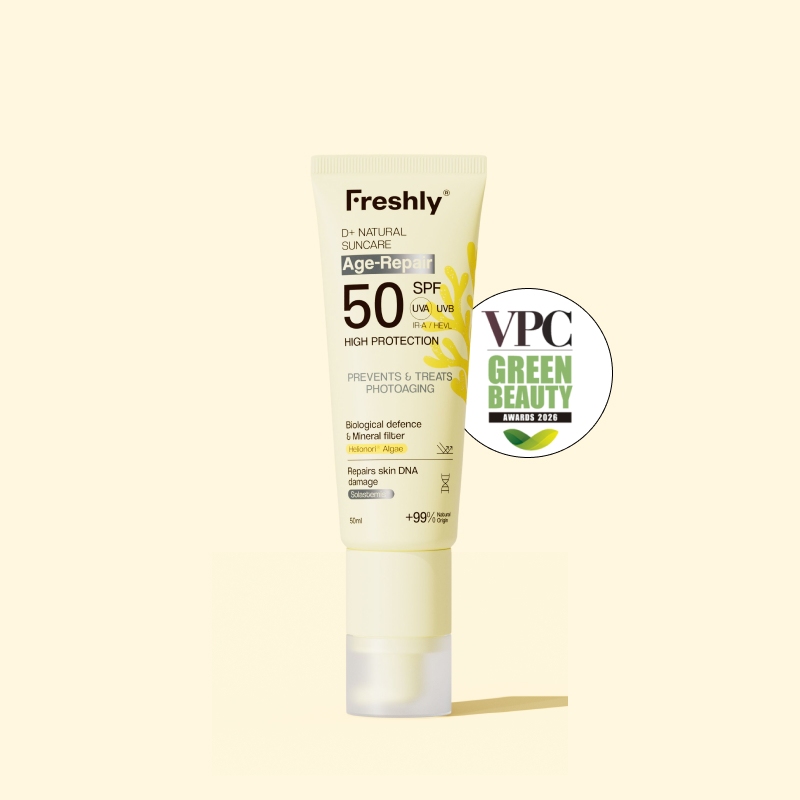
D+ Natural Suncare Age Repair
Reduce wrinkles and spots | No chemical filters | Pro vitamin D
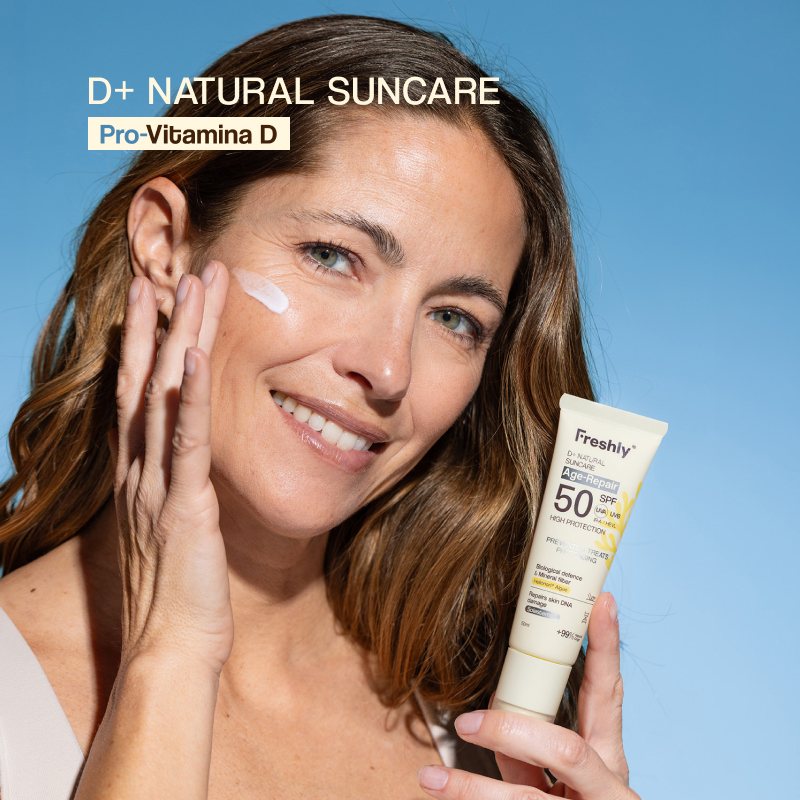
Prevent and reduce the signs of photoaging with an SPF 50 sunscreen free from chemical filters and nanoparticles. This formula offers high broad-spectrum protection with mineral and biological filters. Meanwhile, its regenerating technology helps repair wrinkles and dark spots, improving the skin's physiological age. Additionally, it increases the skin's vitamin D receptors thanks to the exclusive Blue Alga® complex.
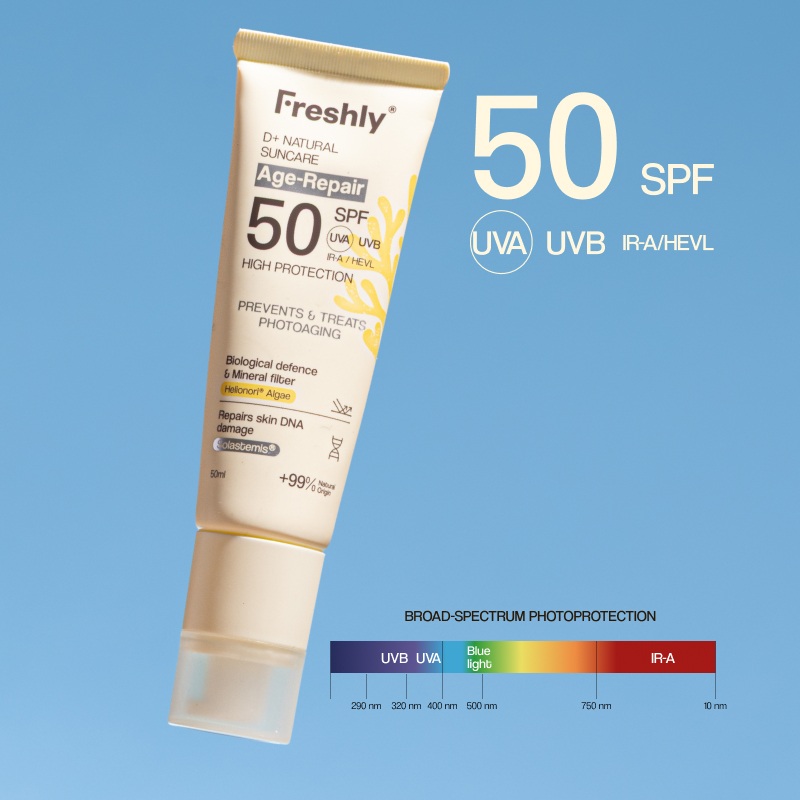
- High protection SPF 50 broad spectrum (UVA, UVB, HEVL, IR-A)
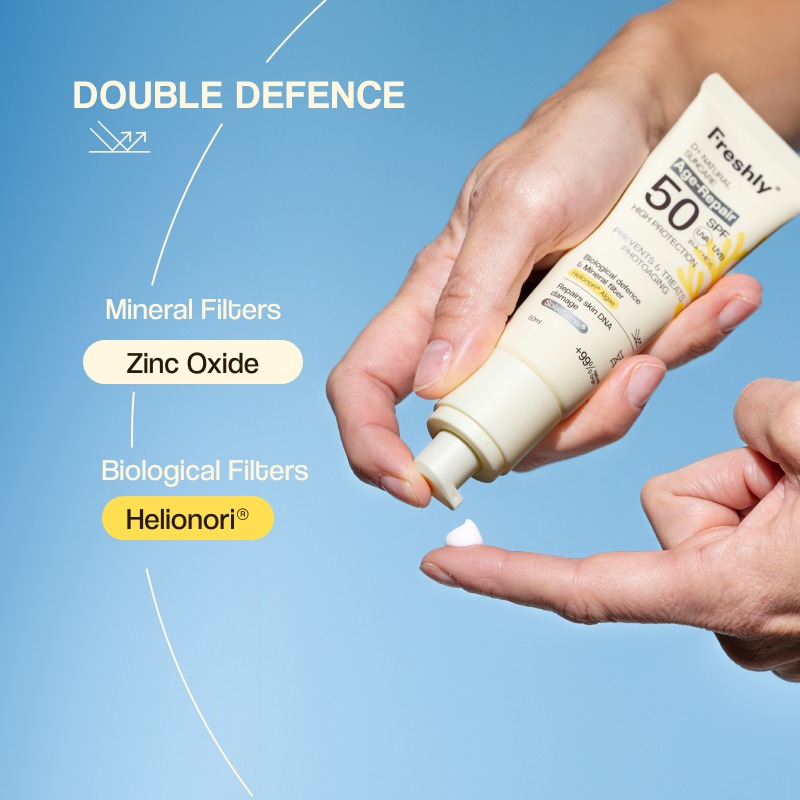
- Double defence with mineral and biological filters
- Firms the skin and reduces and prevents sunspots
- Decreases the physiological age of the skin (-12%) thanks to Solastemis™
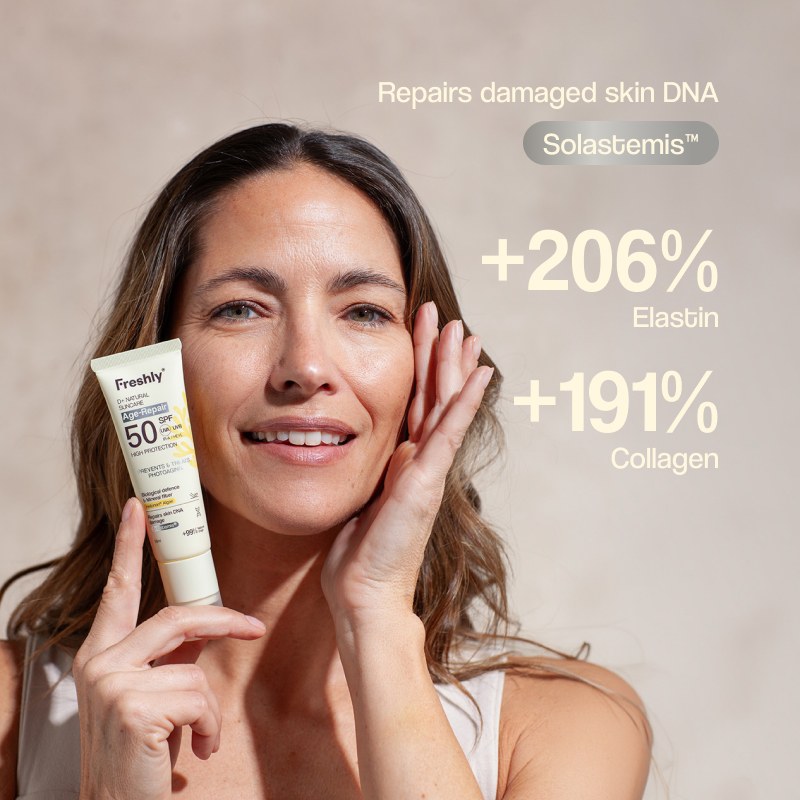
- Increases collagen synthesis (+191%) and elastin (+206%)
- +538% elasticity and up to x15 more hydration (immediate effect)
- Repairs cellular DNA
- Increases Vitamin D receptors (+14%)
- Stimulates serotonin production (+54%)
Can sun damage to the skin be reversed? Loss of firmness, wrinkles, and spots... UV radiation directly affects the DNA of skin cells, degrading the molecules that give structure to the skin – collagen and elastin. It also alters melanocytes, leading to an increase in melanin. The good news is that these signs can be prevented and reversed. To achieve this, Solastemis repairs DNA damage in cells and stimulates collagen synthesis (+191%) and elastin (+206%), while Collapeptyl increases skin elasticity by up to 538%. Additionally, the formula includes Blue Alga®, which enhances the skin's vitamin D receptors and strengthens the skin barrier.
- 99% natural formula
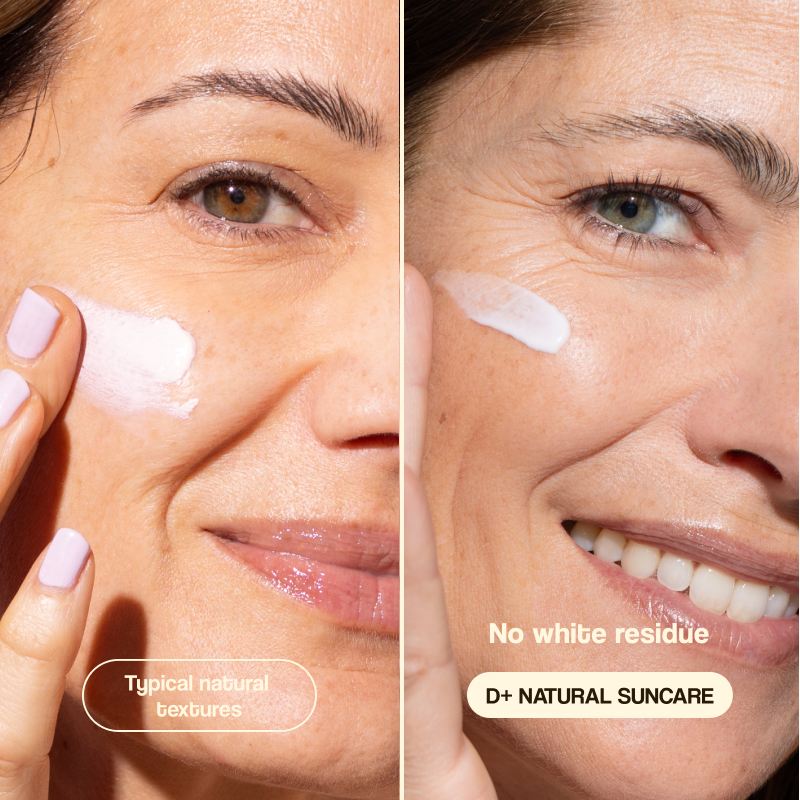
- Fluid texture and fast absorption, suitable for daily use
- Free from chemical filters such as oxybenzone or benzophenones, and titanium dioxide.
- 100% mineral complex based on zinc oxide
- Extra biological protection with Helionori®
- Dermatologically tested on sensitive and atopic skin
- Suitable during pregnancy and breastfeeding
- Biodegradable and respectful of marine ecosystems
50 ml
-
Shake well and apply as the final step in your facial routine before sun exposure, and reapply every 2 hours or after sweating, swimming, or towel drying.
-
Apply an adequate amount: two fingers' worth distributed over your face and neck; remember that reducing this amount decreases the protection factor.
-
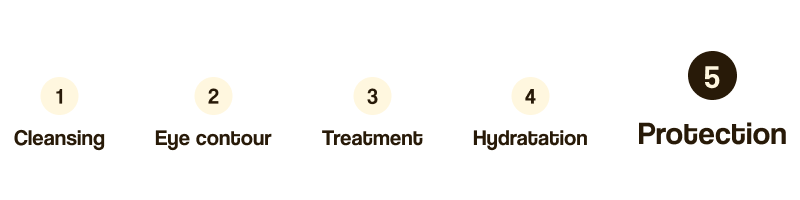
Remember to complement your routine with your serum or well-ageing treatment for complete care.
-
Solastemis™DNA protector (upcycling). Powerful anti-ageing and cellular photoprotective effect, preserving DNA, epidermal stem cells and the dermal matrix. Increases collagen synthesis (+191%), elastin (+206%) and reduces the skin’s physiological age (-12%), helping maintain healthier, younger-looking skin long term.
-
Collapeptyl™Reduces expression lines and deep wrinkles with a glass skin effect. Within 30 minutes, boosts elasticity by 538%, flash hydration (x15) and delivers an instant plump effect. Maintains skin elasticity (+140% after one month of use).
-
Blue Alga (Patented)Increases skin vitamin D receptors (VDR) by up to 14% and improves its sensitivity to healthy sunlight. As a result, boosts skin serotonin by up to 54%, promoting wellbeing and balance. Strengthens the skin’s three barriers: physical, immune and neurosensory.
-
Helionori®Protects against UVA rays and cellular DNA by inhibiting UVA-induced breaks in the DNA chain of melanocytes. Achieves this thanks to MAAs: molecules marine algae use to protect themselves from solar radiation. Helps enhance the benefits of healthy sunlight.
-
Bisabolol™Protects against external aggressors and reduces inflammation, irritation and redness caused by UV radiation, providing soothing comfort to the skin.
-
Lingostem™Prevents and repairs sun-induced skin damage by reducing oxidative stress and collagen loss during and even after exposure.
*Ingredients from organic farming
**Derived from natural essential oils
Extraction: water is an element present in most cosmetic products and is the most important raw material. In the cosmetics industry, purified water is used in a process to eliminate any solid particle that may contain water in order to achieve a higher degree of purity and quality.
Benefits: water helps to cleanse the body. Hydrates and improves the effect of other active ingredients, provides softness and delays premature aging of the skin.
Extraction: it is naturally extracted from the zincite, a mineral that contains 80% zinc oxide.
Benefits: zinc oxide is a natural motionless mineral that acts as a solar protector reflecting and scattering radiations. It acts on the skin in a superficial way as a mirror, adding an effective barrier against sun rays. Its protection power is highly effective against UVA radiations, visible lighting and IR.
It also adds benefits as seborgulator, improving oily skins and lowering acne chances, spots and reducing skin irritation and inflammation.
Obtaining:
It's a plant-based ester obtained by combining fatty alcohols from coconut with medium-chain fatty acids (caprylic, and often capric), usually derived from vegetable oils. The result is a very stable and lightweight ingredient, designed to provide a silky feel without a greasy sensation.
Benefits:
It functions as a ""silk effect"" emollient and is a classic in natural formulations because it helps achieve a very cosmetic sensory experience: it leaves the skin soft, flexible, and with a satin finish, improving the spreadability of creams and oils without heaviness. In hair products, it adds shine and softness, reduces the feeling of roughness, and helps the hair feel more ""polished"" without resorting to silicones, making it a popular natural alternative for achieving smoother application and a more pleasant feel.
Obtaining:
It is an ester obtained by esterification of adipic acid with butanol, resulting in a very stable oily liquid with low viscosity. In cosmetics, it is used as a ""light oil"" in formulations due to its excellent sensory properties and compatibility with many systems.
Benefits:
It acts as an emollient and sensory agent: it provides a soft, silky, and highly gliding feel, improves spreadability, and helps reduce the sticky sensation of some formulas, leaving a drier and more elegant finish. It is commonly found in sun care and body products because it can enhance application and the ""after-feel,"" and generally helps the formula feel more cosmetic and comfortable on the skin."
Obtaining:
It is an ester obtained by combining polyglycerin-6 (derived from glycerin, of vegetable origin) with stearic acid (a fatty acid found in vegetable oils and fats). The result is a non-ionic ingredient, widely used in ""natural"" formulations due to its good tolerance profile and versatility.
Benefits:
It primarily functions as an emulsifier and co-emulsifier in oil-in-water emulsions, helping to create creamy, smooth, and stable textures with a pleasant sensorial feel that is less ""waxy"" than other systems. It improves spreadability, provides a feeling of comfort, and can contribute to a silkier skin without leaving a heavy film.
Extraction: it is harvested from plants (soy or coconut oil for example) by hydrolysis of fats and by fermenting sugars. Glycerol is found naturally in skin and is considered a self-healing compound.
Benefits: it is one of the many substances in the skin that helps maintain the outer barrier and prevents dryness and peeling. It leaves skin feeling nourished and works to treat acne. It also prevents the accumulation of fat and improves the appearance of hair. Vegetable glycerin can be used as a diluent and as an alcohol substitute when preparing herbal extracts.
Extraction: It is obtained through the polyesterification of ricinoleic acid, derived from castor oil.
Benefits: It enhances the stability of cosmetic emulsions, acts as an emulsifier and dispersing agent, providing smooth textures, improving the absorption of active ingredients, and increasing the efficacy of lipophilic formulations."
Obtaining:
It is a triglyceride (triester of glycerin) formed by three molecules of heptanoic acid attached to a glycerol backbone. In cosmetics, it is used as a light and very stable oil/ester, valued for its good compatibility in emulsions and oily systems.
Benefits:
On the skin, it primarily acts as an emollient and ""skin conditioning"": it improves softness and a silky feel, helps with spreadability (allowing the cream/oil to glide and distribute better) and can help reduce water loss through evaporation by forming a light film (supporting surface hydration). Additionally, it is used as a component of the oil phase to optimize texture and, in some formulas, as a vehicle/solvent for liposoluble ingredients, enhancing the sensorial experience without leaving a heavy greasy finish.
Extraction: esterified glycerin with a mixture of citric, lactic, linoleic and oleic acid. This ingredient is of vegetable origin.
Benefits: acts as a lubricant on the skin’s surface to give it a soft, smooth appearance. It also slows down water loss by forming a protective barrier. Furthermore, in terms of formulation, it helps to form oil-water emulsions by reducing the surface tension of the substances present.
Extraction: alpha-bisabolol is a natural monocyclic sesquiterpene alcohol, originally from Brazil, found in plants such as chamomile or candeia argol.
Benefits: it is a powerful skin calming agent, which minimises redness induced by UV rays and also protects against other external aggressions and environmental stress. This natural active ingredient counteracts premature ageing. It is a great agent to fight inflammations and irritations of the most sensitive skins.
Extraction: fructose is a type of sugar composed of glucose.
Benefits: it acts as a barrier to prevent skin moisture loss, thanks to its hygroscopic properties.
Obtaining:
It is a phenolic compound of plant origin that is naturally found in the cell wall of many plants (especially in cereals such as rice, wheat, or oats, and also in some fruits/seeds). For cosmetic use, it can be obtained by extracting plant materials rich in ferulates and subsequent purification, or by synthesis to ensure consistent quality and purity from batch to batch.
Benefits:
It acts as a highly interesting antioxidant in cosmetics because it helps to neutralise free radicals and reduce the impact of oxidative stress associated with external factors such as UV radiation and pollution, which results in a more even and ""rested"" appearance of the skin with continued use. Additionally, it is known for its role as a synergistic ingredient in antioxidant formulas: it can enhance the overall performance of other antioxidants (for example, classic combinations with antioxidant vitamins), helping to keep the formula more stable and reinforcing protection against oxidative damage. In well-formulated products, it provides a ""pro-age"" and luminosity approach through preventive care.
Origin: Zinc is a mineral and hyaluronic acid is obtained by biotechnology.
Benefits: Active ingredient that combines the numerous properties of hyaluronic acid; hydration, ceramide synthesis, with the antioxidant and soothing properties of zinc.
Extraction: this seaweed is one of the great riches of the Menor Sea. It contains the highest levels of protein and amino acids of its species. In addition, it has a high concentration of mycosporin-type amino acids, due to its great exposure to the sun's rays.
Benefits: improves the structure of the hair, considerably increasing the elasticity and resistance of hair fibers. It also provides protection against external aggressions, dehydration and frizz.
Obtaining:
This is an extract obtained from the seeds of Pongamia pinnata (Indian beech/Karanja). These types of extracts contain lipid fractions and characteristic compounds of the seed, such as pongamol and karanjin, which are part of the plant's phytochemical profile.
Benefits:
In cosmetics, it is mainly used for its antioxidant activity from Pongamia pinnata seed extracts, which aligns with its use as support against oxidative stress. It also supports UV protection/SPF boosting due to its content of certain seed compounds.
Extraction: cranberries grow from a shrub half a meter in height that produces dark, bluish or reddish berries. It is classified as a super fruit for its high rich antioxidant and nutritional properties.
Benefits: cranberries nurture the skin and are rich in both vitamin B and C. It are also rich in antioxidant polyphenols that work to combat the oxidative damage caused by solar radiation. They are a powerful rejuvenator that reduces the appearance of wrinkles and also improves the formation of collagen.
Sourcing: The extract is obtained from Cystoseira seaweed. It’s native to the Mediterranean and mainly inhabits rocky substrates exposed to the sun and waves.
Benefits: It reduces excess melanin production and slows down the maturation of melanosomes to keep them from malfunctioning.
Obtaining:
It is an extract obtained from the fruit of Sechium edule (chayote), originally from Réunion Island, usually through aqueous and/or hydro-glycolic extraction (water, glycerine, propanediol, etc.), followed by filtration and standardisation according to the supplier to ensure a consistent profile and good incorporation into formulas.
Benefits:
It helps in the cellular repair of skin exposed to solar radiation by expressing DNA repair enzymes. It is also mainly used as a skin conditioning ingredient: it provides a light hydration sensation, helps to leave the skin softer and looking fresher, and fits well in botanically inspired formulas aimed at soothing and enhancing skin well-being.
Obtaining: this extract is obtained from the root of the licorice plant. It is cultivated in many countries and has been used since ancient times as a condiment for its sweet-sour aniseed flavor.
Benefits: it contains saponins, flavonoids, coumarins and triterpenoids. It has immunostimulating, anti-inflammatory, antimicrobial and antioxidant properties. Protects against ageing and photoageing and has antiseptic properties.
Extraction: Lotus has always had special significance, even in ancient times. This flower, characteristic of the Nile, was appreciated by the pharaohs of Ancient Egypt. Later, it was taken to Syria and from there, its cultivation was transferred to India and China. It is widely used in traditional Ayurveda and Siddha medicine for the treatment of inflammations, and is also an aphrodisiac and a tonic.
Benefits: This lotus species is among of many variants of lotus and shares active properties with other and lotus extracts from Egypt. Its action inhibits the production of leptin, effectively reducing sebaceous hypersecretion. This is done by reducing the reducing the molecules involved in the sebum and inflammatory formation processes It reduces the amount of lipids present in sebum which are responsible for inflammation and acne. As a result, unwanted shine is decreased by 15%, imperfections by 41%, and fat synthesis by 44%.
Obtaining:
It is a polymer/oligomer derived from hydroxystearic acid (very often 12-hydroxystearic acid), which can be obtained from fat materials of vegetable origin, classically related to castor oil derivatives. Through polymerization/condensation processes, this ""longer"" molecule is obtained, with great affinity for oily phases and mineral powder surfaces.
Benefits:
In cosmetic formulation, it is mainly used as a dispersant and stabilizer of pigments and mineral filters: it helps to better wet and disperse powders such as titanium dioxide or zinc oxide in the oil phase, reducing clumping and improving application uniformity. This usually results in smoother and silkier textures, with better glide, and in mineral sunscreens, it can help reduce the ""paste"" feeling and optimize the finish (less drag/whitening, depending on the formula). Additionally, it contributes to the stability of anhydrous systems and emulsions with a high particle load, providing a more cosmetic sensory experience and better spreadability.
Obtaining:
It is a peptide composed of a short chain of three amino acids (hence ""tripeptide"").
Benefits:
It is used as a skin conditioning ingredient aimed at pro-age routines: it is considered a ""signal"" peptide that can support the appearance of firmer, more elastic, and even skin with continued use, especially in formulas focused on smoothing the appearance of lines and enhancing the feeling of more ""repaired"" skin.
Obtaining:
It is a peptide composed of a short chain of six amino acids (hence ""hexapeptide"").
Benefits:
It is used as a pro-age ingredient aimed at enhancing the skin's appearance by improving comfort and texture quality. It is typically positioned as a support for smoother skin, with a feeling of increased elasticity and a more even appearance, helping to improve the look of fine lines with continuous use in leave-on products (serums, creams).
Extraction: natural ester of vegetable origin of glycerin and caprylic acid.
Benefits: acts as an emulsion stabilizer and a moisturizing agent.
Extraction: natural ingredient obtained from wood pulp.
Benefits: used as a thickening, texturizing and natural emulsifiable agent; it is a natural vegetal polysaccharide.
Sourcing: Polyglyceryl-6 Behenate is obtained by esterifying vegetable behenic acid, derived from oils such as moringa, with naturally sourced polyglycerin.
Benefits: It acts as a gentle emulsifier, improving the stability and texture of cosmetics. It hydrates without a greasy feel, making it ideal for sensitive skin. It facilitates the absorption of active ingredients and contributes to eco-friendly and biodegradable formulas, being a natural alternative to synthetic emulsifiers in skincare products.
Extraction: mixture of cetyl and stearic alcohols that are produced naturally in plants.
Benefits: these alcohols have the ability to prevent emulsions from separating between their oily and watery parts. These ingredients are also used to alter the thickness of liquid products, to increase foam capacity or to stabilize them.
Extraction: this ingredient is derived from glycerin and stearic acid, a fatty acid obtained from vegetable oils. It is found naturally in the human body so it will not damage skin.
Benefits: acts as a lubricant on the skin’s surface to give it a soft, smooth and light appearance. It also slows down water loss by forming a protective barrier and protects skin against the damage caused by free radicals. Furthermore, in terms of formulation, it helps to stabilize oil-water emulsions by reducing the surface tension of the substances present.
Extraction: natural polysaccharide of high natural weight derived from the fermentation of carbohydrates such as glucose or corn syrup.
Benefits: it is used as a binder, emulsion stabilizer and skin conditioning agent in a wide variety of cosmetics and personal care products. 1% of xanthan gum is used for cosmetic formulations.
Obtainment: This ingredient is found naturally in the anise, an herb of the Apiaceae family native to South-West Asia and the eastern Mediterranean basin, and therefore, it is 100% plant-based.
Benefits: It is an innovative natural preservative, acts as a flavouring agent, preservative and and masks unpleasant odours.
Extraction: tocopherol or vitamin E, is naturally found in vegetable fats and oils, cereals, nuts and green and yellow leafy vegetables.
Benefits: it is used in cosmetics for its antioxidant properties and also acts as a skin conditioning agent. Reduces the appearance of stretch marks, helps improve skin tone, moisturizes and helps keep skin firm. For hair care, Holy Basil helps improve the blood circulation in the scalp which stimulates hair growth and helps to condition hair and provide shine.
Fruity floral perfume of natural origin, obtained from natural raw materials through extraction and distillation processes for cosmetic use. Its top notes of passion fruit and guava provide an exotic, juicy, and vibrant sensation; at its heart, the notes of orchid, jasmine, and lily of the valley reveal a delicate, fresh, and elegant floral facet. At the base, vanilla, musk, and sandalwood envelop the fragrance in a soft, creamy, and warm halo, leaving a sensation of comfort, femininity, and sophistication.
Extraction: natural pentylene glycol is obtained from renewable plant-based sources such as sugar cane or maize.
Benefits: commonly used in moisturising creams and lotions for its hydrating properties, which help retain moisture in the skin. It also has antibacterial and preservative effects, helping other active ingredients act better on the skin.
Extraction: benzoic acid salt that is naturally found in blueberries, prunes, cinnamon and apple.
Benefits: it is used as a cosmetic preservative to prevent the growth and proliferation of fungi and bacteria in the products.
Extraction: is the potassium salt of sorbic acid that occurs naturally in mountain berries (Sorbus aucuparia).
Benefits: acts as a preservative, protecting cosmetics from deterioration by preventing or delaying the growth and reproduction of microorganisms. This compound is easily metabolized by the body and produces water and CO2, therefore it is completely harmless.
Extraction: Calcium salt from gluconic acid.
Benefits: It is used as a skin humectant and conditioning agent in cosmetic formulations.
Extraction: gluconic acid ester obtained via bio-fermentation.
Benefits: a composed of multiple hydroxyl groups that attract water, leading to increased skin hydration. In other words, it acts as a humectant.
Extraction: Levulinic Acid is a 100% natural preservative obtained from the degradation of cellulose.
Benefits: it is a mild preservative that control colonies of microorganisms without altering the integrity, colour or pH of the other ingredients included in the product. It has very good antibacterial properties.
Extraction: citric acid is a weak organic acid found in fruits such as lemons and oranges. Lemon juice contains approximately 5-8% citric acid.
Benefits: citric acid and its salts: Diammonium, Potassium and Sodium help to preserve cosmetics since they are metal chelating agents. Citric acid and its salts are also added to cosmetics to help regulate the acid / base levels. Functions as a powerful antioxidant and helps to regulate and maintain skin’s hydration and elasticity.
Thousands of people discover Freshly thanks to reviews like yours. Also, share your experience on Trustpilot and help us grow together.
SHARE ON TRUSTPILOTReviews like yours help us improve every day. Our team will review your case to assist you.
⚠️ The comment could not be added.
Sunlight contains different types of radiation:
UVA: penetrates deeply into the skin. Contributes to premature ageing, loss of elasticity, and the appearance of wrinkles.
UVB: acts on the superficial layers. Causes burns and DNA damage, and is responsible for stimulating vitamin D synthesis.
Visible light and blue light: can also generate oxidative stress and affect skin pigmentation.
That's why it's important to use a broad-spectrum sunscreen that filters both UVA and UVB, along with skin-friendly formulas that protect without interfering with its natural functions.
A sunscreen is limited to filtering or blocking UV radiation, helping to prevent burns and DNA damage to skin cells. On the other hand, a sunblock offers more comprehensive sun protection: it shields against UVA and UVB radiation and also acts against free radicals generated by sun exposure, responsible for oxidative stress, premature ageing, and cellular damage. That's why we can say that this formula is an 'anti-dark spot' and anti-wrinkle sunscreen, as it is also rich in antioxidants and natural clinical technologies that regulate melanocytes and strengthen collagen and elastin.
If you already notice sun spots on your face, wrinkles, or other signs of photoaging, you're not alone. It's most advisable to opt for an anti-dark spot and firming facial sunscreen with high broad-spectrum protection and repairing actives that help neutralise free radicals, support skin regeneration, and prevent spots and wrinkles from continuing to appear. Because protecting the skin from the sun is also about caring for it in the long term. That's why we say the "best facial cream "anti-wrinkle" will always be a correct skincare routine with healthy ingredients.
They can appear for various reasons, and the sun is often not the main cause, although sun exposure can make them more visible. In some cases, they are due to pigmentation changes, such as reduced melanin production in certain areas, among other causes like intense dryness, peeling, or hormonal changes. To prevent white sun spots on the skin, it's important to keep the skin hydrated and use sun protection daily.
To prevent sun spots on the face and wrinkles caused by radiation, the key is consistency and responsible sun exposure. Using a natural (if possible) broad-spectrum anti-wrinkle sunscreen daily helps protect the skin against UVA and UVB radiation, the main cause of photoaging. It's important to reapply it, avoid exposure during peak sun intensity hours, and complement the routine with antioxidants, which neutralize the damage from free radicals generated by the sun. Additionally, using an anti-spot sunscreen, keeping the skin well-hydrated, and caring for the skin barrier strengthens the skin's ability to defend itself and stay firmer, healthier, and more even.
Opting for mineral and biological sun protection instead of chemical filters is choosing a more skin and environmentally friendly protection.
Mineral filters work on the skin's surface, reflecting UVA, UVB, IR-A, and blue light radiation, without penetrating or altering its natural functions, making them safe in the long term and particularly suitable for sensitive skin.
Biological filters differ from traditional chemical filters in how they... they interact with the skin and sunlight. While many chemical filters work by absorbing radiation and converting it into heat after penetrating the skin, biological filters are inspired by natural photoprotection mechanisms, like those used by marine algae to shield themselves from the sun. These active ingredients enhance the skin's natural defenses, help neutralize oxidative stress, and modulate the interaction with sunlight without aggressively interfering with the skin's biological processes. Additionally, biological filters like Helionori® work complementarily with minerals: they don't replace physical protection but optimize it, improving skin tolerance and promoting a more physiological sun exposure. As they don't require penetration or intense chemical reactions to be effective, they are more respectful of sensitive skin and the marine environment, aligning with a more conscious, healthy, and sustainable photoprotection.
No, this product does not replace a serum or well-ageing treatment because its main function is to protect the skin from solar radiation, which is the biggest accelerator of skin aging. Although its formula includes regenerative actives that repair DNA, stimulate collagen and elastin, and improve elasticity, its role in the routine is defensive and preventive. Serums and well-ageing treatments work in deeper layers with specific concentrations. They help reduce sun-induced spots on the face, wrinkles, sagging, or dehydration, while this sunscreen ensures that this work is not undone by sun damage. Therefore, it doesn't replace it but complements it.
Moisturizer goes first. Sunscreen should always be applied as the last step of your facial routine. Why? Because sunscreen, especially If it's mineral-based, it creates a protective layer on the skin's surface that prevents substances from entering. That's why it's a good idea to apply the moisturiser first, which provides hydration, strengthens the skin barrier, and prepares the skin for sun protection.
Remember the correct order: Cleansing, serum, moisturising, sunscreen, makeup (if you use it).
TIP! Allow 1–2 minutes between the moisturiser and sunscreen for the skin to absorb it well and ensure even protection.
Developing a natural sunscreen with a fluid texture is one of the biggest challenges in sun care cosmetics. For years, the most used ingredient in natural sun protection has been titanium dioxide, an effective filter but one that tends to create thick, dense textures that are difficult to spread. We've used it ourselves for a long time.
However, advances in formulation have allowed us to move towards more innovative technologies. That's why we've replaced titanium dioxide with zinc oxide, a broad-spectrum mineral filter that, when well-formulated, provides effective protection with a much lighter and more pleasant texture. The result is a fluid mineral sunscreen, easy to apply, designed to significantly enhance the user experience without compromising on effectiveness or skin-friendliness.
Many conventional sunscreens contain chemical filters and nanoparticles that can negatively impact marine ecosystems. That's why this sunscreen has been formulated without nanoparticles, silicones, or other polluting ingredients, relying solely on mineral filters, biological filters, and natural, biodegradable ingredients. Effective protection for the skin that is also respectful of marine life and the balance of the ecosystem.
How can I use it?
NULLNatural actives with proven efficacy
-
Solastemis™
DNA protector (upcycling). Powerful anti-ageing and cellular photoprotective effect, preserving DNA, epidermal stem cells and the dermal matrix. Increases collagen synthesis (+191%), elastin (+206%) and reduces the skin’s physiological age (-12%), helping maintain healthier, younger-looking skin long term.
-
Collapeptyl™
Reduces expression lines and deep wrinkles with a glass skin effect. Within 30 minutes, boosts elasticity by 538%, flash hydration (x15) and delivers an instant plump effect. Maintains skin elasticity (+140% after one month of use).
-
Blue Alga (Patented)
Increases skin vitamin D receptors (VDR) by up to 14% and improves its sensitivity to healthy sunlight. As a result, boosts skin serotonin by up to 54%, promoting wellbeing and balance. Strengthens the skin’s three barriers: physical, immune and neurosensory.
-
Helionori®
Protects against UVA rays and cellular DNA by inhibiting UVA-induced breaks in the DNA chain of melanocytes. Achieves this thanks to MAAs: molecules marine algae use to protect themselves from solar radiation. Helps enhance the benefits of healthy sunlight.
-
Bisabolol™
Protects against external aggressors and reduces inflammation, irritation and redness caused by UV radiation, providing soothing comfort to the skin.
-
Lingostem™
Prevents and repairs sun-induced skin damage by reducing oxidative stress and collagen loss during and even after exposure.
INCI (Ingredients List)
D+ Natural Suncare Age Repair
*Ingredients from organic farming
**Derived from natural essential oils
Aqua , Zinc Oxide , COCO-CAPRYLATE , DIBUTYL ADIPATE , POLYGLYCERYL-6 STEARATE , Glycerin , Polyricinoleic Acid , TRIHEPTANOIN , Glyceryl Citrate/Lactate/Linoleate/Oleate , Bisabolol , Fructose , Ferulic Acid , Zinc Hydrolyzed Hyaluronate , Porphyra Umbilicalis Extract , PONGAMIA EXTRACT , Vaccinium Vitis-Idaea Fruit Extract , Cystoseira Tamariscifolia Extract , Sechium Edule Fruit Extract , Glycyrrhiza Glabra Root Extract* * , Nelumbo Nucifera Flower Extract , POLYHYDROXYSTEARIC ACID , TRIPEPTIDE-1 , Hexapeptide-9 , Glyceryl Caprylate , Cellulose Gum , Polyglyceryl-6 Behenate , Cetearyl Alcohol , Glyceryl Stearate , Xanthan Gum , p-Anisic Acid , Tocopherol , Parfum , Pentylene Glycol , Sodium Benzoate , Potassium Sorbate , Calcium Gluconate , Gluconolactone , Levulinic Acid , Citric acid
At Freshly, we're constantly innovating and improving our formulas. That’s why the list of ingredients is updated regularly and may differ slightly from the label on the product depending on the time of purchase.
What don’t we include and why?
Thousands of ingredients are left out of our formulas: parabens, silicones, sulfates, phthalates, plastic particles… Start a routine free from irritants, pollutants, animal-derived ingredients, or anything associated with adverse effects. We only include nutrients that bring real value to your skin's health.
FAQs
HOW DO DIFFERENT TYPES OF SOLAR RADIATION AFFECT THE SKIN?
Sunlight contains different types of radiation:
UVA: penetrates deeply into the skin. Contributes to premature ageing, loss of elasticity, and the appearance of wrinkles.
UVB: acts on the superficial layers. Causes burns and DNA damage, and is responsible for stimulating vitamin D synthesis.
Visible light and blue light: can also generate oxidative stress and affect skin pigmentation.
That's why it's important to use a broad-spectrum sunscreen that filters both UVA and UVB, along with skin-friendly formulas that protect without interfering with its natural functions.
SUNSCREEN, SUNBLOCK, ANTI-DARK SPOT SUNSCREEN… WHAT’S THE DIFFERENCE?
A sunscreen is limited to filtering or blocking UV radiation, helping to prevent burns and DNA damage to skin cells. On the other hand, a sunblock offers more comprehensive sun protection: it shields against UVA and UVB radiation and also acts against free radicals generated by sun exposure, responsible for oxidative stress, premature ageing, and cellular damage. That's why we can say that this formula is an 'anti-dark spot' and anti-wrinkle sunscreen, as it is also rich in antioxidants and natural clinical technologies that regulate melanocytes and strengthen collagen and elastin.
WHAT IS THE BEST ANTI-DARK SPOT SUNSCREEN?
If you already notice sun spots on your face, wrinkles, or other signs of photoaging, you're not alone. It's most advisable to opt for an anti-dark spot and firming facial sunscreen with high broad-spectrum protection and repairing actives that help neutralise free radicals, support skin regeneration, and prevent spots and wrinkles from continuing to appear. Because protecting the skin from the sun is also about caring for it in the long term. That's why we say the "best facial cream "anti-wrinkle" will always be a correct skincare routine with healthy ingredients.
WHITE SUN SPOTS ON THE SKIN: WHAT CAUSES THEM?
They can appear for various reasons, and the sun is often not the main cause, although sun exposure can make them more visible. In some cases, they are due to pigmentation changes, such as reduced melanin production in certain areas, among other causes like intense dryness, peeling, or hormonal changes. To prevent white sun spots on the skin, it's important to keep the skin hydrated and use sun protection daily.
HOW TO PREVENT WRINKLES AND SUN-INDUCED SPOTS?
To prevent sun spots on the face and wrinkles caused by radiation, the key is consistency and responsible sun exposure. Using a natural (if possible) broad-spectrum anti-wrinkle sunscreen daily helps protect the skin against UVA and UVB radiation, the main cause of photoaging. It's important to reapply it, avoid exposure during peak sun intensity hours, and complement the routine with antioxidants, which neutralize the damage from free radicals generated by the sun. Additionally, using an anti-spot sunscreen, keeping the skin well-hydrated, and caring for the skin barrier strengthens the skin's ability to defend itself and stay firmer, healthier, and more even.
WHY CHOOSE MINERAL SUN PROTECTION?
Opting for mineral and biological sun protection instead of chemical filters is choosing a more skin and environmentally friendly protection.
Mineral filters work on the skin's surface, reflecting UVA, UVB, IR-A, and blue light radiation, without penetrating or altering its natural functions, making them safe in the long term and particularly suitable for sensitive skin.
Biological filters differ from traditional chemical filters in how they... they interact with the skin and sunlight. While many chemical filters work by absorbing radiation and converting it into heat after penetrating the skin, biological filters are inspired by natural photoprotection mechanisms, like those used by marine algae to shield themselves from the sun. These active ingredients enhance the skin's natural defenses, help neutralize oxidative stress, and modulate the interaction with sunlight without aggressively interfering with the skin's biological processes. Additionally, biological filters like Helionori® work complementarily with minerals: they don't replace physical protection but optimize it, improving skin tolerance and promoting a more physiological sun exposure. As they don't require penetration or intense chemical reactions to be effective, they are more respectful of sensitive skin and the marine environment, aligning with a more conscious, healthy, and sustainable photoprotection.
DOES THIS PRODUCT REPLACE A SERUM OR WELL-AGEING TREATMENT?
No, this product does not replace a serum or well-ageing treatment because its main function is to protect the skin from solar radiation, which is the biggest accelerator of skin aging. Although its formula includes regenerative actives that repair DNA, stimulate collagen and elastin, and improve elasticity, its role in the routine is defensive and preventive. Serums and well-ageing treatments work in deeper layers with specific concentrations. They help reduce sun-induced spots on the face, wrinkles, sagging, or dehydration, while this sunscreen ensures that this work is not undone by sun damage. Therefore, it doesn't replace it but complements it.
WHAT GOES ON FIRST: MOISTURIZER OR SUNSCREEN?
Moisturizer goes first. Sunscreen should always be applied as the last step of your facial routine. Why? Because sunscreen, especially If it's mineral-based, it creates a protective layer on the skin's surface that prevents substances from entering. That's why it's a good idea to apply the moisturiser first, which provides hydration, strengthens the skin barrier, and prepares the skin for sun protection.
Remember the correct order: Cleansing, serum, moisturising, sunscreen, makeup (if you use it).
TIP! Allow 1–2 minutes between the moisturiser and sunscreen for the skin to absorb it well and ensure even protection.
HOW DO YOU ACHIEVE NATURAL SUN PROTECTION WITH A LIGHT, FLUID TEXTURE?
Developing a natural sunscreen with a fluid texture is one of the biggest challenges in sun care cosmetics. For years, the most used ingredient in natural sun protection has been titanium dioxide, an effective filter but one that tends to create thick, dense textures that are difficult to spread. We've used it ourselves for a long time.
However, advances in formulation have allowed us to move towards more innovative technologies. That's why we've replaced titanium dioxide with zinc oxide, a broad-spectrum mineral filter that, when well-formulated, provides effective protection with a much lighter and more pleasant texture. The result is a fluid mineral sunscreen, easy to apply, designed to significantly enhance the user experience without compromising on effectiveness or skin-friendliness.
WHY IS THIS SUNSCREEN ENVIRONMENTALLY FRIENDLY?
Many conventional sunscreens contain chemical filters and nanoparticles that can negatively impact marine ecosystems. That's why this sunscreen has been formulated without nanoparticles, silicones, or other polluting ingredients, relying solely on mineral filters, biological filters, and natural, biodegradable ingredients. Effective protection for the skin that is also respectful of marine life and the balance of the ecosystem.