





close
(0 items)
|
TOTAL
Shipping
30,00 €

[2][/2] has been added to your wishlist. See your wishlist
[2][/2] has been removed from your wishlist. See your wishlist
close
Log in
close
Join the Freshly Club
- Exclusive discounts and gifts
- Order tracking
- Free returns management
- 100% free registration
close


 You'll receive your order between tomorrow and Friday 02/10
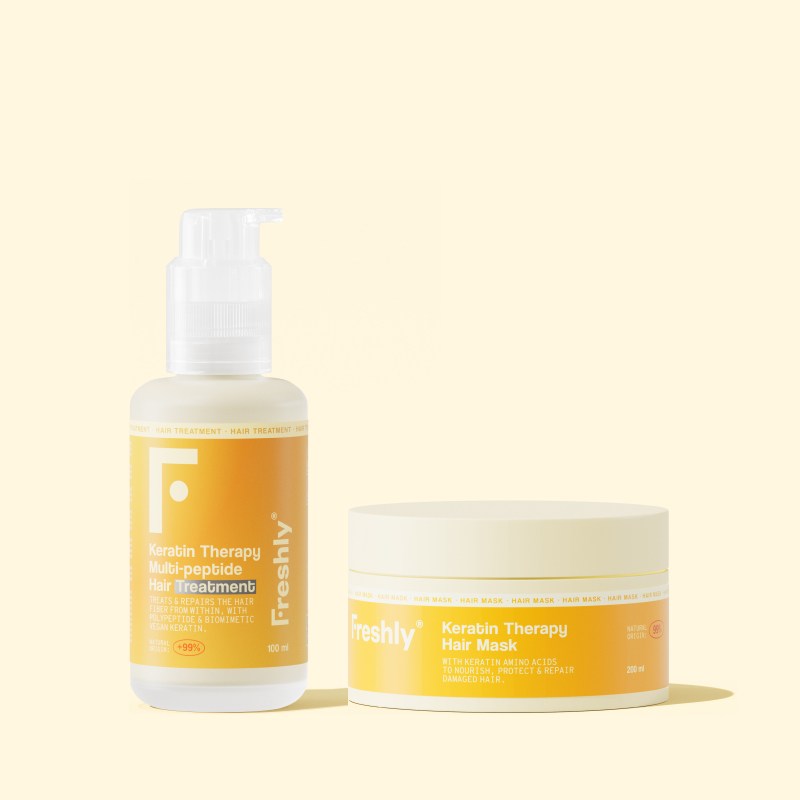
Keratin treatment pack for damaged hair
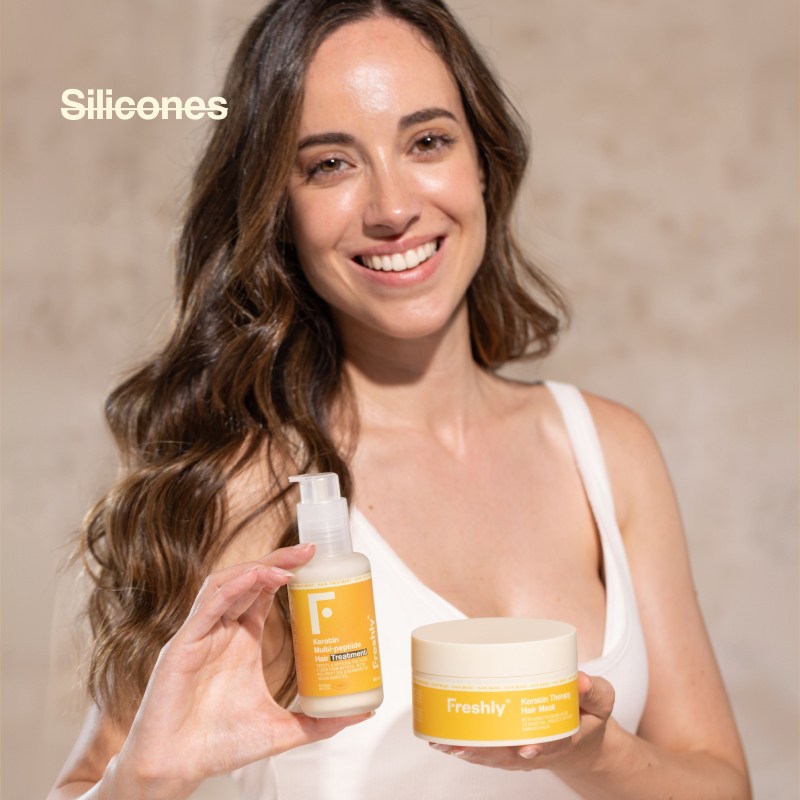
Keratin Repair & Nourish Pack
30,07 €
42,95 €
-30%
ml
·
You are saving 12,88 €

see
reviews
Deep Repair | 99% natural | Silicone-free
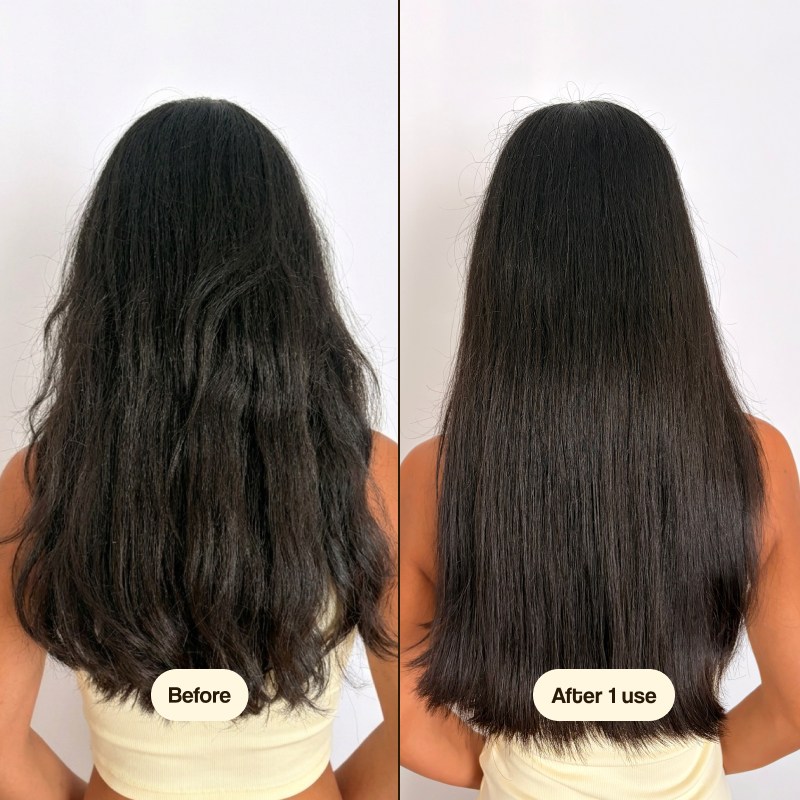
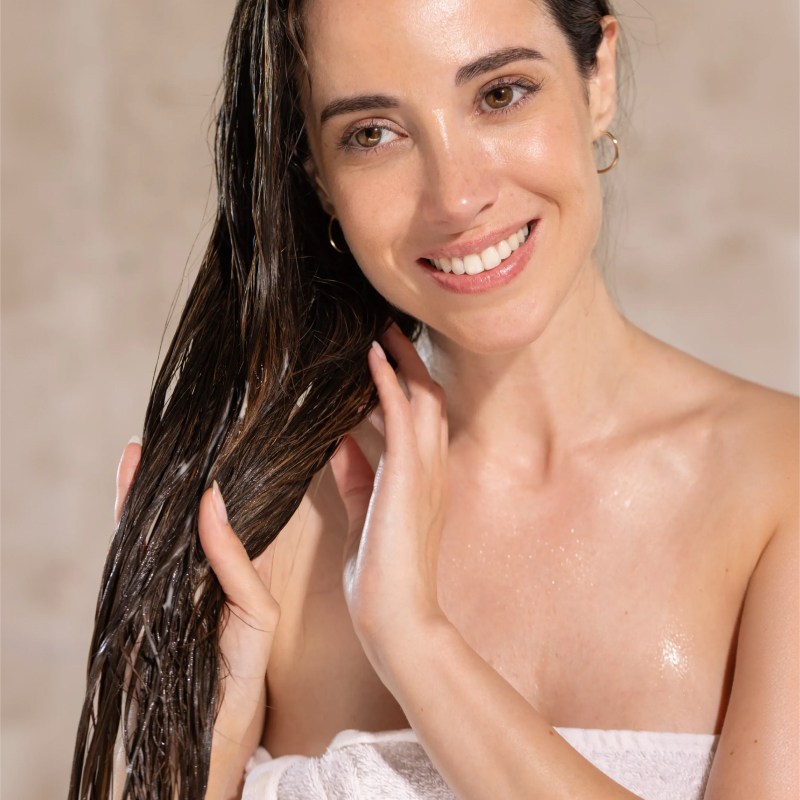
Do you notice your hair is damaged, weak, or with split ends? Does it dry out and get damaged easily? Repair the hair fibre deeply with this 99% natural duo, rich in biomimetic vegan keratin: strong, silky, and visibly healthier hair from the first use.
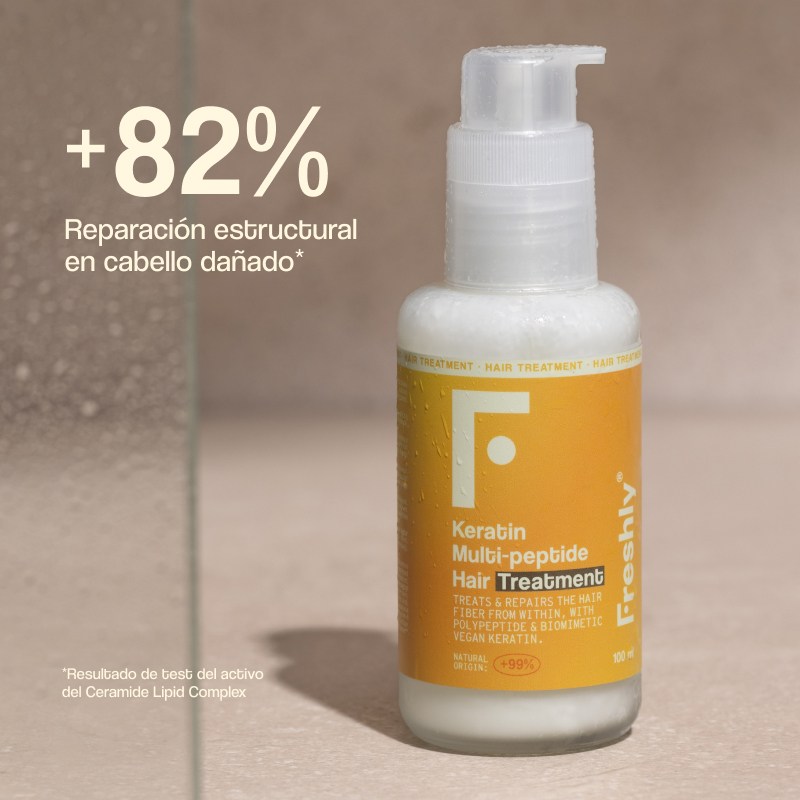
Keratin Multi-Peptide Pre-Shampoo Treatment
- Repairs up to 82% of chemically damaged hair
- Reduces split ends by 53% after just 1 application
- Protects the hair fibre before washing, minimising cumulative damage (chemical, thermal, and mechanical)
- Nourishes and hydrates the hair, enhancing shine and softness
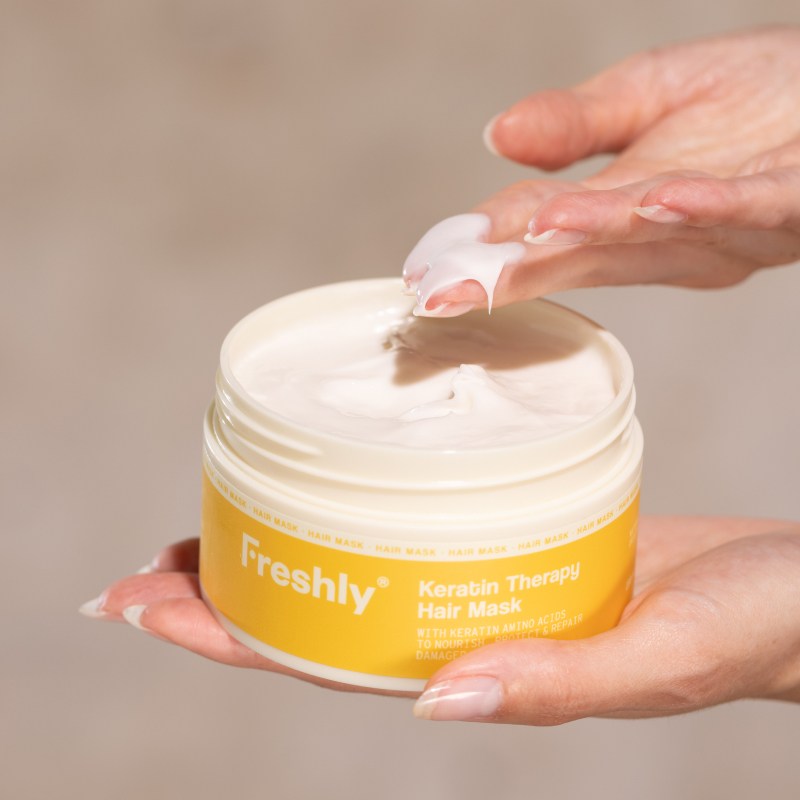
Keratin Therapy Repair Mask
- Repairs deep damage and strengthens the hair fibre from within
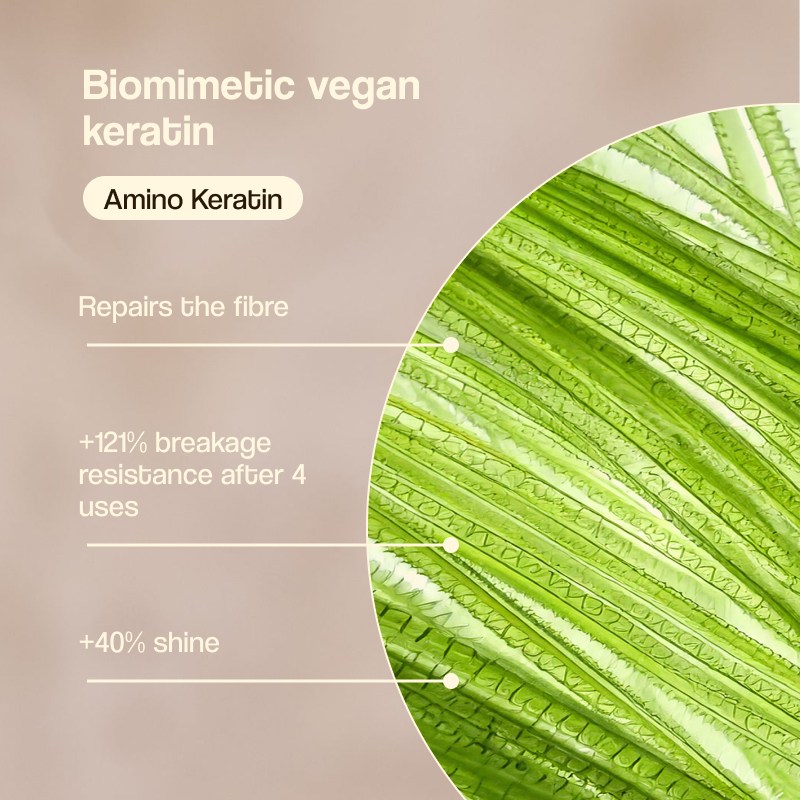
- +84% breakage resistance in just 1 use* (*Amino Keratin)
- Achieves visibly stronger and less brittle hair from the 1st application
- Reduces frizz and adds softness without weighing down
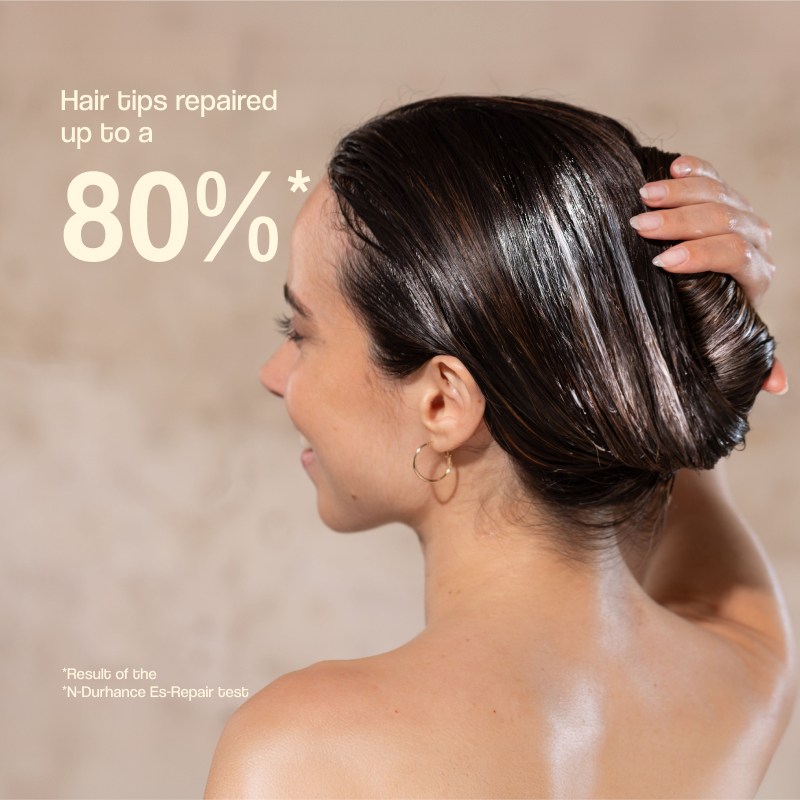
- Up to 53% fewer split ends with just one application
Did you know that 90% of your hair's proteins are keratin? It's the one that provides strength and elasticity to the fibre, but it degrades with the use of hairdryers, straighteners, dyes, or even environmental stress, leaving split ends, frizz, and lack of shine. That's why, before washing your hair, a pre-shampoo acts as a protective barrier, deeply repairing the fibre and sealing it to prevent breakage from friction and hygral fatigue (the swelling and contraction of hair when it gets wet and dries). Afterwards, a mask with biomimetic vegan keratin and KeraPlant completes that repair from within, rebuilding the hair's bonds layer by layer. The result: stronger, sealed hair with real shine, without the need for a single silicone.
- 99% natural formulas
- Dermatologist and trichologist tested
- Suitable for all hair types
- Safe during pregnancy
- Free from silicones, sulfates, parabens, PEGs, mineral oils, and alcohol
100 ml, 100 ml | Glass packaging
-
Before washing your hair, apply the Keratin Multi-Peptide Hair Treatment to dry or slightly damp hair, from mid-lengths to ends.
-
Leave it on for a few minutes and then proceed with your usual shampoo wash.
-
After shampooing, apply the repairing mask to damp hair, from mid-lengths to ends.
-
Leave it on for 5-10 minutes and rinse thoroughly with plenty of water. You can use this routine 2-3 times a week.
Keratin Repair & Nourish Pack
*Ingredients from organic farming
**Derived from natural essential oils
INCI (Ingredients List) Keratin Therapy Hair Mask:
,
,
,
,
,
,
,
,
,
,
,
,
,
,
,
,
,
,
,
,
,
,
,
,
,
,
,
,
,
,
,
,
,
,
,
,
,
,
,
close
WATER
Extraction: water is an element present in most cosmetic products and is the most important raw material. In the cosmetics industry, purified water is used in a process to eliminate any solid particle that may contain water in order to achieve a higher degree of purity and quality.
Benefits: water helps to cleanse the body. Hydrates and improves the effect of other active ingredients, provides softness and delays premature aging of the skin.
close
CETEARYL ALCOHOL
Extraction: mixture of cetyl and stearic alcohols that are produced naturally in plants.
Benefits: these alcohols have the ability to prevent emulsions from separating between their oily and watery parts. These ingredients are also used to alter the thickness of liquid products, to increase foam capacity or to stabilize them.
close
CAPRYLIC / CAPRIC TRIGLYCERIDE
Extraction: derived from Coconut Oil and Glycerin, is considered an excellent emollient and skin repairing agent. It is a mix of fatty acids. It is not considered a sensitizing agent.
Benefits: it repairs the surface of the skin and prevents the loss of moisture and also works to thicken skin. They are neutral oils that do not irritate the skin, are easy to apply and are quickly absorbed.
close
MURUMURU BUTTER
Obtainment: Murumuru shortening is obtained by cold-pressing the seeds of the native murumuru palm of Brazil (Astrocaryum murumuru).
close
COCONUT OIL

Extraction: coconut is a tropical fruit obtained from the coconut tree. Cold pressing thExtraction: the coconut is a tropical fruit obtained from the coconut tree. The oil is obtained by pressing the pulp of the coconut which produces a fat-like substance from which the coconut oil is later extracted. This vegetable oil is composed 90% of saturated fatty acids.
Benefits: coconut oil is one of the star ingredients in any beauty routine. It is perfect for hair care, serving as a conditioner to repair and restructure dry and damaged hair and help prevent breakage. It is rich in fatty acids that nourish and moisturize hair and leaves hair feeling smooth and silky. It is also great for skin, working as a powerful moisturizer by hydrating dry, damaged skin and leaving it feeling smooth and refreshed. Additionally, it has remarkable restorative and antioxidative properties.nditioner, it repairs damaged hair and restructures it increasing its resistance. Rich in fatty acids, it nourishes and hydrates the hair. Combined with rinsing, it leaves a soft and silky effect.
close
BRASSICAMIDOPROPYL DIMETHYLAMINE
Obtaining:
It is an amidoamine derived from fatty acids of Brassica (usually rapeseed). In formulations, it is typically neutralised with an acid (e.g., lactic or citric) to convert it into its salt form, enhancing solubility and performance in aqueous systems.
Benefits:
Acts as a cationic conditioning agent: provides softness, detangling, anti-static properties, and improves wet and dry combing, especially in sensitised hair. It can also help increase viscosity and enhance the sensory feel in shampoos and cleansers (commonly used in sulfate-free formulas), helping to leave the hair feeling more ""fluffy"" and less rough after washing.
close
PANTHENOL
Extraction: Panthenol is derived from vitamin B5, obtained from pantothenic acid, which is found in foods like vegetables and cereals.
Benefits: Panthenol deeply hydrates, improves elasticity, and repairs both hair and skin. It strengthens the hair fibre, reduces frizz, and soothes irritations. Additionally, on the skin, it promotes cell regeneration, providing softness, shine, and protection against external aggressions.
close
VEGETABLE GLYCERIN
Extraction: it is harvested from plants (soy or coconut oil for example) by hydrolysis of fats and by fermenting sugars. Glycerol is found naturally in skin and is considered a self-healing compound.
Benefits: it is one of the many substances in the skin that helps maintain the outer barrier and prevents dryness and peeling. It leaves skin feeling nourished and works to treat acne. It also prevents the accumulation of fat and improves the appearance of hair. Vegetable glycerin can be used as a diluent and as an alcohol substitute when preparing herbal extracts.
close
PENTYLENE GLYCOL
Extraction: natural pentylene glycol is obtained from renewable plant-based sources such as sugar cane or maize.
Benefits: commonly used in moisturising creams and lotions for its hydrating properties, which help retain moisture in the skin. It also has antibacterial and preservative effects, helping other active ingredients act better on the skin.
close
NATURAL SCENT SPRAY
Extraction: natural scent with citrus notes of lemon, orange and grapefruit, combined with a sweeter touch of blackcurrant, peach and rose.
Benefits: a fragrance that gives the product a refreshing aroma. This natural scent is used in the Hair Radiance Keratine Spray.
close
LACTIC ACID
Extraction: Lactic acid is obtained from the natural fermentation of sugars and is used to adjust the pH of cosmetic products due to its acidic nature.
Benefits: This ingredient allows cosmetics to be milder for skin and hair.
close
VEGAN KERATIN
Obtaining: The vegan keratin amino acids are obtained through biofermentation and sustainable, cruelty-free practices. They represent a vegan and sustainable alternative to traditional animal-derived keratin.
Benefits: These amino acids are highly compatible with hair and skin fibers. They penetrate the hair and skin, helping to repair, strengthen, and improve moisture retention. In hair products, they enhance elasticity, reduce frizz, and provide softness. In skincare formulas, they offer a hydrating and conditioning effect.
close
SQUALANE
Extraction: it is the hydrogenated version of squalene. It is an aliphatic triterpene extracted from rice bran, wheat germ and green olives. It has a 100% natural origin.
Benefits: it is a natural component of the skin and a good emollient and sebum restorer. It is used in regenerative treatments for dry skin. It has antioxidant properties and stimulates the immune system.
close
CANDELILLA WAX
Extraction: Candelilla Wax comes from the plant Euphorbia Cerífera, also known as candelilla plant. Its colour can vary from a brown to a more yellowish tone.
Benefits: This wax has protective and moisturising properties and is well absorbed into the skin. It is used as a vegan alternative to beeswax as it shares the same protective and thickening properties. One of the most appreciated properties of this wax is the high level of brightness in its surface when refined.
close
LINOLEIC ACID
Extraction: linoleic acid is an essential fatty acid of the omega 6 series. Its first double bond is between the 6th and 7th carbon in the chain. Human orgnism cannot synthesise this type of component, so it has to be acquired through food and by external application of cosmetics. It is extracted from plant-derived oils such as linseed.
Benefits: numerous benefits for the organism are attributed to it. It helps to reinforce the skin barrier, maintaining its hydration and reinforcing its shield against irritating agents. Scientific results show effects on acne and other types of inflammatory disorders.
close
DIMER DILINOLEYL DIMER DILINOLEATE
Extraction: Oily polymer obtained from rapeseed and sunflower oil
Benefits: It creates a film on the hair that cancels out electrical charges with wet hair. It eases styling, gives softness, hydration and shine. Provides an excellent final touch and control of split ends and hair breakage.
close
HYDROXYPROPYL GUAR HYDROXYPROPYLTRIMONIUM CHLORIDE
Obtaining:
It is a derivative of guar (a natural polysaccharide obtained from the seed of Cyamopsis tetragonoloba). It is modified by hydroxypropylation and then quaternized (introduction of quaternary ammonium groups), which gives it a cationic nature and enhances its affinity for hair fibers.
Benefits:
It functions as a conditioning polymer widely used in shampoos and cleansers, providing benefits like detangling and immediate softness, especially for damaged or porous hair, anti-static effect (less frizz and flyaways), improved wet and dry combing, with a silkier feel. Additionally, it can add body and enhance the sensory experience without the need for silicones. In cleansing systems, it helps reduce the typical roughness of surfactants and improves the ""creaminess"" of the foam.
close
MALTOOLIGOSYL GLUCOSIDE
Extraction: It is a carbohydrate polysaccharide that is naturally derived and then combined with a starch.
Benefits: It has multiple functions in cosmetics, including binding agent, emulsifier, moisturiser, texture enhancer, and film-forming agent. Sometimes used as an alternative to glycerine, maltooligosyl glycoside gives cosmetic products a smooth feel and has soothing properties.
close
GUAR HYDROXYPROPYLTRIMONIUM CHLORIDE
Extraction: Guar hydroxypropyltrimonium chloride is a derivative of guar seeds. It is a type of galactomannan, a polysaccharide, which forms a viscous gel called guar gum when mixed with cold water.
Benefits: Often used as an antistatic and conditioning agent for hair or skin; it also increases the viscosity of cosmetics.
close
HYDROLYZED WHEAT PROTEIN
Extraction: it comes from the controlled enzymatic hydrolysis of wheat and is gluten free. It is rich in proteins and amino acids, essential elements for a healthy metabolism.
Benefits: it increases skin’s firmness and helps to form a film to retain moisture and provide luminosity. It prevents the skin from drying out and diminishes the appearance of wrinkles. It nourishes and repairs hair, detangles, provides shine and hydration.
close
OLEIC ACID
Extraction: oleic acid is a monounsaturated fatty acid of the sere omega 9. Its first double bond is found between the 9th and 10th carbon of its chain. It is extracted from plant-derived oils, such as olive or safflower oils.
Benefits: numerous health benefits are attributed to this ingredient, thanks to its anti-inflammatory properties. It restores the levels of humidity of skin, providing hydration and elasticity. It is also used to convey other active ingredients in cosmetics thanks to its high penetration capacity in the stratum corneum.
close
SOY PROTEIN
Extraction: soy biopeptides are obtained by enzymatic depolymerization of soy proteins.
Benefits: due to its protein composition, soybean biopeptides manage to protect hair from external aggressions, restore hair fiber and achieve a soft and radiant appearance.
close
HYDROLYSED CORN PROTEIN
Extraction: obtained from acid, alkaline or enzymatic hydrolysis of Zea mays composed mainly of amino acids, peptides and proteins.
Benefits: It has antistatic properties, reducing static electricity on the surface of the hair, supplying conditioning. Leaves hair easy to comb, flexible, soft and shiny and gives volume, lightness and shine.
close
HYDROXYPROPYLGLUCONAMIDE
Obtaining:
It is a derivative of gluconamide, which comes from gluconic acid (usually obtained from the oxidation of glucose). Through a hydroxypropyl modification, its compatibility and performance in cosmetic formulations are enhanced, while maintaining a distinctly hydrophilic character.
Benefits:
It primarily acts as a humectant and hydration booster: it helps to attract and retain water, improving elasticity and comfort. In skincare, it contributes to a longer-lasting feeling of hydration and softer skin; in haircare, it can help reduce roughness and improve texture, especially in dehydrated or sensitised fibres. It is useful when seeking effective hydration with a pleasant sensory experience, without relying solely on high levels of glycerin.
close
HIDROLIZADO DE ALMIDÓN DE MAÍZ HIDROGENADO
Extraction: it is produced by partial hydrolysis of corn, wheat or potato starch.
Benefits: It is used in cosmetics as a moisturiser to keep water in products, as well as on the skin.
close
HYDROXYPROPYLAMMONIUM GLUCONATE
Obtaining:
It is a gluconate salt derived from gluconic acid (typically obtained from the oxidation of glucose) in which the counterion is hydroxypropylammonium. This salt form increases its affinity for water and facilitates its incorporation into aqueous formulas as a functional agent for hydration and comfort.
Benefits:
Acts as a humectant and conditioning agent: helps capture and retain water, improving hydration and softness of the skin and/or hair fiber. In hair care, it can contribute to a silkier and less coarse feel (especially in dehydrated hair), and in skincare products, it provides comfort and a sensation of more flexible skin. It is used to enhance hydration with a pleasant sensory profile, supporting the feeling of prolonged hydration.
close
PALMITIC ACID
Origin: Palmitic acid is a long-chain saturated fatty acid (LCFA), a term for fatty acids containing 13 to 21 carbons. Palmitic acid contains 16 carbons. This acid is found in most fats and oils, such as soybean oil.
Benefits: It is used as an emollient, emulsifier, thickener and carrier agent for other ingredients in cosmetic solutions. Also of note, it gives products good extensibility.
close
STEARIC ACID
Extraction: it is a natural emulsifiable obtained from glycerin and stearic acid.
Benefits: it is used in oily external fase cream formulations and allows to properly emulsify the physical filters in sunscreens.
close
PELARGONIUM GRAVEOLENS FLOWER OIL
Obtenció:
És un oli essencial obtingut habitualment per destil·lació per arrossegament de vapor de les flors de Pelargonium graveolens (gerani).
Beneficis:
S'utilitza principalment com a fragància per aportar una nota floral, rosada i lleugerament verda en cosmètics. A nivell sensorial, contribueix a una experiència més ""botànica"" i premium.
close
LINOLENIC ACID
Extraction: linolenic acid is an essential fatty acid of the omega 6 series. Its first double bond is between the 6th and 7th carbon in the chain. The human body cannot synthesise this type of component, so it has to be acquired through nutrition or external application of cosmetics. It is extracted from plant-derived oils such as borage or evening primrose.
Benefits: it is attributed numerous benefits thanks to its interaction with the oils of our skin. It helps to maintain the health of the skin's hydrolipidic barrier, fights dryness and promotes the regeneration of skin cells. It also has anti-inflammatory properties and reduces the hypertrophy of the sebaceous glands.
close
TARTARIC ACID
Extraction: it is a natural product from the by-products of the grape.
Benefits: Tartaric acid and its salts are used as pH adjusters in cosmetics and personal care products.
close
COUMARIN
Extraction:
Coumarin is a compound that naturally occurs in certain plants such as cinnamon, tonka bean and sweet clover.
Benefits:
It is widely used to create fragrances and flavours. It forms part of the composition of many essential oils.
close
SODIUM PHYTATE
Extraction: sodium salt from phytic acid, a vegetable compound found in corn.
Benefits: it is used in cosmetic products as a chelating agent to prevent the heavy metals.
close
TURPENTINE
Obtention:
It is a blend of terpenic compounds (mainly monoterpenes like alpha-pinene and beta-pinene) obtained from resins and exudates of conifers (mainly pines). Traditionally, it is produced by distillation of oleoresin (pine resin) or as a by-product of industrial processes related to wood.
Benefits:
In formulation, it has been primarily used as a solvent and for its resinous/balsamic scent.
close
LIMONENE
Extraction: it is a monoterpene of natural origin that is found in many citrus fruits such as lemon. It is a colorless liquid with a light, fresh and sweet citrus aroma.
Benefits: widely used to make fragrances and flavors. It is a main component of many essential oils.
close
LINALOOL
Extraction: monoterpene with floral aroma and a touch of menthol. This natural fragrance, is sweet and smooth. It is produced by a wide variety of plants such as mint, cinnamon, citrus fruits and birch trees.
Benefits: widely used to make fragrances and flavors. It is a main component of many essential oils.
close
VANILLIN
Obtaining: Vanillin is an aromatic organic compound that is responsible for the characteristic flavor and aroma of vanilla. It is naturally found in the pods of the vanilla plant.
Benefits: It is used in the production of fragrances and cosmetic products due to its pleasant aroma and antioxidant properties.
close
SODIUM BENZOATE
Extraction: benzoic acid salt that is naturally found in blueberries, prunes, cinnamon and apple.
Benefits: it is used as a cosmetic preservative to prevent the growth and proliferation of fungi and bacteria in the products.
close
VITAMIN E
Extraction: tocopherol or vitamin E, is naturally found in vegetable fats and oils, cereals, nuts and green and yellow leafy vegetables.
Benefits: it is used in cosmetics for its antioxidant properties and also acts as a skin conditioning agent. Reduces the appearance of stretch marks, helps improve skin tone, moisturizes and helps keep skin firm. For hair care, Holy Basil helps improve the blood circulation in the scalp which stimulates hair growth and helps to condition hair and provide shine.
close
POTASSIUM SORBATE
Extraction: is the potassium salt of sorbic acid that occurs naturally in mountain berries (Sorbus aucuparia).
Benefits: acts as a preservative, protecting cosmetics from deterioration by preventing or delaying the growth and reproduction of microorganisms. This compound is easily metabolized by the body and produces water and CO2, therefore it is completely harmless.
INCI (Ingredients List) Keratin Therapy Multi-peptide Hair treatment:
,
,
,
,
,
,
,
,
,
,
,
,
,
,
,
,
,
,
,
,
,
,
,
,
,
,
,
,
,
,
,
,
,
,
,
,
,
,
,
,
,
,
,
,
,
close
WATER
Extraction: water is an element present in most cosmetic products and is the most important raw material. In the cosmetics industry, purified water is used in a process to eliminate any solid particle that may contain water in order to achieve a higher degree of purity and quality.
Benefits: water helps to cleanse the body. Hydrates and improves the effect of other active ingredients, provides softness and delays premature aging of the skin.
close
BRASSICAMIDOPROPYL DIMETHYLAMINE
Obtaining:
It is an amidoamine derived from fatty acids of Brassica (usually rapeseed). In formulations, it is typically neutralised with an acid (e.g., lactic or citric) to convert it into its salt form, enhancing solubility and performance in aqueous systems.
Benefits:
Acts as a cationic conditioning agent: provides softness, detangling, anti-static properties, and improves wet and dry combing, especially in sensitised hair. It can also help increase viscosity and enhance the sensory feel in shampoos and cleansers (commonly used in sulfate-free formulas), helping to leave the hair feeling more ""fluffy"" and less rough after washing.
close
MURUMURU BUTTER
Obtainment: Murumuru shortening is obtained by cold-pressing the seeds of the native murumuru palm of Brazil (Astrocaryum murumuru).
close
FLAX SEED OIL
Extraction: it is a plant-derived oil extracted from flax seeds by a cold pressing process after being dried. It is very appreciated by experts for its skin care benefits.
Benefits: it has anti-inflammatory and softening properties, it reduces the appearance of expression lines and softens wrinkles. It is especially beneficial for dry skin and its high fatty acid content contributes to reduce redness and irritation caused by skin disorders. It is also used as an aromatic agent.
close
VEGETABLE GLYCERIN
Extraction: it is harvested from plants (soy or coconut oil for example) by hydrolysis of fats and by fermenting sugars. Glycerol is found naturally in skin and is considered a self-healing compound.
Benefits: it is one of the many substances in the skin that helps maintain the outer barrier and prevents dryness and peeling. It leaves skin feeling nourished and works to treat acne. It also prevents the accumulation of fat and improves the appearance of hair. Vegetable glycerin can be used as a diluent and as an alcohol substitute when preparing herbal extracts.
close
C14-22 ALCOHOLS
Origin: This mixture of fatty alcohols containing 14 to 22 carbon atoms in their chains, is obtained from fatty vegetable sources.
Benefits: It is used as an emollient, emulsifier, thickener and carrier agent for other ingredients in cosmetic solutions. It also provides products with good extensibility.
close
PENTYLENE GLYCOL
Extraction: natural pentylene glycol is obtained from renewable plant-based sources such as sugar cane or maize.
Benefits: commonly used in moisturising creams and lotions for its hydrating properties, which help retain moisture in the skin. It also has antibacterial and preservative effects, helping other active ingredients act better on the skin.
close
PANTHENOL
Extraction: Panthenol is derived from vitamin B5, obtained from pantothenic acid, which is found in foods like vegetables and cereals.
Benefits: Panthenol deeply hydrates, improves elasticity, and repairs both hair and skin. It strengthens the hair fibre, reduces frizz, and soothes irritations. Additionally, on the skin, it promotes cell regeneration, providing softness, shine, and protection against external aggressions.
close
CETEARYL ALCOHOL
Extraction: mixture of cetyl and stearic alcohols that are produced naturally in plants.
Benefits: these alcohols have the ability to prevent emulsions from separating between their oily and watery parts. These ingredients are also used to alter the thickness of liquid products, to increase foam capacity or to stabilize them.
close
POLYGLYCERYL-3 BETAINATE CITRATE
Sourcing: It is obtained from polyglycerol-3 (a glycerine derivative) and betaine (trimethylglycine) sourced from white beetroot, through an esterification process followed by neutralisation with citric acid. It is 100% plant-based and partly upcycled from a by-product of the sugar industry.
Benefits: It is a naturally derived conditioning agent designed as an alternative to synthetic cationic polymers. It helps form a thin film on the surface that brings softness, shine and a silky feel, supports detangling and manageability, and helps control frizz. It also stands out for being readily biodegradable.
close
LACTIC ACID
Extraction: Lactic acid is obtained from the natural fermentation of sugars and is used to adjust the pH of cosmetic products due to its acidic nature.
Benefits: This ingredient allows cosmetics to be milder for skin and hair.
close
PERFUME
Perfume
close
CAPRYLIC / CAPRIC TRIGLYCERIDE
Extraction: derived from Coconut Oil and Glycerin, is considered an excellent emollient and skin repairing agent. It is a mix of fatty acids. It is not considered a sensitizing agent.
Benefits: it repairs the surface of the skin and prevents the loss of moisture and also works to thicken skin. They are neutral oils that do not irritate the skin, are easy to apply and are quickly absorbed.
close
CAPRYLOYL GLYCERIN/SEBACIC ACID COPOLYMER
Extraction: it is obtained from coconut oil and ricinolein acid found in castor oil.
Benefits: forms a barrier on the skin that retains moisture and helps maintain hydration. It can be used as an alternative to plant-derived oils/Poly isobutene/silicon/esters due to its resistance to lipid oxidation
close
VEGAN KERATIN
Obtaining: The vegan keratin amino acids are obtained through biofermentation and sustainable, cruelty-free practices. They represent a vegan and sustainable alternative to traditional animal-derived keratin.
Benefits: These amino acids are highly compatible with hair and skin fibers. They penetrate the hair and skin, helping to repair, strengthen, and improve moisture retention. In hair products, they enhance elasticity, reduce frizz, and provide softness. In skincare formulas, they offer a hydrating and conditioning effect.
close
COCONUT OIL
Extraction: coconut is a tropical fruit obtained from the coconut tree. Cold pressing thExtraction: the coconut is a tropical fruit obtained from the coconut tree. The oil is obtained by pressing the pulp of the coconut which produces a fat-like substance from which the coconut oil is later extracted. This vegetable oil is composed 90% of saturated fatty acids.
Benefits: coconut oil is one of the star ingredients in any beauty routine. It is perfect for hair care, serving as a conditioner to repair and restructure dry and damaged hair and help prevent breakage. It is rich in fatty acids that nourish and moisturize hair and leaves hair feeling smooth and silky. It is also great for skin, working as a powerful moisturizer by hydrating dry, damaged skin and leaving it feeling smooth and refreshed. Additionally, it has remarkable restorative and antioxidative properties.nditioner, it repairs damaged hair and restructures it increasing its resistance. Rich in fatty acids, it nourishes and hydrates the hair. Combined with rinsing, it leaves a soft and silky effect.
close
DIHEPTYL SUCCINATE
Extraction: It is a natural, ecological and biodegradable emollient that comes from castor oil.
Benefits: Diheptyl succinate is a natural emollient, alternative to silicones. It can reduce the greasiness and stickiness of oils in formulas, providing a better feeling on the skin. Enhances shine and texture to hair and skin, while providing additional useful slip for detangling.
close
DIMER DILINOLEYL DIMER DILINOLEATE
Extraction: Oily polymer obtained from rapeseed and sunflower oil
Benefits: It creates a film on the hair that cancels out electrical charges with wet hair. It eases styling, gives softness, hydration and shine. Provides an excellent final touch and control of split ends and hair breakage.
close
CASTOR SEED OIL
Extraction: obtained by cold pressing the seeds of the Ricinus communis plant.
Benefits: it has a high content of antioxidants, proteins, minerals and vitamins. It contains ricinoleic acid that fights microbes, helping to purify the skin. It is a powerful moisturiser that helps maintain skin hydration and provides extra softness. It acts as a hair repairer and strengthener, providing luminosity and shine.
close
OLIVE OIL
Extraction: olive oil is extracted by cold pressing olives, small green or black fruits commonly cultivated in Mediterranean climates.
Benefits: one of the most well known Mediterranean oils, olive oil is known for its culinary benefits as well as for its use in skin care. This reparative oil contains a high concentration of natural fatty acids that work to combat skin dryness. It is also rich in vitamins E and K.
close
MALTOOLIGOSYL GLUCOSIDE
Extraction: It is a carbohydrate polysaccharide that is naturally derived and then combined with a starch.
Benefits: It has multiple functions in cosmetics, including binding agent, emulsifier, moisturiser, texture enhancer, and film-forming agent. Sometimes used as an alternative to glycerine, maltooligosyl glycoside gives cosmetic products a smooth feel and has soothing properties.
close
VITAMIN E
Extraction: tocopherol or vitamin E, is naturally found in vegetable fats and oils, cereals, nuts and green and yellow leafy vegetables.
Benefits: it is used in cosmetics for its antioxidant properties and also acts as a skin conditioning agent. Reduces the appearance of stretch marks, helps improve skin tone, moisturizes and helps keep skin firm. For hair care, Holy Basil helps improve the blood circulation in the scalp which stimulates hair growth and helps to condition hair and provide shine.
close
C12-20 ALKYL GLUCOSIDE
Obtained from the condensation of fatty alcohols with glucose.
Benefits: It is used as an emollient, emulsifier, thickener and carrier agent for other ingredients in cosmetic solutions. It also provides products with good extensibility.
close
HIDROLIZADO DE ALMIDÓN DE MAÍZ HIDROGENADO
Extraction: it is produced by partial hydrolysis of corn, wheat or potato starch.
Benefits: It is used in cosmetics as a moisturiser to keep water in products, as well as on the skin.
close
SUNFLOWER SEED OIL
Extraction: sunflower oil is obtained from Helianthus Annus sunflower seeds.
Benefits: rich in omega-6 and vitamin E, sunflower seed oil is used in the cosmetics industry as skin repairing agent. Prevents skin dehydration and has soothing, nourishing and antibacterial properties. It is perfect for treating all skin types including: dry, normal, oily and acne prone skin.
close
HYDROXYPROPYL GUAR HYDROXYPROPYLTRIMONIUM CHLORIDE
Obtaining:
It is a derivative of guar (a natural polysaccharide obtained from the seed of Cyamopsis tetragonoloba). It is modified by hydroxypropylation and then quaternized (introduction of quaternary ammonium groups), which gives it a cationic nature and enhances its affinity for hair fibers.
Benefits:
It functions as a conditioning polymer widely used in shampoos and cleansers, providing benefits like detangling and immediate softness, especially for damaged or porous hair, anti-static effect (less frizz and flyaways), improved wet and dry combing, with a silkier feel. Additionally, it can add body and enhance the sensory experience without the need for silicones. In cleansing systems, it helps reduce the typical roughness of surfactants and improves the ""creaminess"" of the foam.
close
LOCUST BEAN GUM (CAROB GUM)
Sourcing: Locust bean gum is obtained from the endosperm of the seeds of the carob tree (Ceratonia siliqua), a tree typical of the Mediterranean. It is a 100% plant-derived natural polysaccharide that comes as a white to yellowish-white powder.
Benefits: It works as a natural thickener and texture modifier, helping to give body and stability to gels, lotions and emulsions. It provides a pleasant sensory feel and makes it possible to achieve transparent or slightly translucent finishes. It also helps condition the skin and control viscosity, and stands out as a natural alternative to synthetic thickeners.
close
HYDROLYZED WHEAT PROTEIN
Extraction: it comes from the controlled enzymatic hydrolysis of wheat and is gluten free. It is rich in proteins and amino acids, essential elements for a healthy metabolism.
Benefits: it increases skin’s firmness and helps to form a film to retain moisture and provide luminosity. It prevents the skin from drying out and diminishes the appearance of wrinkles. It nourishes and repairs hair, detangles, provides shine and hydration.
close
CERAMIDE NG
Obtención: Las ceramidas son lípidos que forman parte de manera natural de la barrera de la piel y de la estructura del cabello. La Ceramide NG es una ceramida bioinspirada de origen vegetal, obtenida a partir de la oliva, que reproduce la estructura de las ceramidas propias de la piel y el cabello.
Beneficios: Ayuda a reforzar la barrera natural de la piel y la cohesión de la fibra capilar, contribuyendo a reparar y dar resistencia al cabello dañado. Favorece el confort de la piel y el cuero cabelludo secos o sensibles, ayudando a reducir la sensación de tirantez y aspereza. Aporta un efecto acondicionador y resulta eficaz incluso a bajas concentraciones.
close
ARGININE
Extraction: arginine is an amino acid obtained by biofermentation. It is one of the main components of hair keratin. Acts as a source of nitrogen for proper cell function, generating a vasodilator effect that improves blood circulation.
Benefits: used in many formulas as a natural stabiliser, much safer than conventional alkaline agents, it is known for its effectiveness in fighting hair loss. It is biodegradable.
close
SOY PROTEIN
Extraction: soy biopeptides are obtained by enzymatic depolymerization of soy proteins.
Benefits: due to its protein composition, soybean biopeptides manage to protect hair from external aggressions, restore hair fiber and achieve a soft and radiant appearance.
close
HYDROLYSED CORN PROTEIN
Extraction: obtained from acid, alkaline or enzymatic hydrolysis of Zea mays composed mainly of amino acids, peptides and proteins.
Benefits: It has antistatic properties, reducing static electricity on the surface of the hair, supplying conditioning. Leaves hair easy to comb, flexible, soft and shiny and gives volume, lightness and shine.
close
GUAR HYDROXYPROPYLTRIMONIUM CHLORIDE
Extraction: Guar hydroxypropyltrimonium chloride is a derivative of guar seeds. It is a type of galactomannan, a polysaccharide, which forms a viscous gel called guar gum when mixed with cold water.
Benefits: Often used as an antistatic and conditioning agent for hair or skin; it also increases the viscosity of cosmetics.
close
1,2-HEXANEDIOL
Sourcing: alcohol that can be synthesised by reduction of 2-hydroxycaproxycaproate.
Benefits: Acts as a humectant, solubiliser and skin conditioning agent.
close
SACCHAROMYCES POLYPEPTIDES
Sourcing: This is a 100% natural-origin polypeptide obtained from amino acids derived through fermentation. Its amino-acid sequence is designed to mimic that of hair keratin, rich in cysteine, which allows it to self-assemble and show affinity for the hair fibre.
Benefits: Thanks to its affinity with keratin, it helps reinforce the inner structure of the hair and improve the cohesion of the fibre. It contributes to improving the strength and appearance of hair that has been damaged or weakened by chemical treatments. It provides a strengthening, repairing effect that is noticeable even at low concentrations.
close
SAFFLOWER FLOWER EXTRACT
Sourcing: It is obtained from the flowers of safflower (Carthamus tinctorius), a plant traditionally grown for its pigments. The extract is of 100% natural origin.
Benefits: It stands out as a plant-derived colourant that brings yellow tones to cosmetic formulations. It makes it possible to colour the product naturally, without resorting to synthetic dyes, and it is compatible with natural cosmetic formulations and COSMOS certification.
close
SODIUM GLUCONATE
Extraction: Manufactured by fermentation of glucose syrup derived from the corn renewable raw material.
Benefits: It is a chelating agent that inactivates metal ions to prevent deterioration of cosmetic products
close
SUCCINIC ACID
Sourcing: Succinic acid is an organic dicarboxylic acid that can be obtained through fermentation of plant-based sugars, resulting in an ingredient of renewable origin.
Benefits: It is mainly used as a pH regulator and buffering agent, helping to keep the acidity of the formulation stable within the desired range. This function contributes to the stability and good performance of the cosmetic product over time.
close
CAPRYLYL GLYCOL
Sourcing: It is an alcohol derived from caprylic acid, found in palm and coconut oils.
Benefits: Has moisturising, emollient properties and antimicrobial efficacy. Soothes and helps maintain skin hydration.
close
GLUCOSE
Extraction: it is a natural polysaccharide that is obtained from different plant species.
Benefits: this polysaccharide acts as a prebiotic in the formulation of the deodorant. It prevents body odour causing bacteria (Staphylococcus epidirmidis and Corynebacterium xerosis) from adhering to the skin and spreading around the armpit.
close
SODIUM BENZOATE
Extraction: benzoic acid salt that is naturally found in blueberries, prunes, cinnamon and apple.
Benefits: it is used as a cosmetic preservative to prevent the growth and proliferation of fungi and bacteria in the products.
close
PELARGONIUM GRAVEOLENS FLOWER OIL
Obtenció:
És un oli essencial obtingut habitualment per destil·lació per arrossegament de vapor de les flors de Pelargonium graveolens (gerani).
Beneficis:
S'utilitza principalment com a fragància per aportar una nota floral, rosada i lleugerament verda en cosmètics. A nivell sensorial, contribueix a una experiència més ""botànica"" i premium.
close
LIMONENE
Extraction: it is a monoterpene of natural origin that is found in many citrus fruits such as lemon. It is a colorless liquid with a light, fresh and sweet citrus aroma.
Benefits: widely used to make fragrances and flavors. It is a main component of many essential oils.
close
LINALOOL
Extraction: monoterpene with floral aroma and a touch of menthol. This natural fragrance, is sweet and smooth. It is produced by a wide variety of plants such as mint, cinnamon, citrus fruits and birch trees.
Benefits: widely used to make fragrances and flavors. It is a main component of many essential oils.
close
VANILLIN
Obtaining: Vanillin is an aromatic organic compound that is responsible for the characteristic flavor and aroma of vanilla. It is naturally found in the pods of the vanilla plant.
Benefits: It is used in the production of fragrances and cosmetic products due to its pleasant aroma and antioxidant properties.
close
COUMARIN
Extraction:
Coumarin is a compound that naturally occurs in certain plants such as cinnamon, tonka bean and sweet clover.
Benefits:
It is widely used to create fragrances and flavours. It forms part of the composition of many essential oils.
At Freshly, we're constantly innovating and improving our formulas. That’s why the list of ingredients is updated regularly and may differ slightly from the label on the product depending on the time of purchase.
Thousands of ingredients are left out of our formulas: parabens, silicones, sulfates, phthalates, plastic particles… Start a routine free from irritants, pollutants, animal-derived ingredients, or anything associated with adverse effects. We only include nutrients that bring real value to your skin's health.
 4.7
4.7
reviews
Keratin Repair & Nourish Pack
Filters
Ratings

close
Thank you very much for sharing your experience with Freshly!
Thousands of people discover Freshly thanks to reviews like yours. Also, share your experience on Trustpilot and help us grow together.
SHARE ON TRUSTPILOTclose
Thank you very much for sharing your experience with Freshly!
Reviews like yours help us improve every day. Our team will review your case to assist you.
close
⚠️ The comment could not be added.
close
How can I use it?
This is a pre-wash treatment, so it should be applied before washing your hair.
Brush your hair before applying the pre-shampoo to remove tangles and help it distribute better.
Apply the product to dampened hair and distribute evenly from the scalp to the ends.
Leave it on for 20 minutes to 1 hour, depending on the hair's damage.
Afterwards, you can rinse out the product and wash your hair as usual with your shampoo.
TIP! For best results and deep repair, combine it with the mask and spray from the same range. While the Keratin Therapy Hair Mask will deeply hydrate the damaged fibre, the Hair Radiance Keratin Spray will protect it from frizz and thermal damage, while also helping you detangle your mane.
Natural actives with proven efficacy
INCI (Ingredients List)
Keratin Repair & Nourish Pack
*Ingredients from organic farming
**Derived from natural essential oils
INCI (Ingredients List) Keratin Therapy Hair Mask:
Aqua , Cetearyl Alcohol , Caprylic / Capric Triglyceride , Astrocaryum Murumuru Seed Butter , Cocci Nucifera Oil * , Brassicamidopropyl Dimethylamine , D-Panthenol , Glycerin , Pentylene Glycol , Parfum , Lactic Acid , Keratin Amino Acids , Squalane , Euphorbia Cerifera Cera , Linoleic Acid , Dimer Dilinoleyl Dimer Dilinoleate , Hydroxypropyl Guar Hydroxypropyltrimonium Chloride , Maltooligosyl Glucoside , Guar Hydroxypropyltrimonium Chloride , Hydrolyzed Wheat Protein , Oleic Acid , Hydrolized Soy Protein , Hydrolyzed Corn Protein , Hydroxypropylgluconamide , Hydrogenated Starch Hydrolysate , Hydroxypropylammonium Gluconate , Palmitic Acid , Stearic Acid , GERANIUM ESSENTIAL OIL , Linolenic Acid , Tartaric Acid , Coumarin ** , Sodium Phytate , Turpentine , Limonene ** , Linalool ** , Vanillin , Sodium Benzoate , Tocopherol , Potassium Sorbate
INCI (Ingredients List) Keratin Therapy Multi-peptide Hair treatment:
Aqua , Brassicamidopropyl Dimethylamine , Astrocaryum Murumuru Seed Butter , Linum Usitassimum Seed Oil , Glycerin , C14-22 Alcohols , Pentylene Glycol , D-Panthenol , Cetearyl Alcohol , Polyglyceryl-3 Betainate Citrate , Lactic Acid , Parfum , Caprylic / Capric Triglyceride , Capryloyl Glycerin/Sebacic Acid Copolymer , Keratin Amino Acids , Cocci Nucifera Oil , Diheptyl Succinate , Dimer Dilinoleyl Dimer Dilinoleate , Ricinus Communis Seed Oil , Olea Europaea Fruit Oil , Maltooligosyl Glucoside , Tocopherol , C12-20 Alkyl Glucoside , Hydrogenated Starch Hydrolysate , Helianthus Annuus Seed Oil , Hydroxypropyl Guar Hydroxypropyltrimonium Chloride , Ceratonia Siliqua Gum , Hydrolyzed Wheat Protein , Ceramide NG , Arginine , Hydrolized Soy Protein , Hydrolyzed Corn Protein , Guar Hydroxypropyltrimonium Chloride , 1,2-Hexanediol , SACCHAROMYCES POLYPEPTIDES , Carthamus Tinctorius Flower Extract , Sodium Gluconate , Succinic Acid , Caprylyl Glycol , Glucose , Sodium Benzoate , GERANIUM ESSENTIAL OIL , Limonene ** , Linalool ** , Vanillin , Coumarin **
At Freshly, we're constantly innovating and improving our formulas. That’s why the list of ingredients is updated regularly and may differ slightly from the label on the product depending on the time of purchase.
What don’t we include and why?
Thousands of ingredients are left out of our formulas: parabens, silicones, sulfates, phthalates, plastic particles… Start a routine free from irritants, pollutants, animal-derived ingredients, or anything associated with adverse effects. We only include nutrients that bring real value to your skin's health.