





- Exclusive discounts and gifts
- Order tracking
- Free returns management
- 100% free registration


Sun vitamin: why we have vitamin D deficiency and how to increase it

The sunshine vitamin, or vitamin D, is one of the most valuable molecules in the human body. Although it often goes unnoticed or is underestimated, it plays key roles in our organism, where its main function is to act as an immunomodulator. You’ll understand why in just a moment!
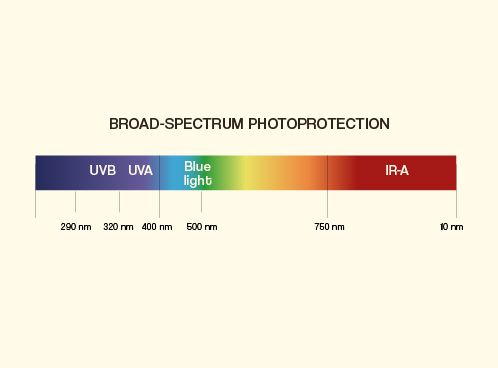
However, despite living in countries with many hours of sunshine each year, vitamin D deficiency is becoming increasingly common. The explanation has a lot to do with our current lifestyle habits… and with the skin: the organ that makes its synthesis possible thanks to UVB solar radiation.
In this article, we explain what it is, why vitamin D deficiency is so common today, and how to increase its levels safely and healthily.
But first of all, we need to stop seeing the skin as an isolated and external organ, and start understanding it as a piece deeply connected to the rest of the body’s systems. It is not just a protective organ; among its many functions, it is also the medium through which the sun helps our body produce vitamin D. Let us explain.
The skin, the sun and vitamin D: how do we produce it?
Let’s start with a curious fact: although it is “disguised” as a vitamin, it actually functions like a hormone. The body itself is able to synthesize it when exposed to sunlight between 10–11 a.m. and 4–5 p.m. (during spring, summer and autumn when the UVB spectrum is present in solar radiation). Through the VDR receptor, it regulates the expression of hundreds to around a thousand genes, modulating multiple biological pathways (immunity, inflammation, metabolism, muscle function and bone health).
This is why it is known as the sunshine vitamin.
When we receive enough UVB rays, a process begins in the skin that first produces the inactive form of vitamin D3. It is then through the liver and kidneys that the active form of vitamin D (calcitriol, 1,25(OH)₂D) is produced. It is not our only production pathway, but 90% of the vitamin D we need is synthesized through the skin.
Only 10% comes from the diet (or, in some cases, supplementation). That is why it is so important to expose ourselves sufficiently to sunlight, but to do so in a safe and healthy way. For this, we need to maintain healthy and balanced skin so that we can benefit from the sun without putting it at risk.

Vitamin D: what is it for and what are its benefits?
Vitamin D is essential for many biological functions. Among them, the most important are:
Bone health
Vitamin D is key to absorbing and properly using calcium and phosphorus. That is why it is essential for maintaining strong bones, dental health, preventing fractures, and ensuring proper muscle function.
Immune health
Immune cells have vitamin D receptors that are necessary for them to function correctly. It is essential so that defenses activate when needed and regulate themselves when they are not. For this reason, it is associated with a better response to infections, improved inflammatory balance, and a lower risk of excessive inflammatory responses and autoimmune and chronic diseases.
Muscles and nerves
It participates in muscle contraction, maintains strength, and improves nerve signal transmission. Therefore, adequate vitamin D levels are associated with less weakness, fewer falls, and better physical performance, especially in older adults.
The skin
The skin not only produces vitamin D: it also needs it. This vitamin improves cell renewal, barrier function (which protects us from external aggressions), and inflammatory balance. In addition, adequate levels may help improve conditions such as acne, rosacea, eczema, psoriasis or vitiligo. In general, sufficient vitamin D helps maintain healthier, more hydrated and radiant skin.
Well-being and mood
Its receptors are also present in the brain. That is why it has been linked to higher energy levels and improved mood balance.
Vitamin D deficiency: a more common problem than it seems
At this point, we know that vitamin D is an essential molecule for our holistic health. However, it is estimated that up to nearly 70% of the European population has insufficient vitamin D levels. We speak of insufficiency when levels are below 30 nmol/L.
- Deficiency: < 20 ng/mL (< 50 nmol/L)
- Insufficiency: 21–29 ng/mL (52.5–72.5 nmol/L)
- Adequate levels: ≥ 30 ng/mL (≥ 75 nmol/L)
Vitamin D insufficiency compromises all the processes mentioned above. That is why it is so important to take its concentration in our body seriously, even in Mediterranean countries such as Spain, Italy or Portugal, where sunlight is abundant.
Why is vitamin D deficiency so common? The main causes are:
- Lack of sun exposure: the main cause of deficiency
- Season of the year: reduced sun exposure in autumn and winter decreases skin synthesis
- Skin phototype: melanin protects the skin but makes vitamin D synthesis more difficult
- Age: over the years, the skin loses its ability to produce vitamin D
- Diet: few foods naturally provide sufficient vitamin D
Low vitamin D in women
Vitamin D deficiency is especially common in women due to hormonal factors, sun exposure habits, and a higher risk of osteoporosis. For this reason, particularly after menopause, maintaining adequate vitamin D levels is important for overall well-being and general health.

Low vitamin D vs. deficiency: is it the same?
Let’s clarify something important: having low vitamin D is not the same as having a clinical vitamin D deficiency.
When blood levels are low enough to affect vital functions, we speak of vitamin D deficiency (below 20 nmol/L). In these cases, there may be an increased risk of osteoporosis, fractures and immune-related problems, and it is important to receive appropriate medical guidance to manage it in a personalized way. In fact, there are studies linking serum vitamin D levels above 40 nmol/L with a substantial reduction in cancer risk and overall mortality.
On the other hand, as mentioned earlier, the vast majority of Europeans have low vitamin D levels. This does not mean that all of them will experience symptoms or associated diseases; it is possible to live without noticing immediate effects. However, in the long term, organs and systems will not function optimally.
In other words: having low vitamin D is not an immediately obvious problem, but it does represent a suboptimal state for health, and it is important to take care of it in order to maintain well-being and long-term balance.
How to increase vitamin D naturally and safely?
Conscious and balanced sun exposure
The most effective way to maintain optimal vitamin D levels is controlled sun exposure starting from 10–11 a.m. Between 10 and 20 minutes per day on the face, arms and legs, avoiding hours of intense radiation, is enough to generate up to 5,000 IU of vitamin D.
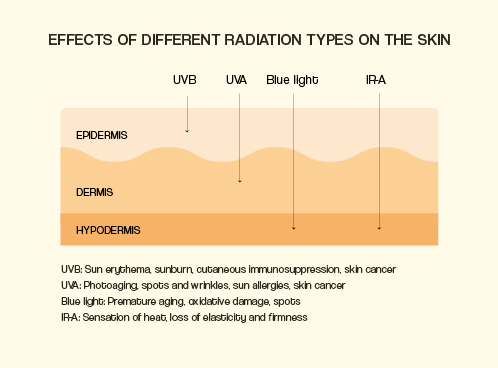
During this brief exposure, it is advisable not to use sunscreen as long as it is short and controlled exposure, since sunscreen blocks synthesis (especially when it contains physical blockers). After those 10–20 minutes, protection remains essential to prevent excessive radiation accumulation in the skin.
Diet: which foods contain vitamin D
Although sunlight is the main source, certain foods help maintain adequate levels:
- Fatty fish (salmon, mackerel, sardines)
- Eggs
- Fortified dairy products
- Certain animal oils (such as fish liver oil)
Diet is a complement, but it is not sufficient on its own.
Is it necessary to take vitamin D supplements?
Many people believe that taking a vitamin D supplement is necessary to prevent deficiency. However, supplementation is only recommended in specific cases and under medical supervision, for example, when there is a severe deficiency or when a person has a condition that prevents natural synthesis. In addition, cholesterol levels should be monitored, as chronic intake of exogenous vitamin D tends to increase them. Conversely, synthesizing vitamin D through sun exposure helps reduce them.
Our recommendation is not to obsess over vitamin D deficiency, but rather to adopt a healthy lifestyle tailored to your body’s specific needs (because every organism has its own!) in order to maintain healthy levels of the sunshine vitamin. And this brings us to an important conclusion.

The sun: a source of life and health
Nutrition, hydration, rest and exercise are key pillars for balance and overall well-being. But there is a fifth fundamental element to add: the sun.
We know it is extremely important to protect ourselves from radiation using healthy and respectful ingredients. But let’s not forget that the sun is also a source of life and balance: it regulates sleep and circadian rhythms, mood, improves immune functions… And it also gives us wonderful moments with ourselves and with our loved ones — and there is no greater source of health than that.
Freshly wants to tell you something! At Freshly we keep on learning every day how to make decisions that bring us closer to a better future. Sometimes we are called dreamers, but what we really have is an optimistic vision and clear path for reaching that tomorrow.
Would you like to join this adventure? If you're here, it's because you are a demanding person when it comes to taking care of your body and the planet. By subscribing to the newsletteryou will receive articles like this one to continue learning, as well as news and exclusive discounts. Are you up for it?